

Audio By Carbonatix
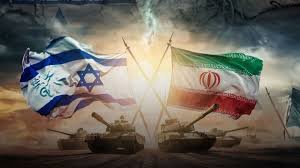
The Executive Secretary of Global Security for Africa Research and Good Governance (GLOSARGG), Francis Ahovi, has praised Ghana's neutral stance amid escalating tensions between Iran and Israel.
Mr. Ahovi, an expert in humanitarian investigations and global security, praised Ghana's foreign policy position as “wise and necessary,” arguing that the country’s abstention in key international decisions reflects a longstanding commitment to balanced diplomacy and non-alignment, a legacy dating back to the visionary leadership of Dr. Kwame Nkrumah.
“In an era of polarised alliances and ideological confrontations, Ghana gains nothing from choosing sides,” Mr. Ahovi stated. “But it gains everything from principled neutrality, a position that protects our national interest and elevates our moral standing on the global stage.”
Mr. Ahovi underscored that Ghana’s refusal to align with either bloc preserves critical diplomatic flexibility.
“It shields us from retaliatory threats, cyber, economic, or ideological, and sustains our multilateral relationships with both Western and Eastern powers, including BRICS and the Arab world,” he said.
Ghana's Foreign Ministry has already taken proactive steps to protect citizens from high-risk areas, a move Mr. Ahovi hailed as a "commendable humanitarian decision" that reflects the state’s unwavering duty of care.
“In contrast to governments that act too late, Ghana has demonstrated foresight, sending a strong message that every Ghanaian life matters, regardless of where they reside,” he noted.
Mr. Ahovi urged policymakers to uphold this position, advocating for peace, sustained diplomacy, and a citizen-first foreign policy.
He said, “In an increasingly divided world, Ghana’s voice, anchored in justice and neutrality, echoes far beyond its borders. It is a quiet power that calls the world to reason.”
The ongoing hostilities between Iran and Israel have intensified since Iran launched a direct missile and drone attack on Israeli territory in April, its first ever on such a scale, following an Israeli strike on the Iranian consulate in Damascus.
The crisis has since drawn in regional players and stoked fears of a broader Middle East war.
Israel, bolstered by strong support from the United States, the United Kingdom, and NATO allies, has responded with military force targeting Iranian-backed groups in Lebanon, Syria, and Iraq.
Iran, in turn, has relied on allies such as Russia, China, and militant factions like Hezbollah to bolster its influence.
With both sides deeply entrenched, civilian casualties are mounting, and the humanitarian situation is deteriorating, especially in border regions and flashpoints such as southern Lebanon and western Iraq.
Latest Stories
-
UTAG-UG threatens strike on October 19 over unpaid allowance
33 seconds -
Let The Constitution direct Chieftaincy to deliver “All Development Is Local”
1 hour -
John Jinapor outlines renewable energy, nuclear power priorities for 2027
2 hours -
Ghana explores centre of excellence for hearing, communication and cochlear implant care
3 hours -
Schizophrenia-related disorders lead mental health cases recorded in Ghana
3 hours -
Dutch authorities enlist Ghana in hunt for fugitive drug lord Bolle Jos
3 hours -
Ghana housing finance conference adopts communiqué to improve affordable housing access
8 hours -
Special Initiatives Minister urges Wa Technical Institute to enrol more girls as EU-backed solar training lab opens
8 hours -
In the matter of my first year at the Bar
8 hours -
ActionAid Ghana calls for an end to child marriage, greater investment in girls’ rights
8 hours -
Newsfile to tackle World Cup visa scandal, beach demolitions, education strikes, BRICS bid
9 hours -
UK-Ghana Trade & Investment Summit: Trade Resource Centre to help businesses maximise UK-Ghana trade opportunities
9 hours -
Embassy of Denmark celebrates World Maritime Day
9 hours -
Linking LEAP to productive inclusion could cut extreme poverty by 2030 – UNICEF
10 hours -
Trade Ministry backs use of creative arts to rehabilitate prison inmates
10 hours