

Audio By Carbonatix
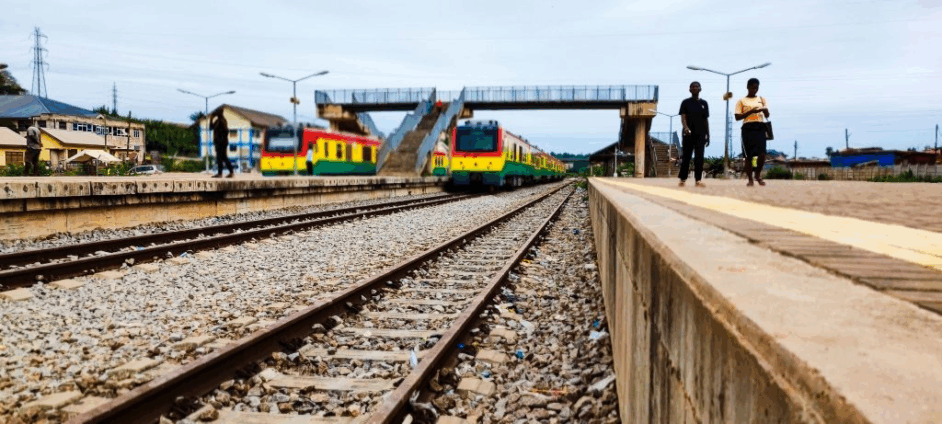
Ghana’s operational rail network has declined significantly over the past six decades, falling from 947 kilometres in 1960 to just 160 kilometres in 2020, the World Bank has disclosed.
The World Bank Division Director for Ghana, Liberia and Sierra Leone, Robert R. Taliercio, said the decline has contributed to weaknesses in Ghana’s transport system and limited the country’s ability to move people and goods efficiently.
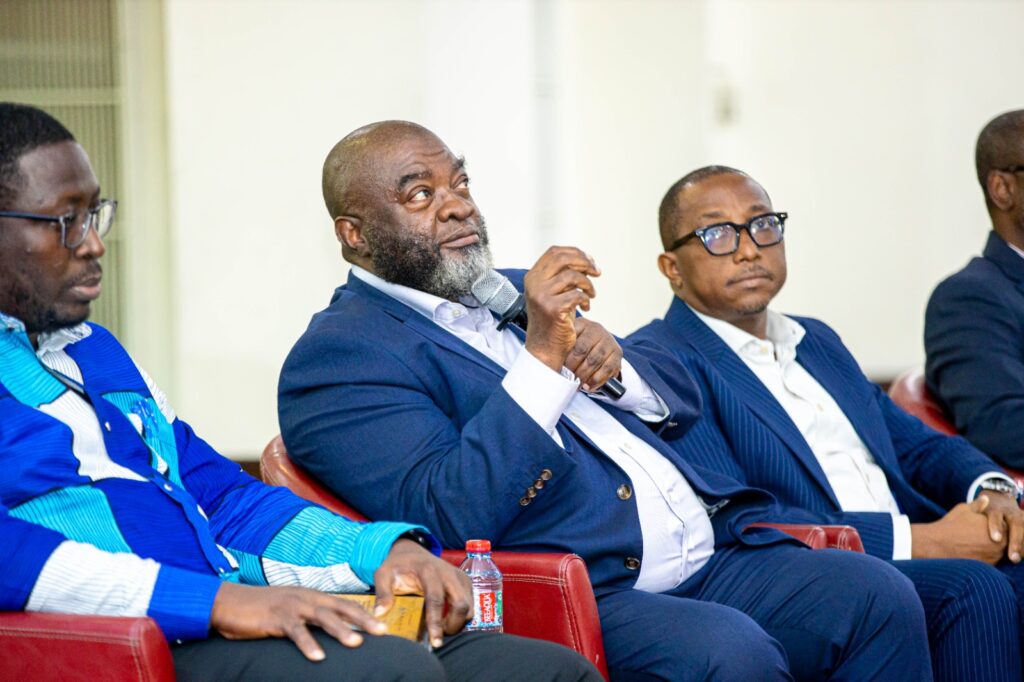
Speaking at the launch of the World Bank’s Tenth Ghana Economic Update in Accra, Mr Taliercio said the rail sector was operating far below its potential and required urgent attention as Ghana seeks to improve connectivity and competitiveness.
“The rail network has effectively collapsed from 947 kilometres of operational rail in 1960 to just 160 in 2020, with population access dropping from nearly 30 percent to less than 1.0 percent,” he said.
Mr Taliercio said the decline highlights the need for Ghana to pursue a coordinated strategy to revitalise the transport sector, particularly rail infrastructure that can support the movement of freight.
He said the World Bank has identified freight-led rail revitalisation along the western and eastern corridors as one of six priority areas for transforming Ghana’s transport sector.
“This is not just an infrastructure story. It’s a growth story, competitiveness story, and a job story,” he said.
The other priorities include operationalising the Road Maintenance Trust Fund, developing a unified national transport sector strategy, treating road safety as a fiscal and public health emergency, adopting climate-resilient infrastructure standards and extending Ghana’s Digital Single Window to Takoradi and inland terminals.
Mr Taliercio said rebuilding Ghana’s transport infrastructure would be critical to improving economic competitiveness, creating jobs and connecting communities and businesses to markets.
He stressed that infrastructure investment must also be supported by stronger institutional coordination, effective maintenance financing and improved governance.
“Building roads without maintaining them simply accelerates the cycle of degradation that we are all trying to break,” Mr Taliercio said.
The World Bank is supporting Ghana’s transport infrastructure agenda through the $500 million Ghana Market Access and Connectivity Project, which includes funding to rehabilitate about 1,050 kilometres of feeder roads* under performance-based maintenance contracts.
Latest Stories
-
Gold edges lower with focus on Fed minutes, rate path clues
41 minutes -
Oil prices rise as storms and air strikes threaten supply
50 minutes -
Nigeria nears 2,000 repatriations from South Africa after latest evacuation flight
59 minutes -
World Bank maintains Ghana’s growth rate forecast at 4.8% in 2026
2 hours -
Cedi was worst African currency in quarter 2, 2026 – World Bank
2 hours -
AI gains can lift three times as many people out of poverty in Ghana – World Bank
3 hours -
Scammers target ECG customers with fake meter sales and MoMo payment calls
4 hours -
We did not take security issues seriously – Abanga Fusani reflects on NPP’s 2024 election loss
4 hours -
Nigeria’s Dangote refinery aims to draw more retail investors than Aramco IPO, CEO says
5 hours -
Banker in court for allegedly stealing GH¢1 million
5 hours -
Police arrest suspect over jewellery theft during fire outbreak
5 hours -
EOCO returns Hanan’s £6,700, GH¢2,750 and devices after defence challenge
5 hours -
Opplift Youth Entrepreneurs Summit 2026 equips entrepreneurs with skills, mentorship and support
5 hours -
Rival clubs want range of punishments for Man City
6 hours -
Tear gas in Paris and Marseille as school protests grow across France
6 hours