


Audio By Carbonatix
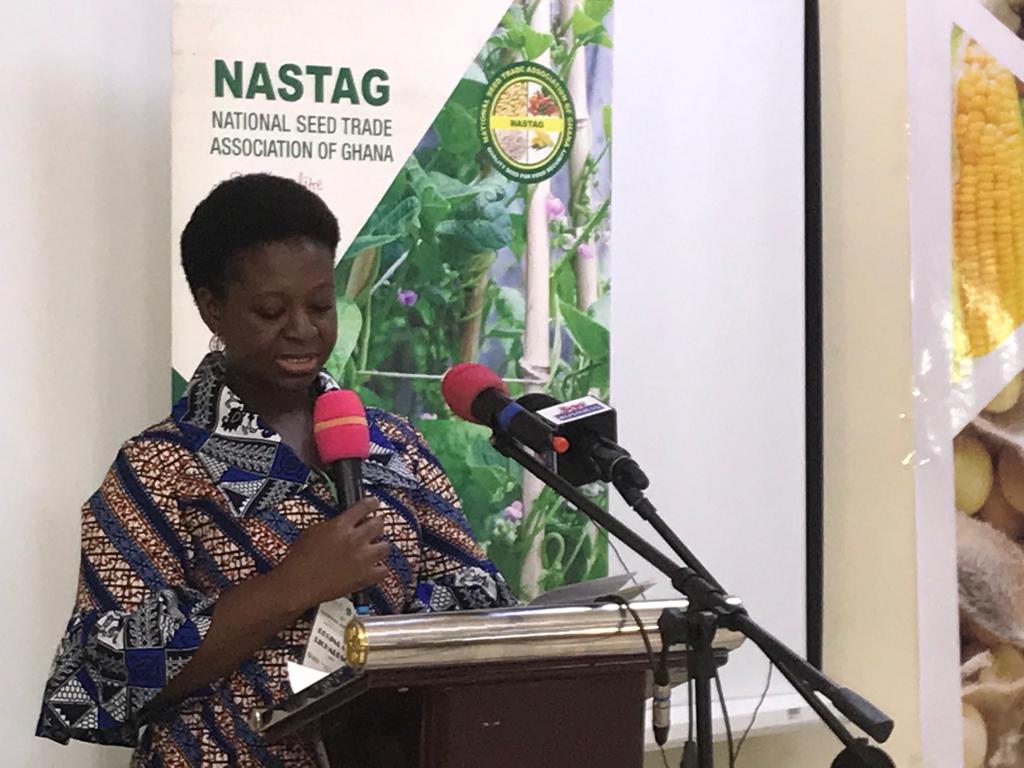
Agricultural sector stakeholders from across the country have begun a four-day meeting in Accra to develop a revised Seed Sector Strategy and Investment Plan to help boost the country’s food security.
Officials from the Agriculture Ministry, the National Seed Trade Association of Ghana (NASTAG), The African Seed Access Index (TASAI), and other seed sector stakeholders are meeting from November 7, for the 3rd National Seed Forum.
The Seed Sector Strategy and Investment Plan is expected to strengthen Ghana’s seed industry by promoting the adoption and utilisation of certified seed by the country’s farmers.

Given the current economic crisis in Ghana, which is affecting the lack of fertilizer and seed inputs for farmers, strengthening the seed sector and increasing the use of improved seeds is expected to boost crop yields, and transform the food system that feeds the country, a statement from The Alliance for the Green Revolution in Africa (AGRA), which is spearheading the initiative said.
The four-day workshop follows a successful deployment of the Seed Systems Analysis Tool (SeedSAT), to analyze the functioning of eight key thematic areas of the national seed system and make prioritized recommendations for interventions to support a robust seed sector.
Under the theme, “Facilitating the Seed Industry through Knowledge, Collaboration and Strategic Planning”, the delegates at the National Seed Forum will revise the National Seed Plan (2015) and incorporate the recommendations from the SeedSAT exercise.
The workshop will also allow industry players to network and receive updates on pertinent seed sector issues and strengthened business linkages.
The statement by Rebecca Weaver of AGRA said AGRA is working on this effort with the support of the U.S. Government through the U.S. Agency for International Development (USAID), and the Bill & Melinda Gates Foundation (BMGF), under the Partnership for Inclusive Agricultural Transformation in Africa (PIATA) umbrella.
It said Ghana’s seed sector has made tremendous growth in the past few years, with the development and availability of improved and locally adapted seed varieties.
However, the adoption is still marginal, with just about 30% of the farmers using the improved varieties.
The slow pace of adoption is linked to inadequate compliance with seed legislation by various key seed value chain operators, and the disregard of the rules and procedures of the Seed Certification and Standard Regulations.
Latest Stories
-
Messi completes purchase of second Spanish club
4 minutes -
Government must engage horticulturists on tomato crisis – GhIH
7 minutes -
King Promise’s ‘Can’t Tame Us’ becomes official Chelsea anthem
12 minutes -
Afenyo-Markin demands Baffour Awuah’s release from EOCO’s custody, end to alleged political intimidation
16 minutes -
Rapper Rick Ross arrested on domestic violence charges
26 minutes -
Minority demands security review of Ghana-Colombia visa waiver and port deals
36 minutes -
Pursue drug kingpins, not persecute political opponents – Afenyo-Markin tells EOCO
48 minutes -
‘I am disappointed’ – Yaw Ampofo Ankrah breaks silence after NSA suspension
55 minutes -
UK in talks with EU partners to release strategic fuel reserves if needed, BBC understands
57 minutes -
I don’t think EOCO has legitimate basis to investigate SIC transaction – Atta Akyea
59 minutes -
Douglas Boateng receives IMM Institute Supply Chain Lifetime Achievement Award
1 hour -
From small beginnings in Navrongo to Doctor of Pharmacy: Theobald Kambonga’s scholarship story
1 hour -
Pentecost University to host international sustainability conference
2 hours -
Ampofo Ankrah did not collect World Cup visa money – Lawyer
2 hours -
Baffour Awuah to spend night in EOCO custody – Atta Akyea
2 hours