

Audio By Carbonatix
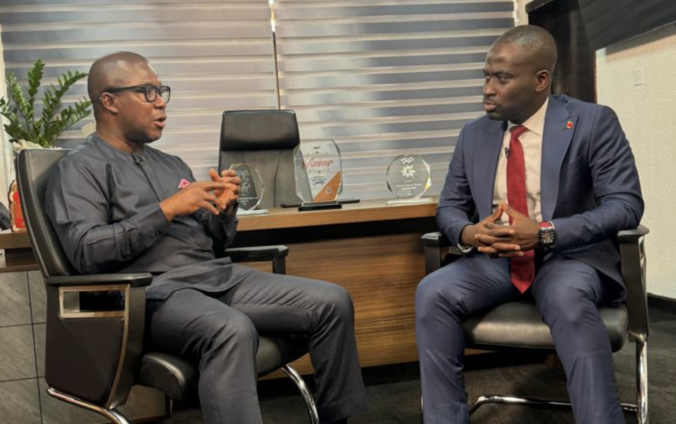
Director-General of the Social Security and National Insurance Trust (SSNIT), Kwasi Afreh Biney, has cautioned against any hasty move to increase Ghana’s retirement age.
He argues that the issue goes far beyond rising life expectancy.
Speaking on Joy News’ PM Express Business Edition recently, Mr Biney acknowledged that demographic trends have changed significantly, with many Ghanaians living longer and remaining active well beyond the current retirement age of 60.
“I agree that the demographic numbers have shifted rapidly. A lot more people today in Ghana are living longer, are much stronger even after 60, I agree,” he said.
However, he stressed that longevity alone should not determine retirement policy.
“But a decision to extend retirement goes beyond just that. You need to consider factors like your employment rate, unemployment numbers, and availability of jobs, so we all need to go and sit together as stakeholders, brainstorm, deliberate, and ultimately come to the point where we all make a decision rather than an individual institution like SSNIT deciding,” he stated.
His comments came in response to suggestions that workers should be allowed to remain employed for longer periods, especially as many retirees return to the private sector to continue working and build additional savings.
Mr Biney maintained that changing the retirement age would have wide-ranging implications for the labour market and should not be viewed solely from a pension perspective.
According to him, extending the retirement age would naturally improve the pension scheme’s finances because contributors would pay into the system for longer while drawing benefits later.
“Because, of course, if you extend the pension years from, let’s say, 60 now to 65 or 67, what it practically means is that my payout now will reduce whilst more contributions will come in,” he explained.
Yet he warned that the potential gains for pension funds must be weighed against the possible impact on employment opportunities for younger people.
“How do we just oppose that against probably creating another backlog of five to seven years on unemployed youth who could have come into the employment bracket?” he asked.
The SSNIT Director-General said the debate requires a careful assessment of competing national priorities rather than a quick policy decision.
“So we need all of us to sit down, look at the numbers, look at the various alternatives, the opportunity cost of taking a particular decision against the other, and then we take a much more comprehensive decision,” he said.
Mr Biney’s intervention adds a fresh dimension to discussions on retirement reform, highlighting the need to balance the realities of longer life expectancy with concerns about unemployment and access to jobs for younger Ghanaians.
While acknowledging the changing demographics, he insisted that any decision on retirement age must emerge from broad national consultations and a thorough evaluation of its economic and social consequences.
Latest Stories
-
UTAG-UG threatens strike on October 19 over unpaid allowance
36 seconds -
Let The Constitution direct Chieftaincy to deliver “All Development Is Local”
1 hour -
John Jinapor outlines renewable energy, nuclear power priorities for 2027
2 hours -
Ghana explores centre of excellence for hearing, communication and cochlear implant care
3 hours -
Schizophrenia-related disorders lead mental health cases recorded in Ghana
3 hours -
Dutch authorities enlist Ghana in hunt for fugitive drug lord Bolle Jos
3 hours -
Ghana housing finance conference adopts communiqué to improve affordable housing access
8 hours -
Special Initiatives Minister urges Wa Technical Institute to enrol more girls as EU-backed solar training lab opens
8 hours -
In the matter of my first year at the Bar
8 hours -
ActionAid Ghana calls for an end to child marriage, greater investment in girls’ rights
8 hours -
Newsfile to tackle World Cup visa scandal, beach demolitions, education strikes, BRICS bid
9 hours -
UK-Ghana Trade & Investment Summit: Trade Resource Centre to help businesses maximise UK-Ghana trade opportunities
9 hours -
Embassy of Denmark celebrates World Maritime Day
9 hours -
Linking LEAP to productive inclusion could cut extreme poverty by 2030 – UNICEF
10 hours -
Trade Ministry backs use of creative arts to rehabilitate prison inmates
10 hours