

Audio By Carbonatix
The government has secured a US$300 million World Bank facility to support the transformation of Ghana’s secondary education and Technical and Vocational Education and Training (TVET) sector.
The funding, secured under the Secondary Education Transformation for Access, Relevant and Results for Jobs (STAR-J) Project, is expected to expand secondary education and TVET infrastructure, improve the quality and relevance of training, and support efforts to end the double-track system by 2027.
Speaking on behalf of the Minister of Education at a TVET stakeholders’ engagement dialogue, Technical Advisor to the Minister, Prof. George K.T. Oduro, said the government is also providing US$31 million in counterpart funding, bringing the total investment under the programme to US$331 million.
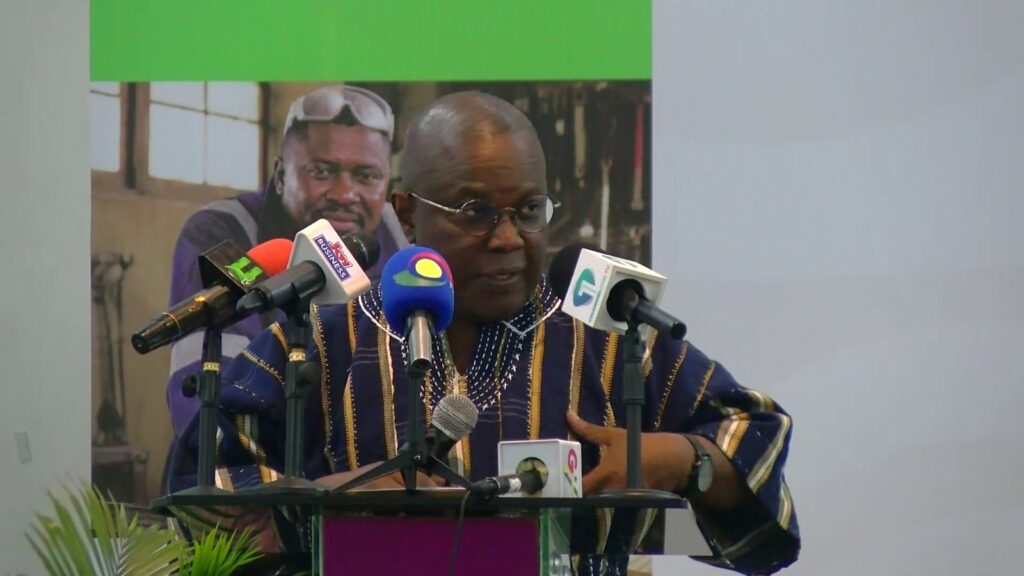
“STAR-J will expand secondary education and TVET infrastructure, improve quality, strengthen relevance and support the government’s efforts to end the double-track system by 2027.”
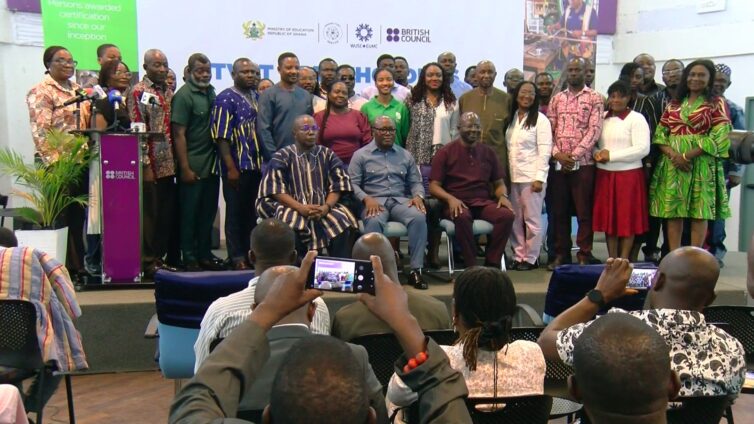
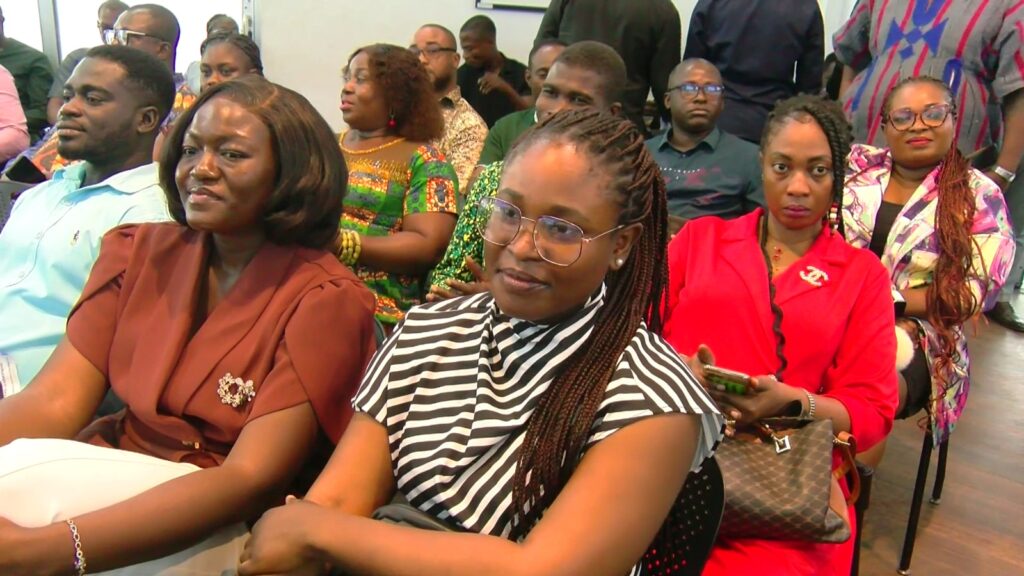
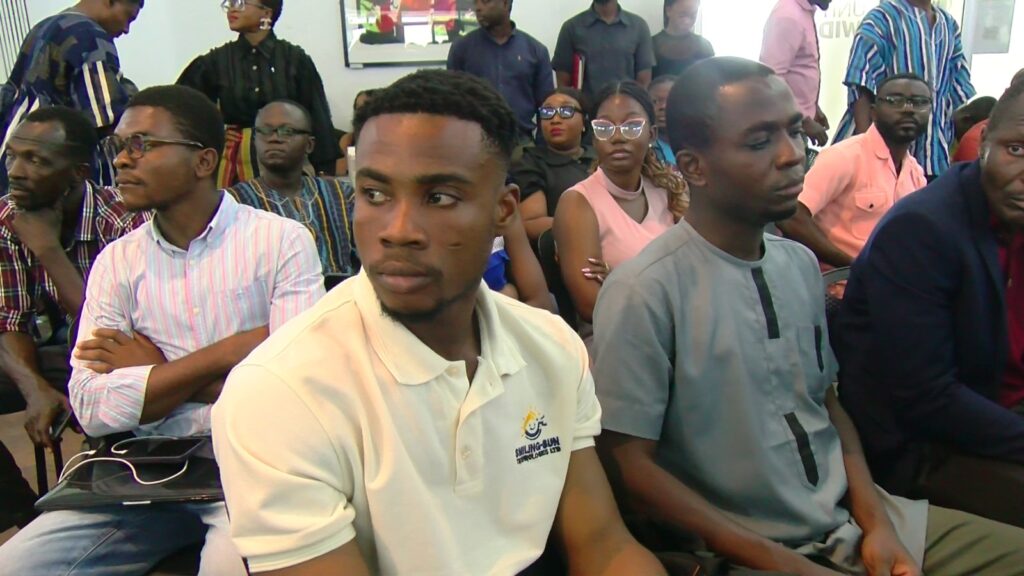
The engagement, held under the theme, “Partnership for TVET Transformation: The Role of Industry in Workforce Development in Ghana,” brought together government, industry and other stakeholders to deliberate on ways to align technical and vocational training with the needs of the economy.
Director-General of the Ghana TVET Service, Engr. Dr. Eric Kofi Adzroe, said the government is working to bridge the gap between the skills produced locally and those required in more advanced economies.
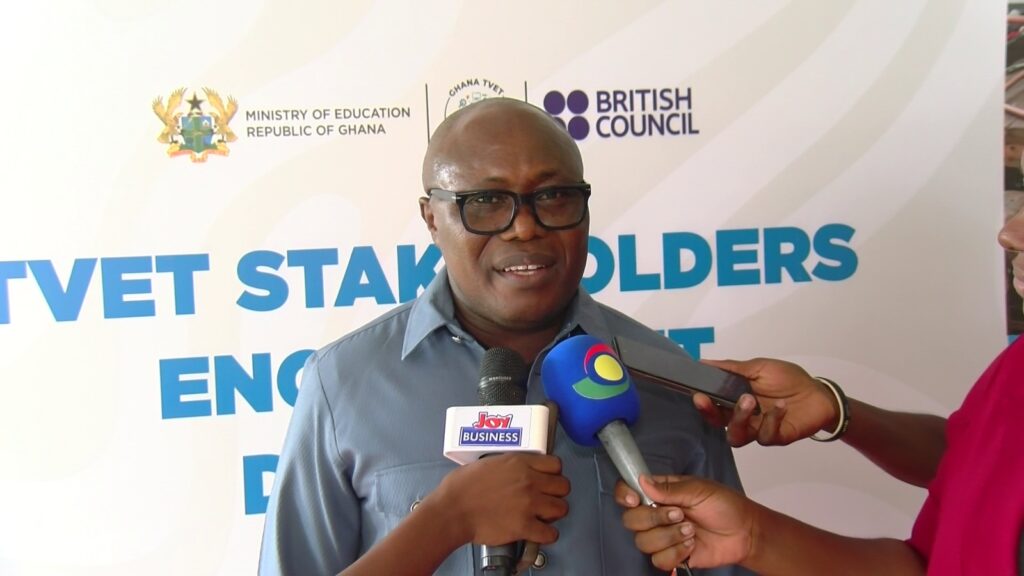
He said Ghana must strengthen its systems while learning from countries that have successfully developed their TVET sectors.
“Let’s just take it slowly. Let’s learn lessons from the developed world—how they are doing it, what they have done so far.”
He also disclosed that the government is establishing a TVET Fund to help address gaps in equipment and infrastructure and strengthen the connection between training institutions and industry.
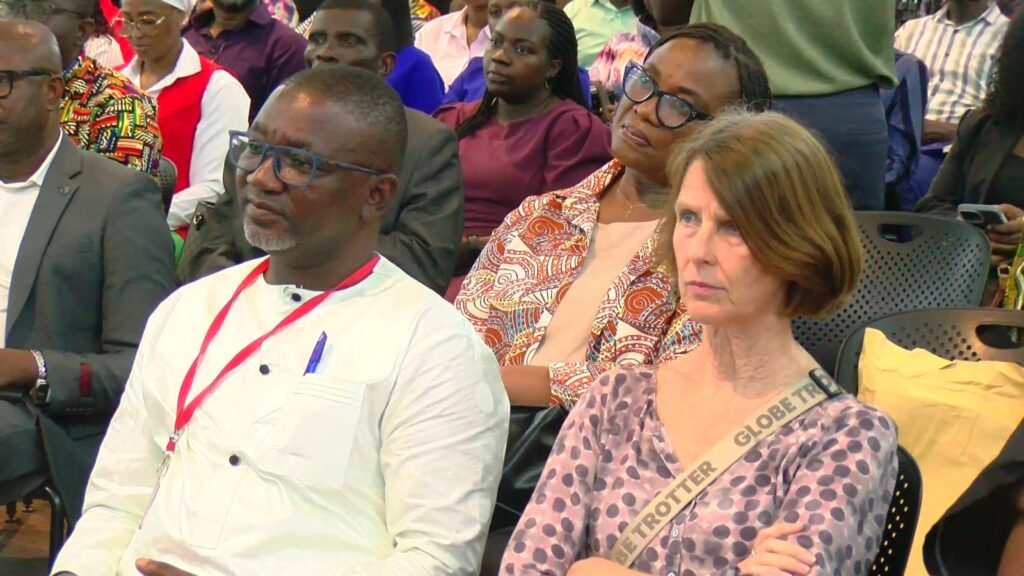
Meanwhile, Chairman of the National Development Planning Commission (NDPC), Dr. Nii Moi Thompson, called for greater use of digital platforms to create employment opportunities for Ghana’s youth.
He cited data showing that Ghana ranks poorly in the use of ICT for business and work, with only 28.5 percent of the population using ICT for such purposes.
According to him, while the figures highlight challenges in digital productivity, they also point to opportunities that policymakers can leverage to create jobs and develop relevant skills.
“These are both bad and good statistics. Bad because they show that we spend way too much time on non-productive social media activities, but they are good because they point us to areas of potential growth that must attract the attention of policymakers.”
Dr. Thompson further expressed concern over the growing desire among young Ghanaians to seek opportunities abroad.
He cited a recent Afrobarometer survey indicating that 72 per cent of Ghanaian youth want to immigrate, with more than half citing the search for jobs as a major reason.
“We can no longer just grow our economy. Therefore, we must grow hope, and growing hope means creating employment opportunities.”
He urged policymakers to create opportunities that will give young people a reason to remain in Ghana and contribute to the country’s development.
The Ghana TVET Service says it is also placing greater emphasis on soft skills, attitudes and work ethics as part of efforts to make TVET graduates more employable and responsive to industry needs.
The Service says stronger collaboration with industry will be critical to ensuring that training programmes reflect the changing demands of the labour market and equip young people with the practical skills needed to secure sustainable employment.
Latest Stories
-
Trump says he is considering firing US ambassador to Greece
3 hours -
Man City bananas ‘brought fun back’, says Varadi
3 hours -
Meta releases Muse Wonder AI models to challenge Anthropic and OpenAI
3 hours -
Daily Insight for CEOs: The CEO as Chief Decision Maker
3 hours -
Burnham had formal meeting with Man City chair while mayor
3 hours -
Is Ghana producing too many lawyers? What is the best lawyer-to-citizen ratio?
3 hours -
NDC sinking Ghana’s democracy with Emelia Agbenyo’s appointment – Miracles Aboagye
3 hours -
Seedorf back in football as Corinthians head coach
4 hours -
Hincapié and Zubimendi injured in post-match training session
4 hours -
Fridges in French supermarkets hit by cyberattack
4 hours -
Qantas flight grounded after bedbug outbreak
4 hours -
Reality Zone with Vicky Wireko: International Day of the Girl, shaping today’s girl for tomorrow’s future – ZONTA Clubs lead the way
4 hours -
Global health must be led by countries, not designed for them – Mintah Akandoh
5 hours -
Mahama honoured at 2026 World Health Summit in Berlin for global health leadership
5 hours -
Breast cancer is not a death sentence – Besease Kontire Obaapanin, Magmina Foundation lead awareness campaign
5 hours