

Audio By Carbonatix
The sound of rush hour in Zhuhai on China's southern coast has been replaced by howling winds and sheets of rain.
Branches from falling trees and what looked like pieces of metal from the edge of a building flew along empty roads on Wednesday as typhoon Ragasa bore down.
Police vehicles have been patrolling the streets with megaphones, urging people to stay inside - but it is difficult to hear them above gusts of 100mph (160km/h) winds. Still, the thundering skies and a drenched Zhuhai are enough of a warning – apart from an occasional cyclist, determined to get to work, most people heeded the advice, bringing this city of almost three million people to a standstill.
The strongest storm the world has seen this year, Ragasa has been making its way across the South China Sea after battering the Philippines and Taiwan. At least 15 people have died in eastern Taiwan after a mountain lake burst its banks, officials have said.
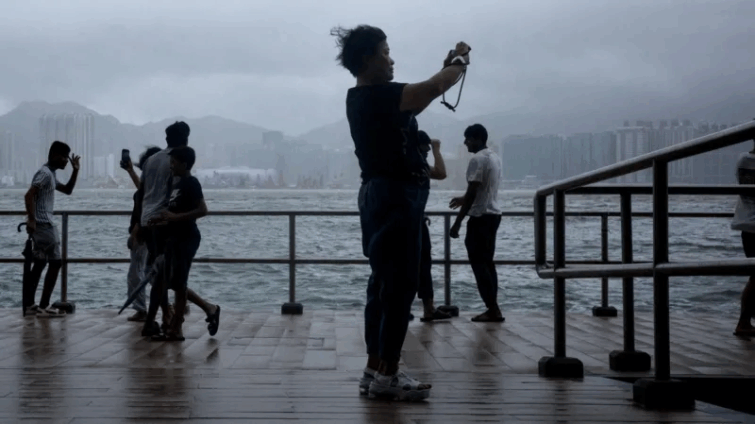
As the storm brushed past Hong Kong, steep waves crashed into land, inundating coastal areas, alongside powerful winds and rain, leaving more than 60 people injured.
It made landfall in China this evening at17:00 local time (09:00 GMT). By then nearly two million people in densely populated Guangdong province, home to Zhuhai, had already been evacuated. Officials have also issued a red alert for high tides and coastal surges.
As the eye of the storm barrelled closed to the mainland, the rain lashed the city's tall buildings. The wind, already strong, hit harder in waves and blasts, which made standing upright almost impossible. Even watching from inside, windows in our new hotel creaked under the strain.
This hotel is also hosting some of those who have been evacuated from low-lying areas across this province. Families mill around, with the few possessions they were able to grab for the night, while their children dance through the hallways – perhaps just happy to have the day off school.
Zhuhai is a popular tourist spot, with golf resorts and theme parks. Perched on a delta where the Pearl River meets the South China Sea, it is used to typhoons, and it was prepared for this one.
Householders have been taping up their windows, as businesses had sandbags delivered to put at their doorways to prevent coastal surges seeping into their properties.
There has been no panic, just resignation. We were told that neighbourhood watch officers had gone door to door checking on residents and local shops to ensure they complied with evacuation orders. We only found a disgruntled few who did not want to close their restaurant too early and lose more hours of business.
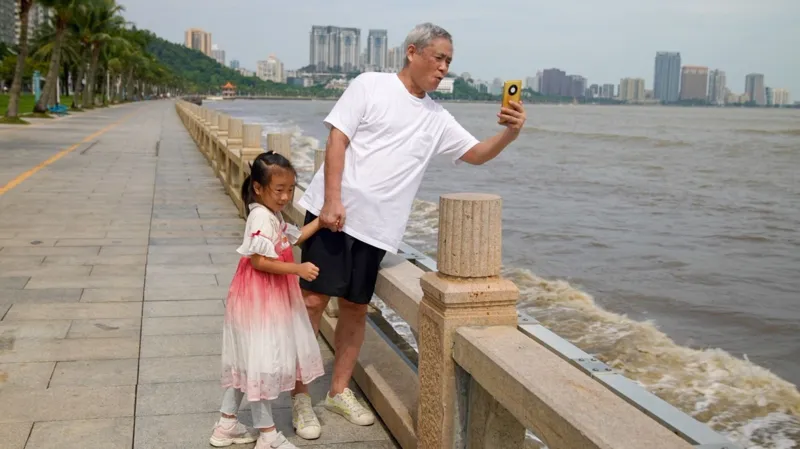
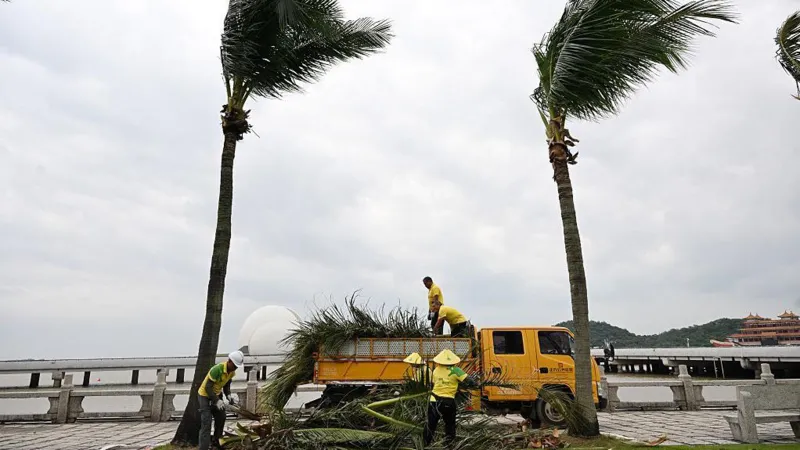
There are hundreds of evacuation centres across the city. Police patrols had also started early, with officers posted on street corners and beach areas to stop curious locals getting too close to the waves. Local workers were quickly dispatched to cut down stray branches from trees.
Authorities in China have had plenty of practice at preparing for disasters. They take the warnings very seriously. They fear criticism, which has happened in previous natural disasters, that they did not do enough to keep people safe.
Now, the warnings come days before the typhoon closes in.
Over the weekend, even before Ragasa had hit the Philippines, the weather department in Guangdong - a hub for Chinese manufacturing - began telling people in the province to prepare for a "catastrophic disaster". Chinese state media described this as a rare warning.
Officials know there will be more like this. Weather experts in the country have previously sounded the alarm that typhoons have been getting more intense in China.
But it's not just typhoons.
This has been a year of extreme weather for the country – heatwaves, storms, droughts, floods and ruined harvests.
Typhoon Ragasa has been yet another test of China's preparedness. And it is not over yet. There are still alerts for heavy rain in the next few days and warnings of landslides in mountainous areas.
Latest Stories
-
Asha Bhosle: The sound of Bollywood dies aged 92
5 minutes -
Fire destroys bedroom in Tantra Hill apartment
7 minutes -
Safe city: Unnoticeable protection
14 minutes -
North East Regional Police Commander raises alarm over burning of checkpoints
23 minutes -
Free Primary Healthcare Programme set for take-off — Health Ministry confirms readiness
39 minutes -
3 co-wives, 5 children perish in canoe disaster – Maritime Authority insists life jackets use mandatory for all water transport
1 hour -
Iran war lands ‘triple blow’ to flood-ravaged Sri Lankans
2 hours -
Gunmen kill at least 11 people at Afghanistan picnic spot
2 hours -
Woman, 25, in court for stealing baby at Bogoso
2 hours -
Trump unveils giant gold-accented victory arch design for US capital
2 hours -
We spoke to the man making viral Lego-style AI videos for Iran. Experts say it’s powerful propaganda
2 hours -
Hungarians vote in big numbers on whether to end Orbán rule and elect rival
2 hours -
At least 30 feared dead in crush at Haitian tourist site
2 hours -
Boxing: Abdul Ahmed wins WBA Africa Cruiserwight title after dispatching Nigeria’s Eradeye
3 hours -
Nearly 2,000 displaced, schools damaged as windstorm wreaks havoc in Gushegu
3 hours