

Audio By Carbonatix
The tragedy of modern medicine is that while technology has advanced to perform life-saving transplants, thousands die every year not from lack of expertise but from lack of supply. Kidney disease remains one of the world’s silent killers. Dialysis is not a cure. It is an exhausting and expensive bridge to nowhere for many patients. The real cure is a transplant. Yet in most countries, the waiting list has become a euphemism for waiting to die.
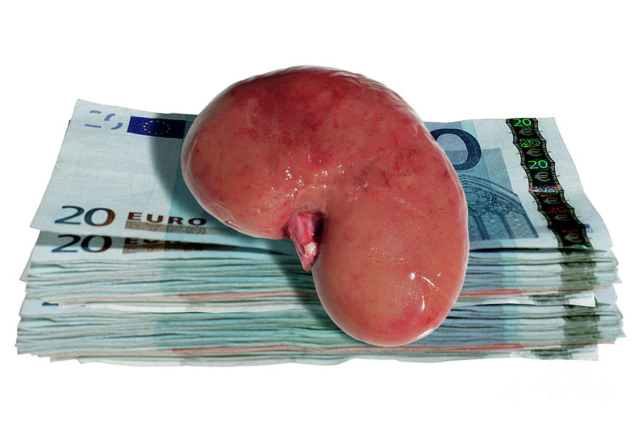
Iran is the only country that has chosen a pragmatic solution: a regulated kidney market. For over three decades, Iran has legalized compensation for living kidney donors. The result is simple and undeniable: Iran has no waiting list for kidney transplants. Donors receive a fair payment, partially state-subsidized and partially negotiated, while patients gain access to a life-saving organ without years of suffering. Unlike the black markets that thrive in secrecy and exploitation, Iran’s model brings sunlight, oversight and fairness into the process.
Critics argue that this system exploits the poor. But the current global reality is even worse. The poor are already exploited through illegal organ trafficking rings. Legalization, regulation and transparency are not the problem. They are the solution. A lawful framework ensures medical safety, equitable treatment and clear benefits for both donor and recipient.
There is also an economic case. Dialysis costs governments and insurers billions annually. A transplant, even with donor compensation, is far cheaper in the long run. Multiply that across thousands of patients and the fiscal benefits are staggering. Legalized kidney markets are not just humanitarian policy. They are sound economic policy.
This debate is urgent for Ghana. Many Ghanaians are dying of kidney disease because dialysis facilities are very few and painfully expensive. Families are drained emotionally and financially, and patients often cannot even access treatment consistently. For them, the waiting list is not hope. It is a slow death sentence.
The moral hesitation of policymakers abroad has condemned countless patients to needless deaths. It is time for courage, not timidity. Countries should study Iran’s model, not to copy it blindly but to adapt its principles of regulated compensation, oversight and donor protection. If more nations followed suit, the global shortage would end, the black market would wither and lives would be saved at scale.
We must face the truth. Kidneys will always be needed, and people will always be willing to give them. The question is whether we allow this to remain an underground trade that enriches traffickers, or whether we bring it into the light where it can save lives responsibly. Iran has shown the way. Ghana and the rest of the world must now find the courage to follow.
Latest Stories
-
Government launches rCOMSDEP to promote responsible mining in Western Region
26 minutes -
Foreign Affairs Ministry procures 20 pickups to improve passport services
31 minutes -
Oil prices retreat as investors weigh supply outlook, Middle East tensions
39 minutes -
Mahama Ayariga highlights Jimi reclamation project as effort to tackle flooding
45 minutes -
Ayine pushes duty-lawyer scheme to protect suspects at police stations
52 minutes -
Fire at GRIDCo’s Mallam Substation cuts power to parts of Accra
57 minutes -
Stephen Amoah criticises 20% digital services tax as excessive
58 minutes -
Ghana secures $3.5bn investment commitments to revive oil and gas sector – Jinapor
1 hour -
Court to hear Wontumi’s bail application today
1 hour -
DPC flags six companies for data protection breaches
1 hour -
Chief Justice appointment from outside Supreme Court possible but unlikely – Bentil
1 hour -
NEDCo replaces faulty transformer at Saasigli
1 hour -
Dr Seidu Jasaw urges climate financiers to align funding with farmers’ planting seasons
1 hour -
Bank of Ghana urges public to uphold dignity of local currency
1 hour -
Global Chairman of World Assemblies of God Fellowship lauds Mahama’s sterling leadership
1 hour