

Audio By Carbonatix
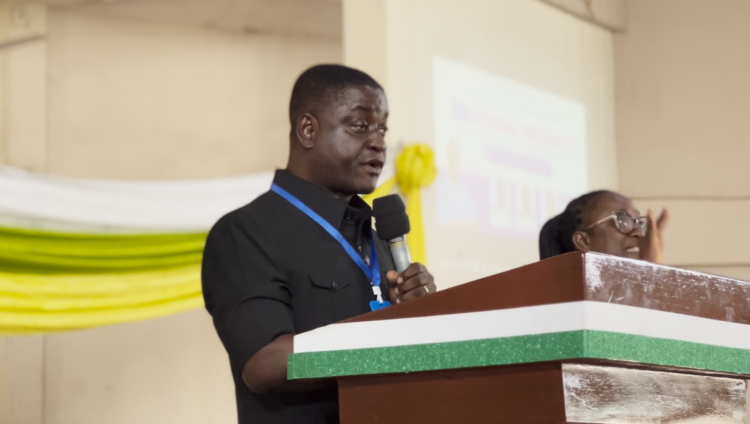
Artificial Intelligence (AI) Coordinator at the Kwame Nkrumah University of Science and Technology (KNUST), has called for the structured and supervised adoption of artificial intelligence in teacher education to ensure technology strengthens, rather than dictates, pedagogy.
Prof Eric Appau Asante said the rapid adoption of AI tools by students was already outpacing the preparedness of educational institutions, making it necessary for schools and teacher-training institutions to develop deliberate approaches to guide their use.
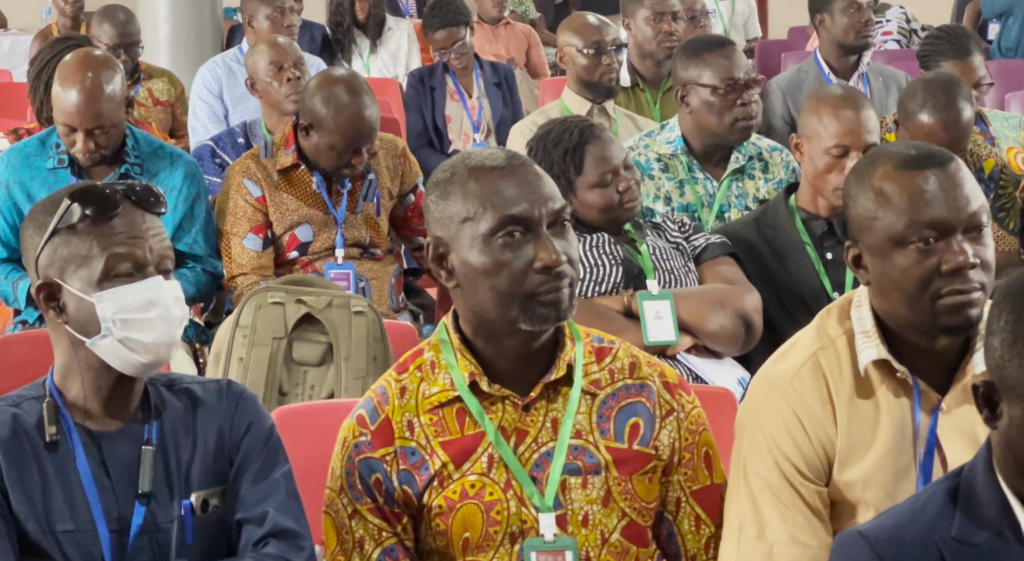
Prof. Appau Asante was speaking at the National Conference of Principals of Colleges of Education (PRINCOF), held under the theme, “Transforming Research-Based Teacher Education in Ghana in the Era of Artificial Intelligence.”
Addressing participants on “Transforming Research-Based Teacher Education in Ghana in the Era of Artificial Intelligence: Opportunities, Challenges and the Future of Teacher Preparation in Ghana,” he said institutions could no longer treat AI adoption as an option.
He stressed that the integration of AI into teacher education must be guided by Ghana’s National Teachers’ Standards and the National Teacher Education Curriculum Framework.
“The teacher that we have already said Ghana wants to produce, how can AI strengthen that teacher? Those in school, those we want to produce, the destination is very important,” he said.
“If we introduce AI without reference to the National Teachers’ Standards and the National Teacher Education Curriculum Framework, I think we risk allowing technology to drive pedagogy.”
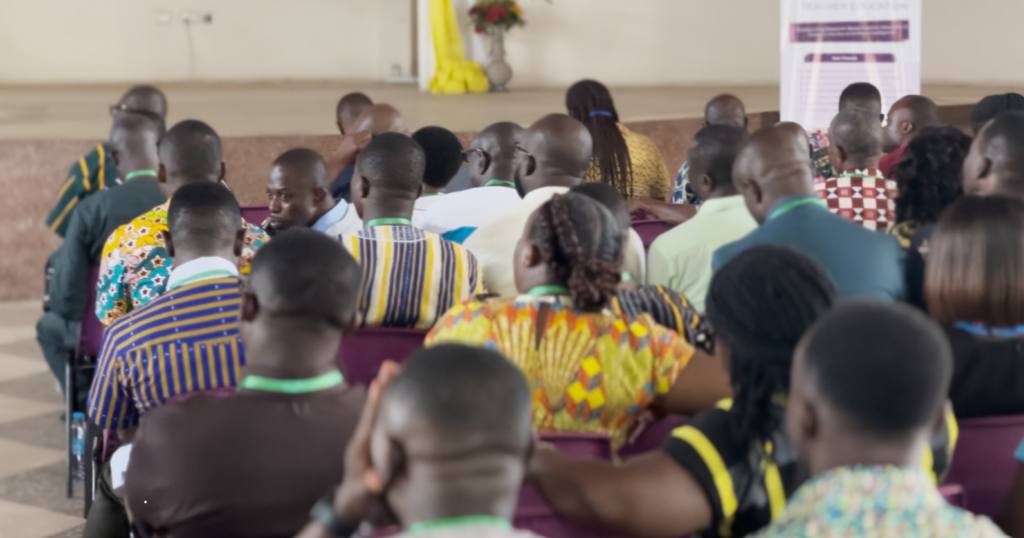
Prof. Appau Asante said the choice facing educational institutions was no longer whether to adopt AI, but whether to allow its use to remain unstructured or deliberately integrate it into teaching and learning.
“AI adoption amongst our students is already ahead of our institutional preparedness, and therefore our choice is not between AI or not, but between seeing an improvised, invisible AI use in the student, or we going for structured, supervised, research-informed use of AI,” he said.
He envisaged a new relationship between teachers, students and AI, where teachers would move beyond simply transmitting information to becoming designers, evaluators and mentors in the learning process.
To achieve this, he called for clear institutional policies on AI use, stressing that such policies must be aligned with existing national education frameworks.
“Every institution needs an AI policy. It must align with the frameworks we have talked about,” he said.
Prof. Appau Asante also urged institutions to integrate AI competencies into their curricula instead of relying on isolated training programmes.
“We must map AI competencies into the components and provisions of the curriculum. Don’t simply organise a one-day AI workshop and check the box, but it should be an intentional capacity-building venture,” he said.
He further identified infrastructure as a critical component of effective AI adoption, calling on educational institutions to provide students and teachers with appropriate access to AI tools.
“Let’s provide institutional accounts, explore low-bandwidth options that can support access and, most crucially, I’m glad principals are here. Let’s think of putting AI uptake into our budget,” he said.
The conference brought together principals and stakeholders in teacher education to examine how research-based teacher preparation can respond to the opportunities and challenges presented by the growing use of artificial intelligence.
Latest Stories
-
Zimbabwean author denies using AI to write award-winning story
17 minutes -
GTEC’s letter directing public universities to reopen by October 16 is unprofessional – GAUA
17 minutes -
Suspect in viral video assaulting wife jailed for 3 months
18 minutes -
GAUA insists strike will end only after Fair Wages addresses market premium issue
18 minutes -
Kpemka seeks compensation as he sues BOST over alleged unlawful termination
21 minutes -
GES asks applicants to check status of 2026 promotion applications on October 15
45 minutes -
Kobe Boujee joins Olympics.com team for Dakar 2026 Youth Olympic Games
53 minutes -
Slaty egret’s shifting nesting sites offer clues to changing ecosystems
60 minutes -
First phase of arrears for promoted teachers to be paid on Friday – Haruna Iddrisu announces
1 hour -
Caveman Watches partners with Mfantsipim School for 150th anniversary
1 hour -
We’ll pursue GH¢15m defamation suit against Sammy Gyamfi to its logical conclusion – Afenyo-Markin’s lawyers
1 hour -
Martin Kpebu urges Afenyo-Markin not to return to court over Sammy Gyamfi lawsuit
2 hours -
GRA submits preliminary report on drug shipment case to Mahama – Commissioner-General
2 hours -
Sammy Gyamfi using ‘procedural roadblocks’ to dodge defamation case? – Afenyo-Markin’s lawyers
2 hours -
The illusion of a good deal: Why some everyday money-saving habits may be costing you more
2 hours