

Audio By Carbonatix
The cluster of schools in Ayigya in the Ashanti region struggled with shared toilet facilities, water scarcity, and encroachment due to a lack of a wall, compromising teaching, learning and safety.
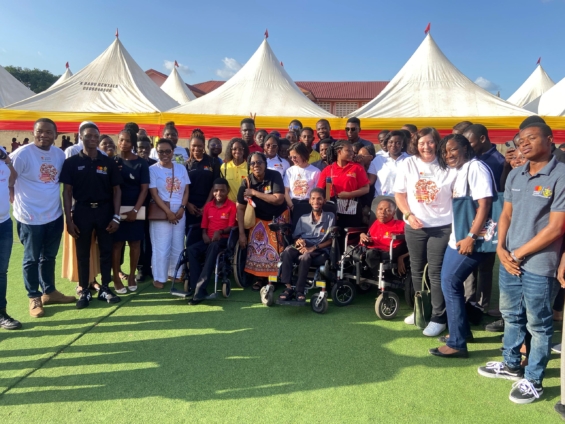
The KNUST MasterCard Scholars have intervened, transforming the cluster through a series of impactful projects, including the construction of a perimeter wall, sinking a mechanised borehole, renovating classrooms, building a sanitary facility, and establishing an ICT lab.
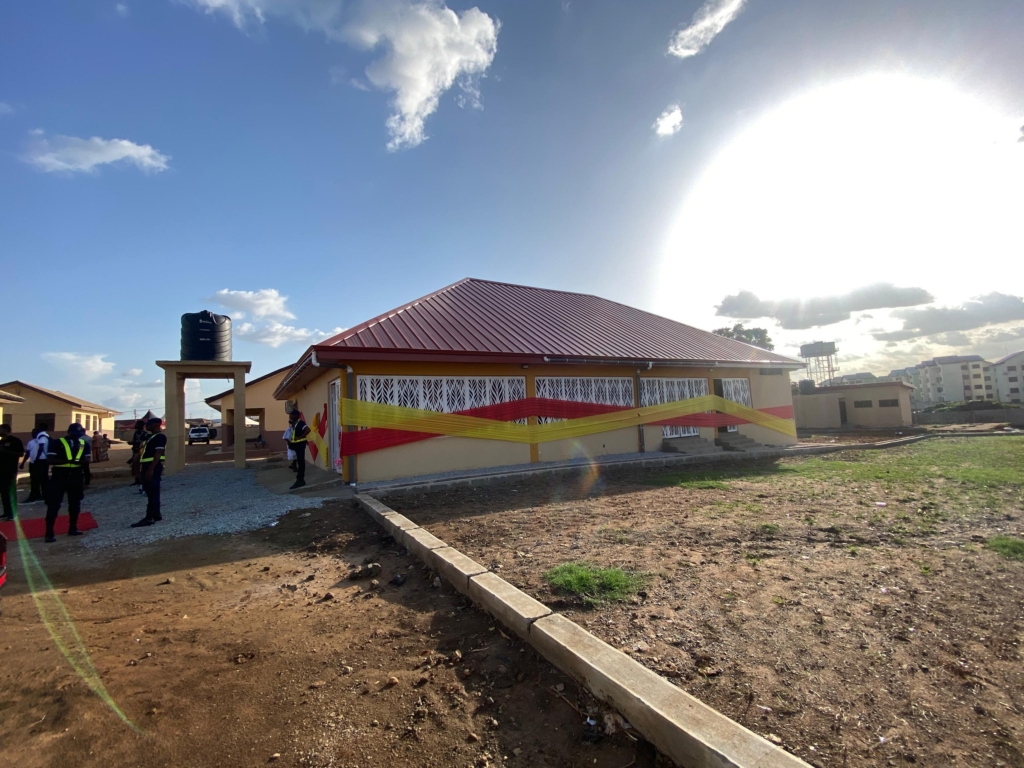
These interventions will improve teaching and learning, ensure clean water, enhance sanitation, and bridge the digital divide for the Ayigya community.
The Ayigya schools, Ayigya M/A Primary School and Ayigya M/A JHS have not seen any major renovation since establishment in 1954.
The schools share the same toilet facility and water source with the Ayigya community, straining the convenience of both school staff and pupils.
The school lacked a wall, facing disturbances from outside communities.
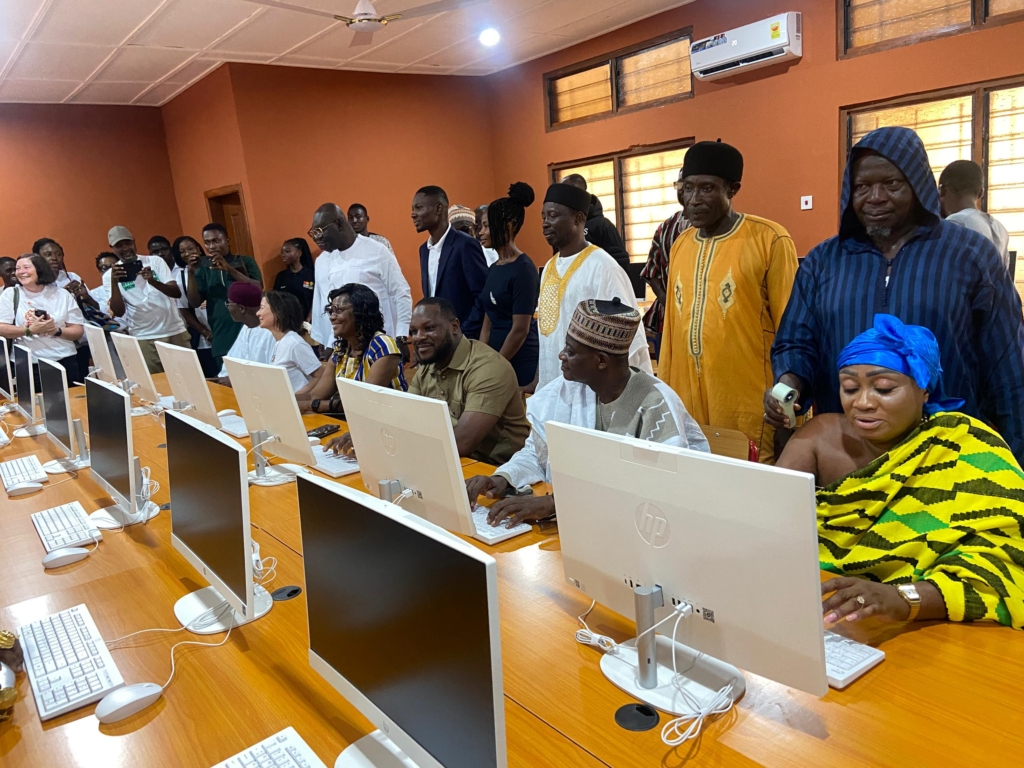
Teaching and learning of ICT were limited due to the lack of IT resources.
MasterCard Scholars at the Kwame Nkrumah University of Science and Technology, in fulfillment of their community duties, have alleviated the school of these struggles.
Headteacher of Ayigya Junior High School, Eric Amankwaah, highlighting the usefulness of the intervention, said they will ensure learners’ success.
“Walking on the school premises will provide a safe and secure environment for our learners to learn and grow. The ICT lab will enable learners to thrive in today's digital landscape. And the renovation of classrooms will revitalise our learning spaces and make them conducive for academic excellence. There will be access to clean water, which is a fundamental necessity for our learners' health and well-being. These projects demonstrate the foundation's dedication to creating a supportive and inclusive learning environment,” he said.

The scholars spent over two million Ghana cedis to fence the school premises, renovate dilapidated classrooms, sink a mechanised borehole, construct a sanitary facility, and fully equip a modern ICT lab.
President of the Scholars Council, Jeremiah Ampah, says the interventions are a contribution to breaking barriers and giving education and equal rights to the underprivileged.
“This project is more than just brick and mortar; it is a promise. It started with fencing the school for safety and order. Then came the borehole, clean water for learning and living. We renovated and painted classrooms to restore dignity and create a better atmosphere for learning.
“Yet, as we went deeper, we discovered pressing needs: A shared toilet facility used by both the school and the larger community, an urgent sanitation challenge. The absence of a computer lab, limiting access to the digital world. So, as a community of Scholars, we said: If the job must be done, it must be done and done well. Thus, we built and commissioned today a fully furnished Computer Laboratory and a modern, hygienic sanitary facility,” he said.
Oforikrom Municipal Chief Executive, Anwel Sadat Ahmed lauded the collaborative efforts, and assured that the assembly is open to collaborate to alleviate situations in the municipality.
“We are deeply grateful for the MasterCard Foundation's partnership and their commitment to making KNUST a hub of youth empowerment. We are confident that this project will make a significant impact on the lives of young people, providing them with the opportunities they deserve to succeed.
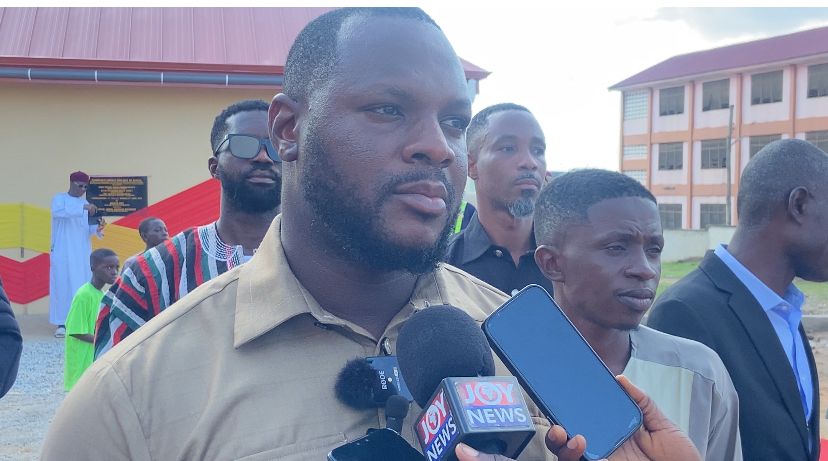
“Together, we can build a brighter future for our community. The Assembly remains open and ready for more collaborations and support of this nature to ensure that every child and every school in our municipality can thrive,” he said.
The Lead of the Mastercard Foundation Programs at KNUST, Prof. Kofi Ohene Owusu-Daaku, said the intervention is a fulfilment of the scholars’ duties as transformational leaders.
“These projects are called community impact projects, and it’s in fulfilment of a block of our ethos, thus giving back to a struggling society. We have over 1,210 scholars now. The aim is to train ethical and transformative leaders who will form the vanguard of our societies,” he said.
Latest Stories
-
Finance Minister advises African governments to strengthen regional tax cooperation
1 hour -
NPP accuses NDC of master-minding demolition of Ho regional office fence
1 hour -
Ghana plans stronger regional power trade with Nigeria
1 hour -
GRA Commissioner-General calls for stronger tax cooperation to boost regional revenue mobilisation
1 hour -
NACOC needs more personnel to tackle drug trafficking – Toobu
1 hour -
Railway workers resist KMA eviction order, demand consultation
2 hours -
Legacy Leadership Africa Institute to host boardroom women’s leadership programme
2 hours -
Ghana needs a law to sustain constitutional reforms – CDD-Ghana
5 hours -
COVID fumigation audit: Auditor-General has a lot of questions to answer – Akwatia MP
5 hours -
Stranded Ghanaian medical graduates in Cuba appeal to Mahama for immediate return
5 hours -
GNFS contains fire outbreak at Teshie Lekma Road near Lekma Hospital
11 hours -
Samia Nkrumah rejects the narrative that Ghanaians were happy after Nkrumah’s overthrow
12 hours -
A Mother’s pain: Tribute by Ivan Baidoo’s mother
13 hours -
‘Forgive us for staying away’ — Samia Nkrumah leads family back to Nkroful, pledges to preserve Nkrumah’s legacy
13 hours -
Ernest Nuamah scores twice as Lyon beat Rennes
13 hours