

Audio By Carbonatix
Concern is mounting over air quality in Kumasi as experts warn of rising health risks linked to pollution in the fast-growing Ashanti regional capital.
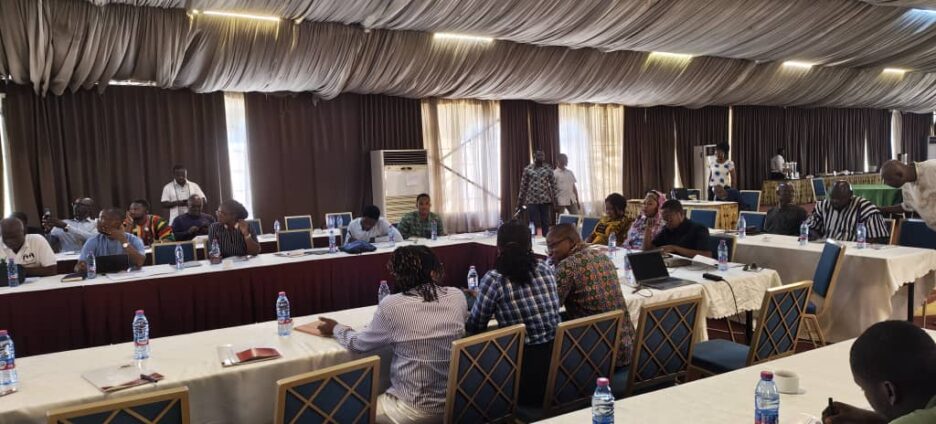
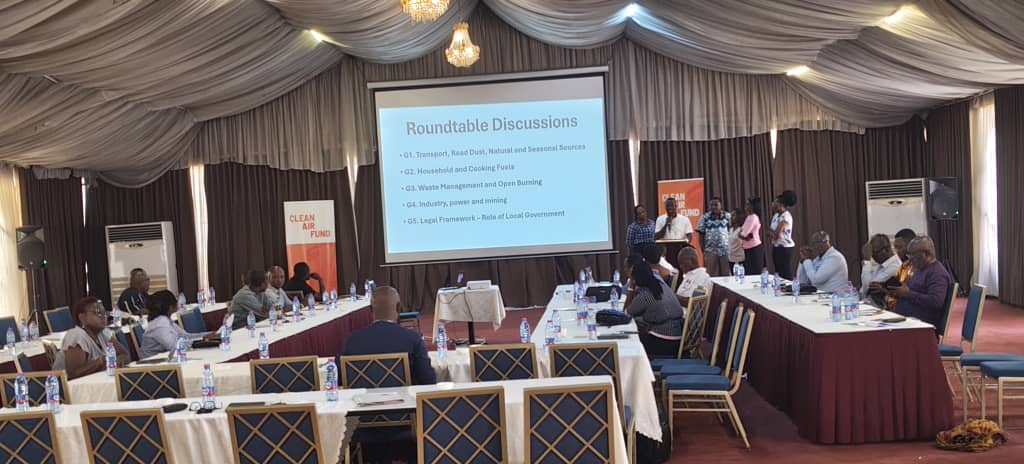
At a stakeholder meeting on air quality involving government officials, researchers and civil society organisations, participants discussed the health impacts of polluted air and the need for coordinated action. It was the first major forum of its kind held in Kumasi.
Desmond Appiah of the Clean Air Fund, who led part of the discussion, said cities such as Kumasi are facing increasing pressure from air pollution. He noted that while natural sources like Saharan dust contribute to poor air quality, human activities remain the dominant cause, including vehicle emissions, waste burning and household smoke.
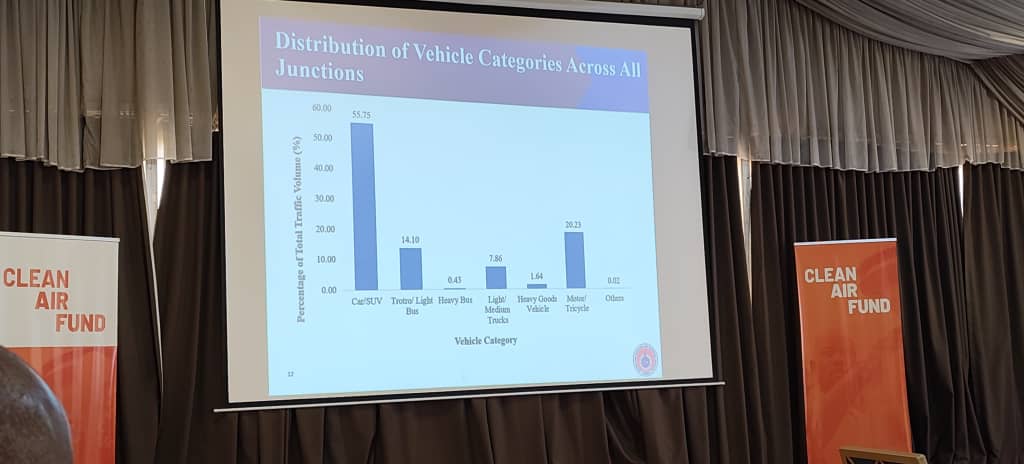
He said Kumasi’s role as a major transport hub worsens the situation, with heavy-duty trucks transporting goods across Ghana and West Africa contributing significant emissions due to their age and condition.
Despite visible signs of pollution, stakeholders highlighted major gaps in air quality data. Mr Appiah stressed the need for improved monitoring systems, noting that limited data makes it difficult for policymakers to make informed decisions.
He added that while some institutions, including the Environmental Protection Authority (EPA), are collecting data, Ghana lacks a dense network of sensors to provide consistent real-time air quality information. He also pointed to the weak integration of health and environmental data.
Beyond monitoring, he identified gaps in technical capacity and enforcement. He called for stronger support for environmental health officers and the alignment of national regulations with local by-laws.
He further emphasised that while Ghana has demonstrated policy commitment through legislation and international agreements, implementation remains constrained by limited resources.
Key contributors to pollution identified at the meeting included poor waste management, transport emissions and low public awareness.
Dr Jackson Adiyiah Nyantakyi of the EPA also noted growing concerns about declining air quality, driven largely by human activity. He cited open burning of waste and biomass, deforestation, and dust from untarred roads as major contributors to particulate matter pollution, particularly PM2.5 and PM10.
He added that seasonal changes also affect air quality, with the harmattan period worsening dust levels, while rainfall during the wet season helps reduce pollution.
Dr Nyantakyi said the EPA currently operates about six monitoring stations in the region, but acknowledged that this is insufficient for a city the size of Kumasi. Plans are underway to expand monitoring capacity.
The Ashanti Regional Director of Environmental Health, David Oppong-Darko, said recent data from 2024 and 2025indicates some improvement in air quality, though he cautioned against complacency.
He noted that despite progress, sustained efforts are needed to achieve safer air quality standards. He stressed the importance of inter-agency collaboration, warning that fragmented efforts would undermine results.
He also identified vehicle emissions and open burning of waste as major drivers of pollution, explaining that some residents resort to burning waste due to inadequate collection services or the inability to afford disposal fees.
Environmental Health Officers, he said, are engaging in public education, monitoring, and enforcement actions, including prosecutions where necessary.
Stakeholders concluded that addressing Kumasi’s air pollution challenge will require stronger monitoring systems, improved coordination, and sustained investment. Without these measures, experts warned, the city risks facing a growing environmental and public health crisis that remains insufficiently measured but increasingly harmful.
Latest Stories
-
Power restoration fault suspected in Kumasi Central Market fire
1 hour -
The 7-foot giant of Ngleshie Amanfro: Seven-foot Ghanaian Ephraim Saawa dreams of joining the national basketball team
2 hours -
Government promises support for Kumasi Central Market fire victims
2 hours -
Vibes The Movie: Big Ghun’s Ghanaian film earns five nominations at 2026 REFFA
3 hours -
MamaCare CEO warns unresolved conflicts among health workers could undermine maternal and neonatal care
3 hours -
Health professionals urged to translate medical knowledge into practice to save mothers
3 hours -
Conflicts among care providers linked to maternal, neonatal deaths – Expert
5 hours -
GIS marks 10th TIME conference, champions improved teaching practices
5 hours -
BRICS Or Balance? What Ghana’s bid really means
5 hours -
GPRTU wants full TRAFFITECH-GH implementation to start in 2027
6 hours -
Mahama announces plans to import electric wheelchairs for PWDs
6 hours -
KGL U17 Colts 2026: Western beat Prempeh Elite Academy to set up final final with Greater Accra Region
6 hours -
Late Solanke strike salvages 10-man Spurs draw at Man United
6 hours -
Gender Ministry to monitor welfare of Nana Akua Addo’s children amid domestic violence case
6 hours -
Benedict Okyere Yeboah: Ghana’s football problem goes beyond sacking a coach
6 hours