

Audio By Carbonatix
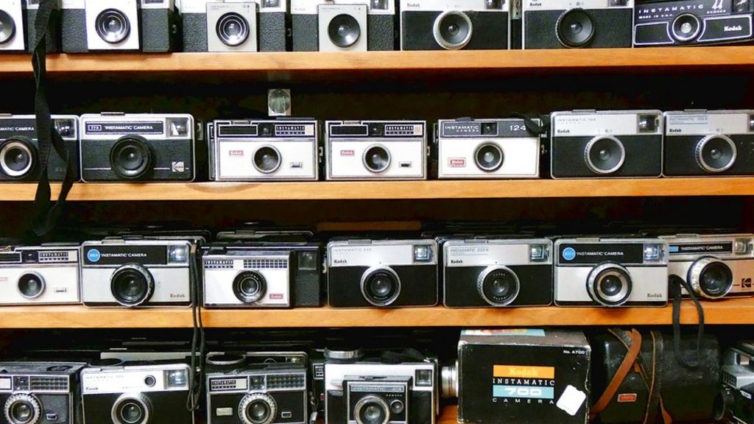
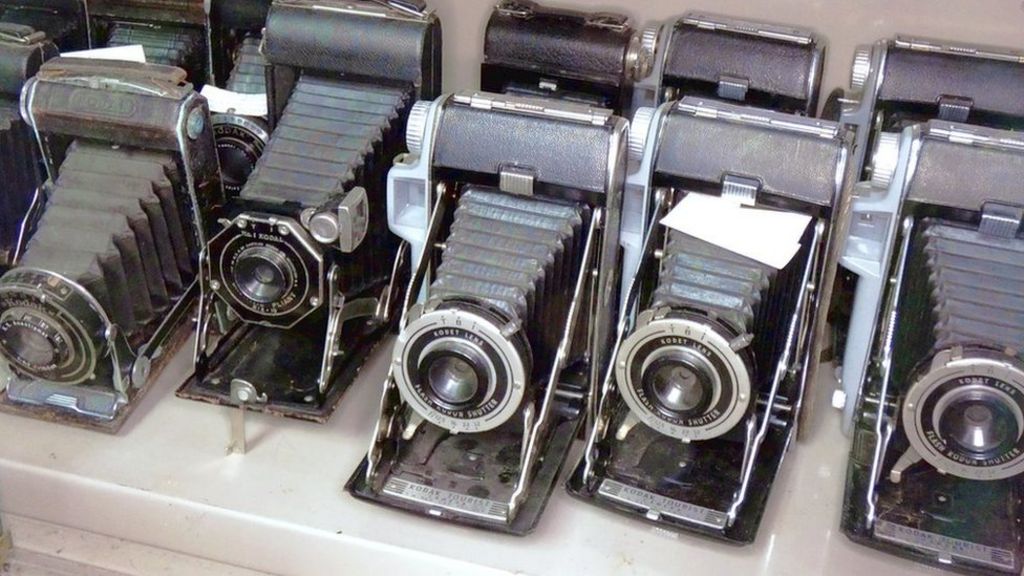
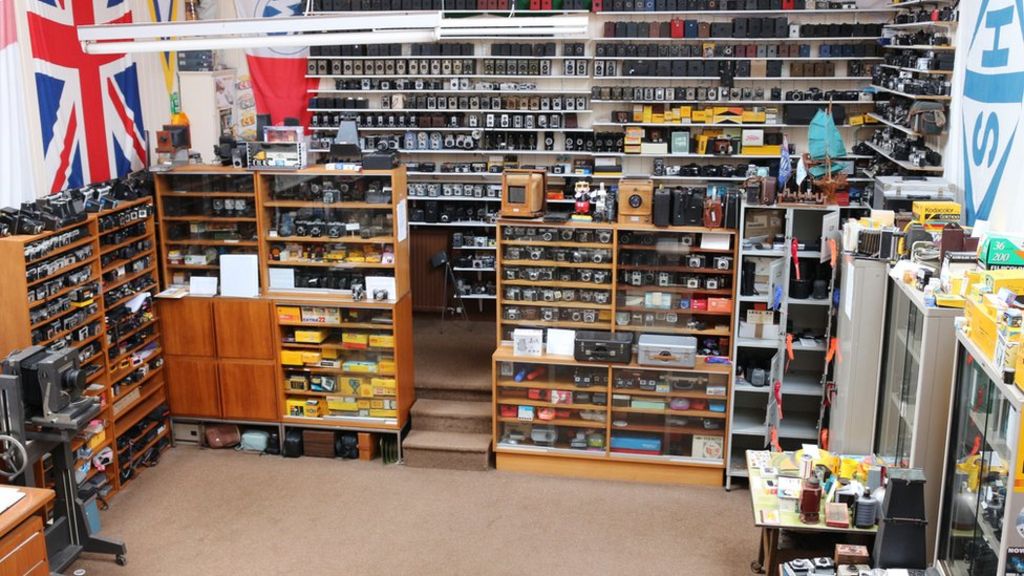
One of the largest camera collections in the world is hidden away in a village hall in a Fife coastal town - but hardly anybody knows it is there.
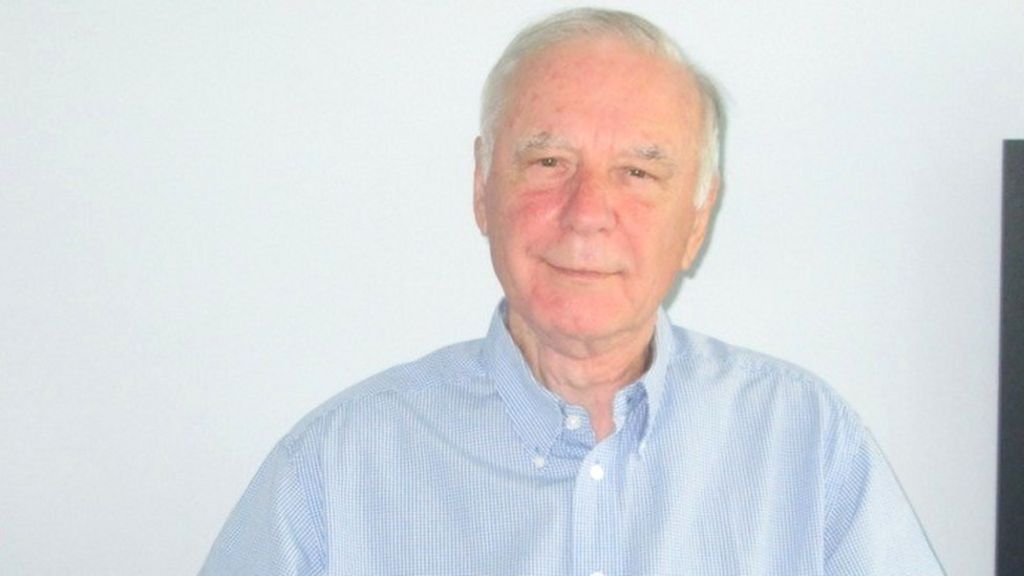
At least 3,000 cameras, including some dating back well over a century, belonged to the late Neville "Jim" Matthew.
He retired to the picturesque East Neuk village of St Monans after a career that took him around the world.
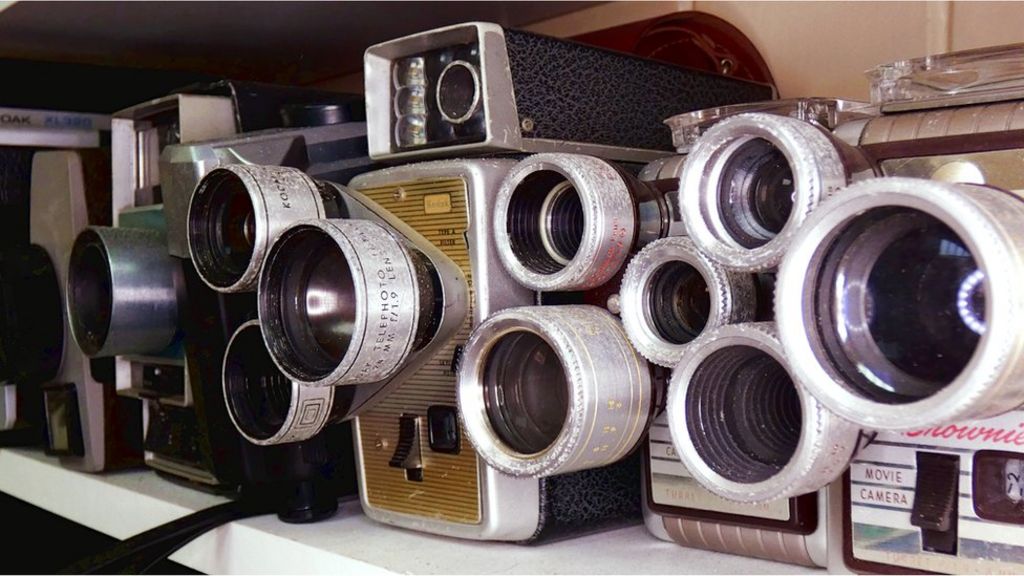
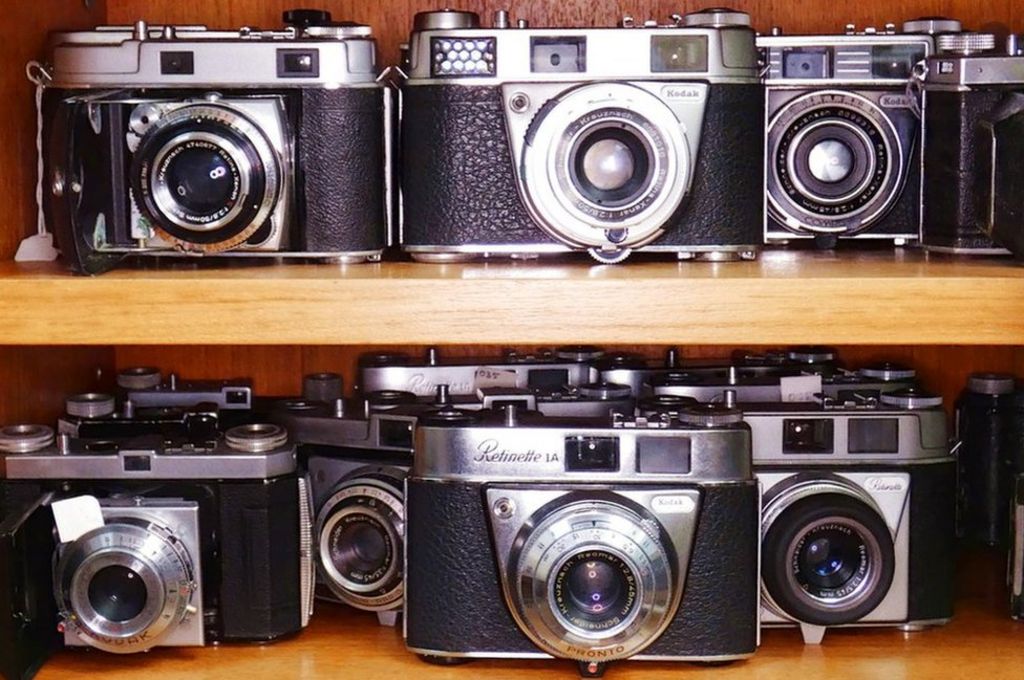
He took over the former Salvation Army hall to store his treasured collection. Inside the hall, row after row of cameras, accessories and memorabilia fill the shelves.
They include stereoscopic and 3D cameras as well as East European models, including many that were rare in the West.
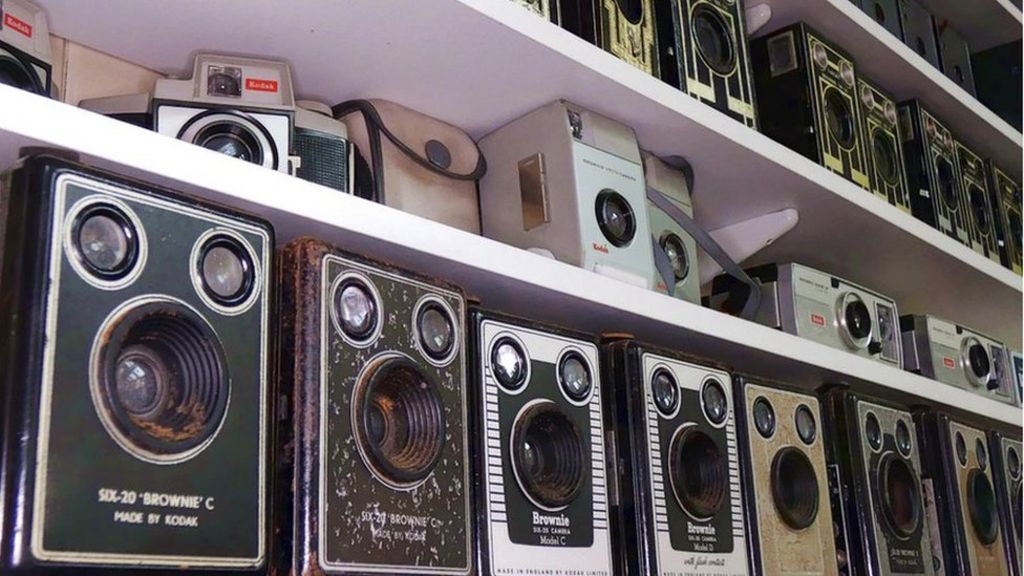
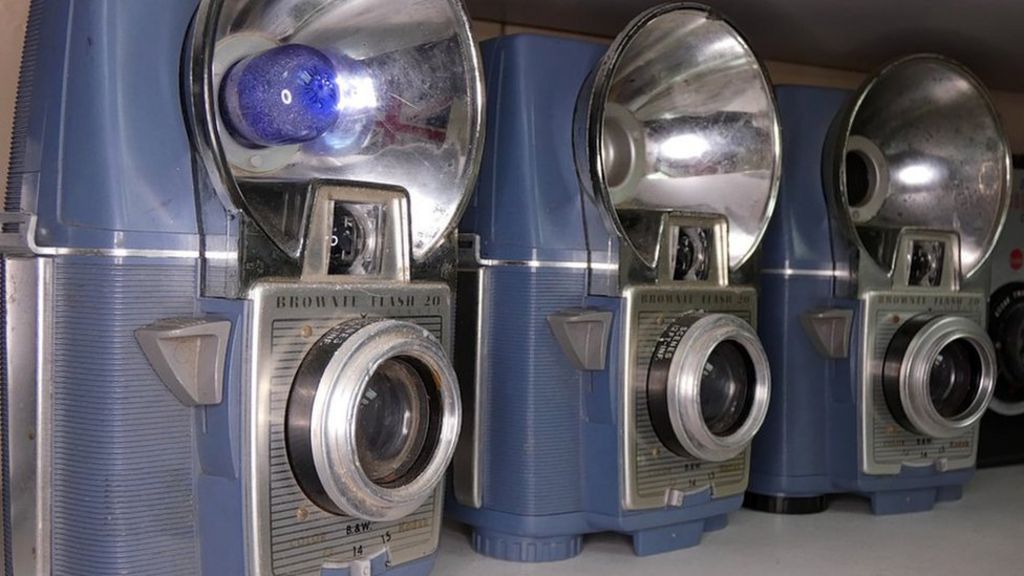
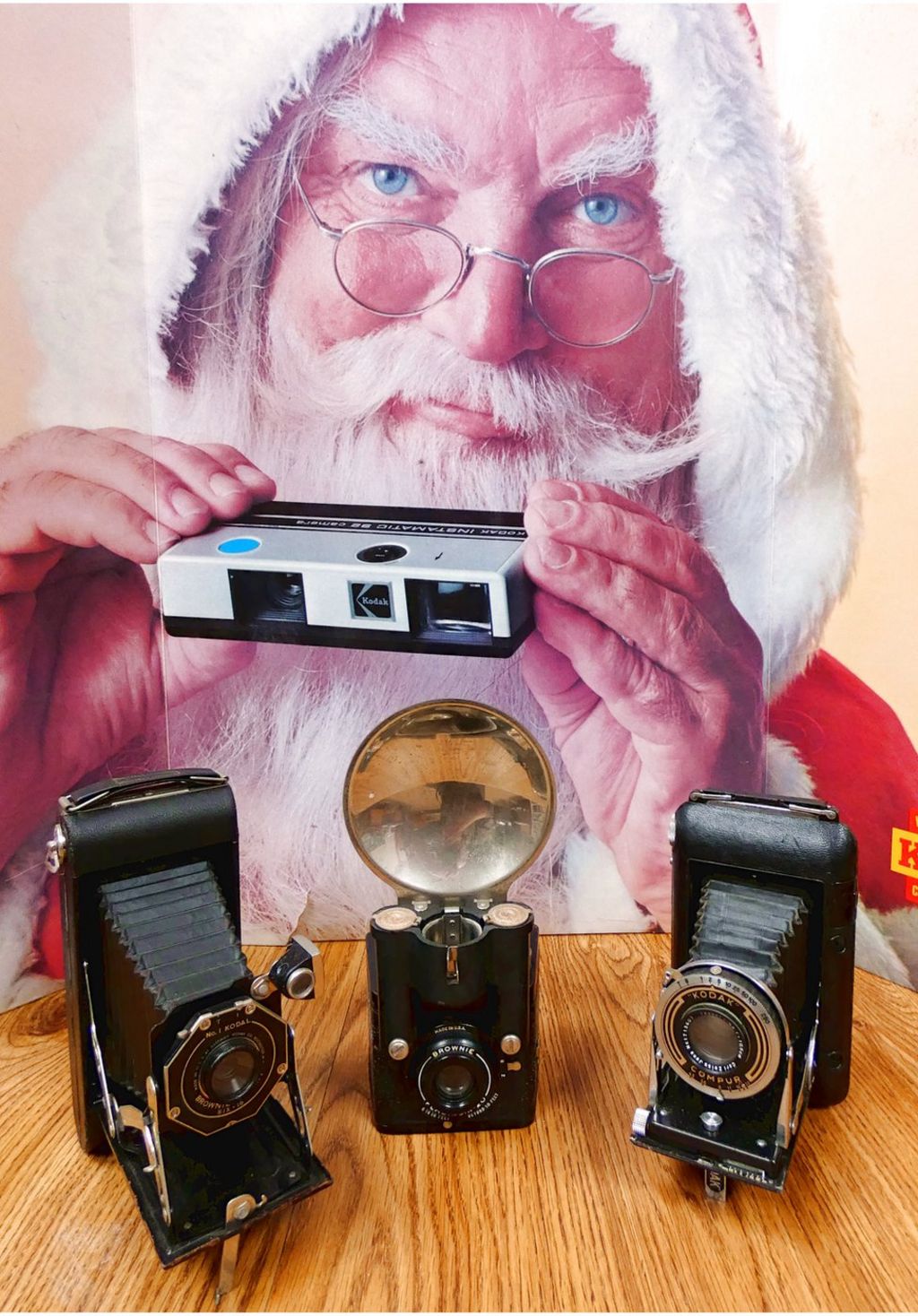
At the heart of the collection is an array of Kodak Brownie cameras - featuring almost every model ever produced.
The Brownie was the first affordable camera and could be bought for just one dollar when it was first sold in 1900.
Jim had wanted his collection to be an open attraction, but he was getting older and in ill health, and the task posed too big a challenge.
Instead, he was limited to opening once a year for the village festival and for occasional private viewings.
"He really enjoyed talking to people about it when they came into the hall," says his widow Dorothy.
"I had to come down and rescue them sometimes because he did not know when to stop.
"He was a very good speaker. He didn't have a small talk but if it was something he was interested in he could talk for a long time."
Jim, who died aged 81 at the end of 2017, had begun the collection 24 years earlier on a trip to Vancouver in Canada to see his daughter.
They were wandering around antique shops and his wife Dorothy bought him an old camera as a present.
Soon after, as Jim recovered from heart surgery, they travelled down the west coast of the US to Oregon where there were a lot of antique shops.
"He started to potter around and find quite a few cameras that he liked," Dorothy says.
"It expanded from there. When he got his mind into something he goes all out.
"He won't stop. He never really said why. It was just that he started and continued."
Dorothy says Jim was collecting "at the best time" because people were getting rid of their old cameras in favour of new digital models.
"Whenever he went somewhere he would always come back with a case load of cameras," she says.
He travelled a lot for work and pleasure and he would always search out flea markets or places selling second-hand items.
Poland proved a very fruitful destination as they were getting rid of a lot of Russian cameras from the Soviet era.
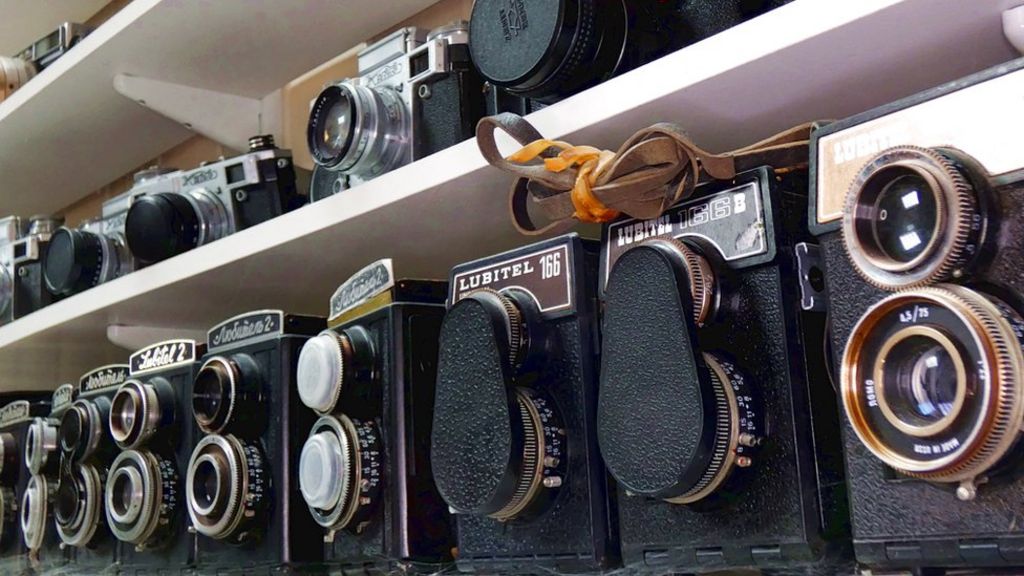
"He would try to find cameras from every country when he went on holiday," Dorothy says.
He would also ask friends if they had time to find a camera for him, and they very often did.
Jim was born in Bolton in Greater Manchester and went to sea as an engineer cadet.
During his time at sea, his parents moved to Glasgow, where he met Dorothy - and changed his name from Neville, which was not one that went down well in Scotland.
The couple were soon married and had three children.
Jim's work as a marine engineer took him all around the world.
The family lived for seven years in Hong Kong, two years in Greece, five years in Holland and 12 years in Canada.
Dorothy says Jim "lived for travel" and there were very few places he had not visited.
He went on many trips on his own because he was only interested in being behind the camera, his wife says.
"Me being there was a waste of money.
"He took good photographs so I think he enjoyed the results. He wanted to make it more of a picture rather than just a photo. He was completely absorbed with it."
As Jim's collection grew, the couple lived in Holland and he stored his cameras at his office.
In preparation for retirement, they bought a house in St Monans to be near Dorothy's mother.
It was not big enough to store the camera collection - so Jim bought the local Salvation Army Hall.
Almost three years after his death Dorothy is working with a charitable trust to transfer ownership of the building and the collection and turn it into a museum.
Dorothy, who now lives in Canada, said she was "delighted" at the prospect.
"I had no idea that could happen and I was worrying about what we would do," she says.
"I didn't want them to be thrown out."
Latest Stories
-
La Beach demolition: Senyo Hosi condemns lack of consultation
16 seconds -
Russian glide bomb attack on Zaporizhzhia kills at least 15 people
15 minutes -
Jinapor warns underperforming energy sector CEOs of consequences, says no protection for failure
17 minutes -
Fire destroys head of tipper truck on Lower Volta Bridge
21 minutes -
Palmer signs new Chelsea contract until 2034
23 minutes -
World Cup visa scandal: Mahama will act on corruption allegations – Abass Nurudeen
25 minutes -
Abass Nurudeen accuses Minority of ‘scandal scavenging’ over World Cup visa controversy
26 minutes -
US Embassy recognised NSA, GFA and GTA as separate entities for visa applications – Sports Minister’s aide
32 minutes -
Only 30% of Ghanaian teachers satisfied with their jobs – CAPCOE data reveals
43 minutes -
Communities affected by construction of Akosombo Dam urge government to speed up compensation process
1 hour -
World Cup visa scandal: Sports Ministry not shielding anyone – Sports Minister’s special aide
1 hour -
World Cup visa scandal: Over 30 people misrepresented as GTA board members to US Embassy – Vincent Assafuah alleges
1 hour -
Fire destroys wooden structure near Yesu Mo Villa at Bush Road
1 hour -
NDC threatens sanctions over oversized campaign posters, gives aspirants 5 days to comply
2 hours -
Star Oil paid GH¢2.7bn in taxes, levies in nine months of 2026
3 hours