

Audio By Carbonatix
A new National Petroleum Authority (NPA) Bill, yet to be laid before Parliament, is expected to introduce major reforms to petroleum pricing and funding structures.
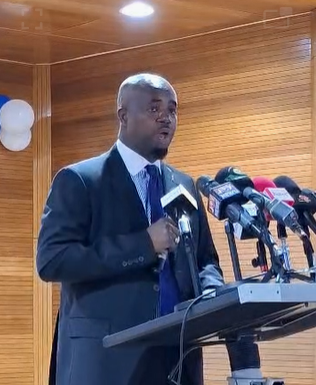
NPA Chief Executive Officer Edudzi Tamakloe disclosed the proposals while outlining ongoing stakeholder consultations on the draft legislation, which he described as part of efforts to streamline petroleum levies and improve efficiency in the downstream sector.
According to him, the bill also seeks to merge existing funding mechanisms into new consolidated structures to improve transparency and cost recovery in the industry.
“In the new NPA Bill, I usually call it the ‘NPA Bill’, it tries to bring two things together — the UPPF and the PDM,” he explained. “The UPPF and the PDM will now be what is called the Distribution Fund.”
The UPPF (Unified Petroleum Pricing Fund) and the Primary Distribution Margin (PDM) currently serve as separate components used to absorb costs associated with fuel distribution and logistics in the downstream petroleum sector.
Mr Tamakloe said under the proposed reforms, these funds will be merged to improve coordination and ensure more efficient management of petroleum pricing structures.
He added that another key component of the bill is the creation of an infrastructure-focused fund to support strategic investments in the sector.
“The BOST margin, among others, will go into what is now known as the Infrastructure Fund,” he noted, referring to the margin associated with the Bulk Oil Storage and Transportation Company.
The NPA boss further disclosed that there was an earlier legislation which introduced a Cylinder Recirculation Investment Margin, imposing an $80 charge on every metric tonne of LPG.
“We had to come to Parliament once again for Parliament to place about $80 per metric ton of LPG into that particular fund,” he said.
He explained that the levy is intended to finance Ghana’s Cylinder Recirculation Model, which aims to improve safety and efficiency in LPG distribution by shifting from individual cylinder ownership to a centralised exchange system.
According to him, the policy is designed to prevent consumers from bearing the full cost of infrastructure investments made by private bottling companies.
“The whole essence is to absorb the cost relative to the cylinder recirculation model because you do not want the big bottling companies, when they invest, the state must find a way of compensating,” he said.
Mr Tamakloe added that stakeholder consultations are ongoing ahead of the formal submission of the bill to Parliament, as the government seeks to modernise petroleum sector regulation and funding mechanisms.
Latest Stories
-
Banking sector deposits jump 25% to GH¢334.3bn in 2025 — PwC
8 minutes -
Hostel Owners Association bares teeth over legality of rent control campaign against exorbitant fees
15 minutes -
GCB overtakes Ecobank as Ghana’s largest deposit-taking bank
17 minutes -
Young Cocoa Farmers petition Mahama over funding, producer price and start date for new cocoa season
27 minutes -
Ruha Benjamin challenges Africa to shape its own AI future
30 minutes -
Trump threatens to bomb US ally Oman if it ‘gets in the way’ over Iran deal
36 minutes -
FIFA sacks senior executive who criticised Infantino, Sky News understands
39 minutes -
Aksa saga: Don’t turn EOCO-OSP roles into turf war – Deputy AG
50 minutes -
Abandoned Dome-Berekuso-Kitase road project should not become a waste of taxpayers’ money — chief warns
1 hour -
University of Gold Coast graduates urged to prove themselves beyond certificates
1 hour -
GoldBod sets new X-Ray Fluorescence standard for gold purity testing from September 1
1 hour -
Why EOCO, not OSP, is leading AKSA bribery probe – Deputy AG explains
1 hour -
Republic Bank-JoyNews Habitat Fair to kick off with Mini-fair at Achimota Mall on August 21
1 hour -
From promises to poisoned rivers: The dangerous silence fueling Ghana’s escalating galamsey and environmental collapse
1 hour -
Hasty cancellation of AKSA contract could trigger judgment debt – Deputy AG warns
1 hour