

Audio By Carbonatix
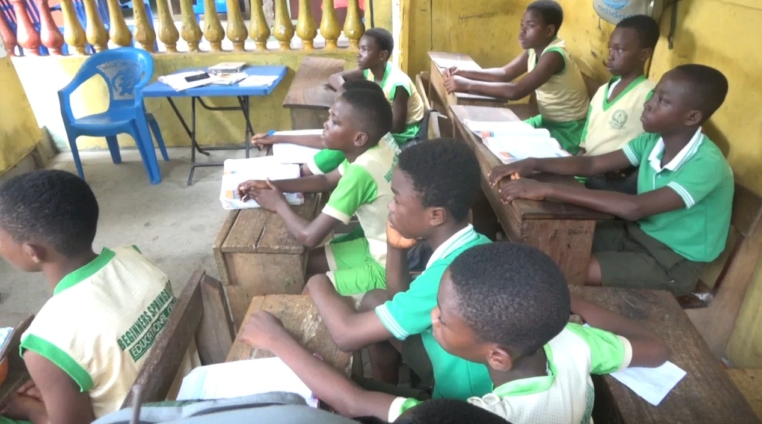
Private basic schools in Ghana are raising significant concerns over the government’s policy that reserves a 30 per cent equity quota for public schools during the placement process.
Several private school administrators, during an educational tour organised by Opportunity International EduFinance, highlighted the negative impact this policy is having on their enrollment figures, threatening the financial sustainability of their institutions and the quality of education they provide.
The 30 per cent quota, designed to give students from public schools priority access to Category A senior high schools, has sparked frustration among private school proprietors.
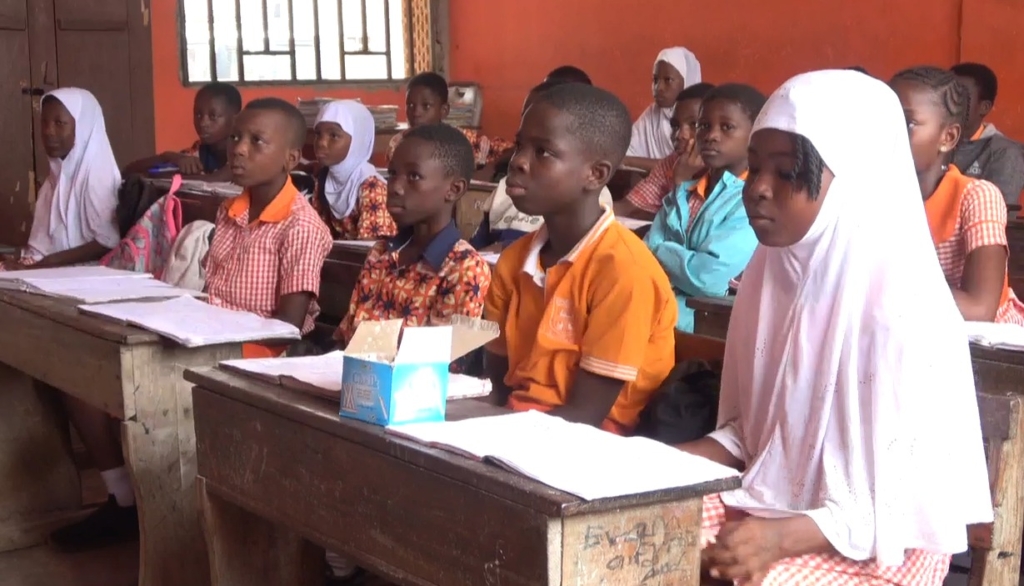
The policy allocates specific spaces for public school students in the placement process, which is compelling many parents to send their children to government schools in the hope of securing a spot in top-tier senior high schools.
As a result, private schools are experiencing a notable decline in enrollment, with some institutions facing challenges to remain operational.
According to Ransford Gyekye, the Proprietor of Supreme Care Education Centre, the policy has directly contributed to a decrease in student intake at his school.
He explained, "Most parents wait for their children to complete JHS 2, and then they transfer them to government schools because of the higher chances of being placed in Category A senior high schools."
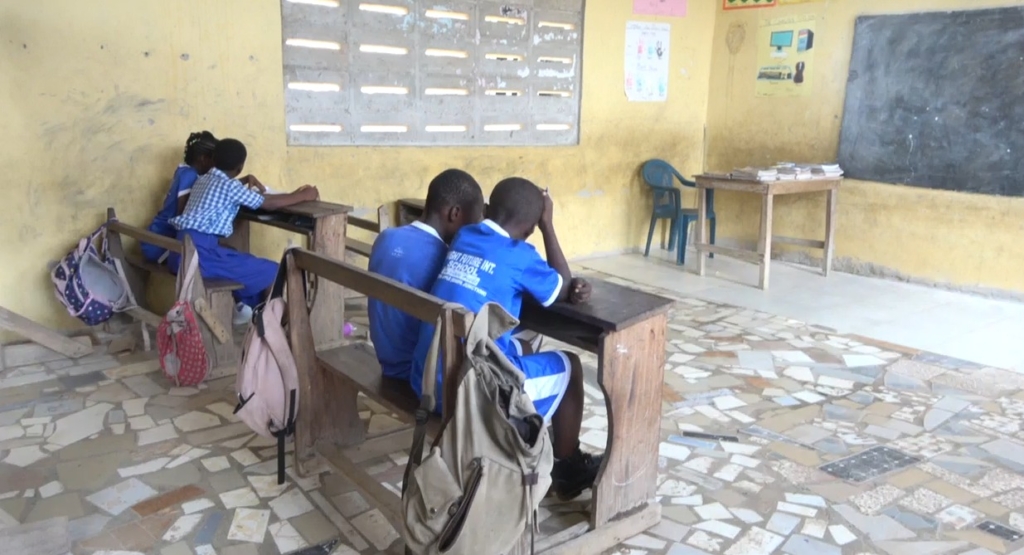
At the Bright Future International School, the Proprietor, Lawrence Agbloh Dameh, shared a similar sentiment, revealing that his JHS 2 class currently has no students enrolled.
"All the students in my JHS 2 class have left for a government school nearby," he said, underscoring the impact of the policy on private institutions.
The owners of these private schools are now calling on the government to reconsider its approach and work closely with heads of private basic schools to ensure their students also have equitable access to Category A Senior High Schools.
They argue that the current policy undermines the viability of private schools, which play an essential role in providing diverse educational options for families across Ghana.
Private school heads are urging the government to engage in dialogue to find a more balanced solution that ensures fair opportunities for all students, irrespective of whether they attend public or private schools.
Latest Stories
-
FIFA, CAF halt Nigeria football elections over governance crisis
19 minutes -
13-year-old Prince George set for first day at Eton College
24 minutes -
NPP national election: ‘Something shocking is about to happen in Kumasi’ – Sylvester Tetteh
32 minutes -
‘Judge me on my commitment, not whom I supported during presidential primary’ – Sylvester Tetteh to NPP
34 minutes -
Family demands answers after dialysis patient dies at TTH during power outage
59 minutes -
Foreign Ministry repatriates nearly 7,000 distressed Ghanaians since 2025 – Ablakwa
1 hour -
Gender Ministry steps up community campaign against social vices
2 hours -
Police bust armed robbery gang targeting gold dealers, mining sites in Ashanti and Western regions
2 hours -
Galamsey causes 1 in 4 fibre cuts in Ghana – Sam George
2 hours -
Police link Labone bank robbery suspects to earlier attacks on customers
2 hours -
Accra-Kumasi Expressway will be Mahama’s major road legacy – Agbodza
2 hours -
Ghana spends over US$20m repairing fibre cuts – Sam George
2 hours -
GACL wins two awards at ACI World Airport Experience Summit
2 hours -
Tomato prices to drop sharply in coming weeks – John Dumelo
3 hours -
Ashanti Region crowned 2026 MTN Elite U-19 champions after seven-goal thriller
3 hours