

Audio By Carbonatix
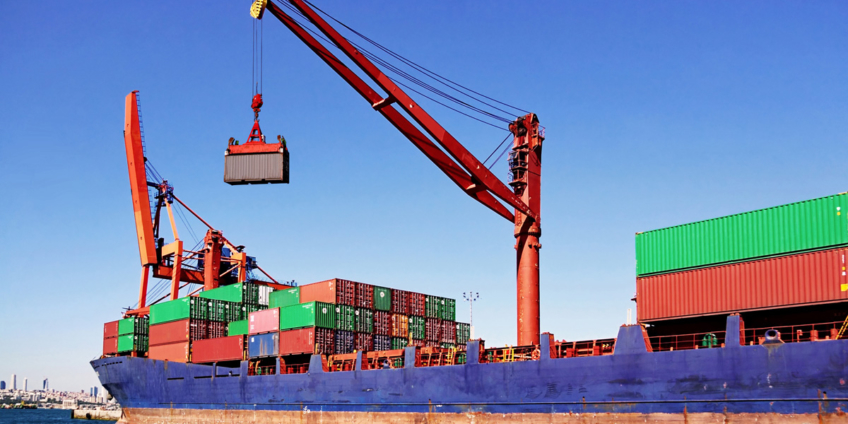
In its 2024 Mid-Year Budget Review, the Institute of Statistical, Social and Economic Research (ISSER) has called for stringent measures to combat rent-seeking activities and enhance efficiency at Ghana’s ports.
The review, titled “A Critical Assessment of the 2024 Mid-Year Budget by ISSER,” highlights the need for structural reforms to address revenue leakages and improve tax collection.
ISSER recommends harmonising the number of government agencies operating at the ports to reduce human interface and revenue losses. This streamlining aims to curb rent-seeking activities by personnel involved in revenue collection.
One of the key strategies proposed is the rotation of personnel stationed at the ports every two years to prevent the entrenchment of corrupt practices.
The review states, “Harmonize the number of government agencies operating at the ports to reduce the human interface and revenue losses, thus reducing rent-seeking activities by personnel collecting revenues at the port. This can also be achieved by rotating personnel stationed at the ports every two years.”
Furthermore, ISSER emphasizes the importance of transparency and accountability among Ghana Revenue Authority (GRA) staff. The review recommends that GRA personnel complete asset declaration forms to ensure they are not engaging in or establishing firms involved in clearing services until five years after retirement.
This measure is intended to prevent conflicts of interest and ensure that GRA staff remain focused on their official duties.
“Additionally, GRA staff should complete asset declaration forms and not engage with or establish firms involved in clearing services until five years after retirement. The ports are major sources of revenue, and sealing leakages can significantly shore up the Tax GDP ratio,” the review continues.
The ports are crucial revenue sources for Ghana, and addressing inefficiencies and corrupt practices at these entry points can substantially boost the country’s Tax GDP ratio.
By implementing these recommendations, ISSER believes that Ghana can improve its fiscal health and create a more transparent and efficient port operation system.
The review’s proposals are part of broader fiscal measures aimed at enhancing revenue generation and expenditure control to stabilize Ghana’s economy and promote sustainable growth.
Latest Stories
-
Young woman found dead at Kasoa Peace Town
28 minutes -
Livestream: The Law examines lawful arrest in Ghana
52 minutes -
Mahama urges African governments to treat healthcare as an investment, not budget cost
1 hour -
Bawumia congratulates John Boadu and new NPP executives, pledges support ahead of 2028
1 hour -
‘No talent should be left out’ – Bawumia pledges inclusive NPP campaign for 2028
2 hours -
Prof. Mike Oquaye recounts how he blocked Special Prosecutor’s attempt to arrest Bawku Central MP
2 hours -
Make health sovereignty a priority for Africa – Mahama
2 hours -
Dorimon Naa, Wa West DCE lead massive clean-up exercise; threaten sanctions against recalcitrant residents
2 hours -
Photos from Adom FM Y2K Jam
2 hours -
Praye Tiatia steals the show at Adom FM Y2K Jam [Watch]
3 hours -
Boakye Agyarko congratulates John Boadu, pledges support for NPP leadership
3 hours -
Antwi HiMight thrills fans with Antwi ne Antwi hits at Adom FM’s Y2K Jam [Video]
3 hours -
Amb. Edward Boateng congratulates Boadu, Kodua on election wins
3 hours -
John Boadu pledges to rebuild NPP from grassroots and restore ‘winning machinery’
3 hours -
Ashaiman Assembly deploys monitoring system to curb dumping in storm drain
4 hours