

Audio By Carbonatix
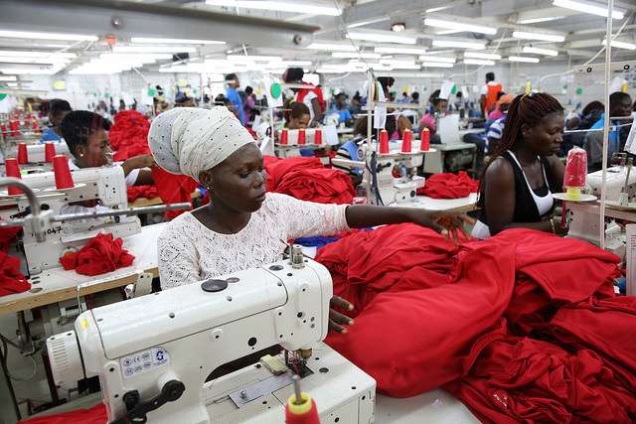
The Ghana Chamber of Young Entrepreneurs (GCYE) has described lending rates to small and medium enterprises as daunting and one which stifles growth.
The chamber’s comment follows a publication by the Bank of Ghana stating that commercial banks offered loans at annualized Percentage rates from as low as 17% to as high as 45% at the end of June 2025.
Sharing these comments with JoyBusiness, Sherif Ghali, Chief Executive of the chamber called for a reduction in the rates to make Ghanaian businesses competitive compared to other countries in the sub-region.
“For me it is so high and high borrowing capital eats into working capital, suppressing expansion, especially the people I lead who are young people. If the first option to get funding are traditional banks and they are offering rates this high, it is not good.” He said.
“This does not auger well for encouraging an entrepreneurial economy.” He added, emphasizing his frustration.
He added that a comprehensive credit system will be ideal in supporting small and medium enterprises in the country. Citing the need for long term credit facilities, Mr. Ghali called for targeted policies, including robust risk assessment regimes and digital operational modules to enhance access to credit.
“The people whom I lead are young people, young people and some of them can not go to the bank to raise credit facilities or capital. Ghana’s rate is not healthy for expansion and trade. We can not compete. This is a call for BoG and government to look into the enforceability of lending rates and ensure reduced lending rates.”
BoG APR publication
In a report, the Bank of Ghana revealed that Republic Bank and Bank of Africa provide the lowest interest rates on loans for individuals.
The Annualized Percentage Rates (APR) ending June 2025, the Bank of Ghana report captured all 23 banks in the country.
The report showed that Bank of Africa offered an interest rate of 20.22 percent for its one-year tenor while Republic Bank offered an interest rate of 21.43 percent for its three-year period.
The APR reflects the true cost of a loan that economic agents are confronted with when they go through an approval process to secure a loan facility. It comprises the Ghana Reference Rate, bank specific risk-premia and other bank-specific charges.
Latest Stories
-
NPP Delagates Congress: Confusion delays voting at Ashanti Region TESCON centre
19 minutes -
Fire ravages shops, houses near Koforidua Central Police Station
26 minutes -
NPP Delegates conference: The wisdom of the masses will prevail – Napo
59 minutes -
Flydubai co-pilot attacked captain with axe, UAE official says
1 hour -
NPP Bosome Freho Constituency Chairman reportedly arrested over ballot paper incident
1 hour -
Medical plane with 6 on board missing off Massachusetts coast
1 hour -
Bolt driver jailed 25 years for robbing beautician
2 hours -
Happy 76th Birthday to the Daily Graphic!
2 hours -
Amin Adam celebrates Prof. Alhassan Musah on appointment as KAAF University Vice-Chancellor
2 hours -
Mahama reaffirms commitment to Volta development at Asogli Te Za
2 hours -
Bawumia urges NPP aspirants to accept results, reunite party after elections
2 hours -
Double fibre cut disrupts Telecel services, 72,754 subscribers affected
2 hours -
Bawumia demands probe into financiers behind Ghana-linked cocaine shipments
2 hours -
Spain beat Czech Republic to maintain winning run
3 hours -
Ronaldo ‘greatest symbol’ of Portugal – Fernandes
3 hours