

Audio By Carbonatix
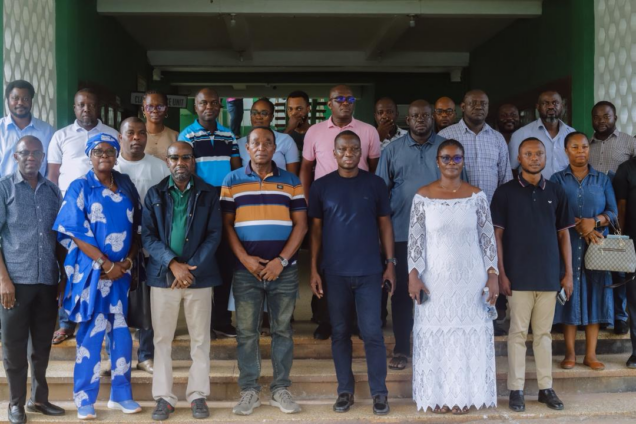
The Sekondi-Takoradi Metropolitan Assembly (STMA) has underscored the urgent need for sanitation courts and sustainable funding for every Metropolitan, Municipal and District Assemblies (MMDAs) to improve sanitation service delivery and ensure strict enforcement of sanitation by-laws, as the Parliamentary Select Committee on Sanitation and Water Resources continued its oversight engagements in the Western Region.
Welcoming members of the Committee to the Assembly, the Metropolitan Chief Executive for STMA, Hon. Frederick Faustinus Faidoo, acknowledged that sanitation management within the metropolis has remained a major challenge despite ongoing efforts by the assembly.
He explained that guidelines governing the District Assemblies Common Fund limit assemblies to spending only 10 percent of the allocation on waste management and sanitation, a situation he said continues to constrain effective service delivery.
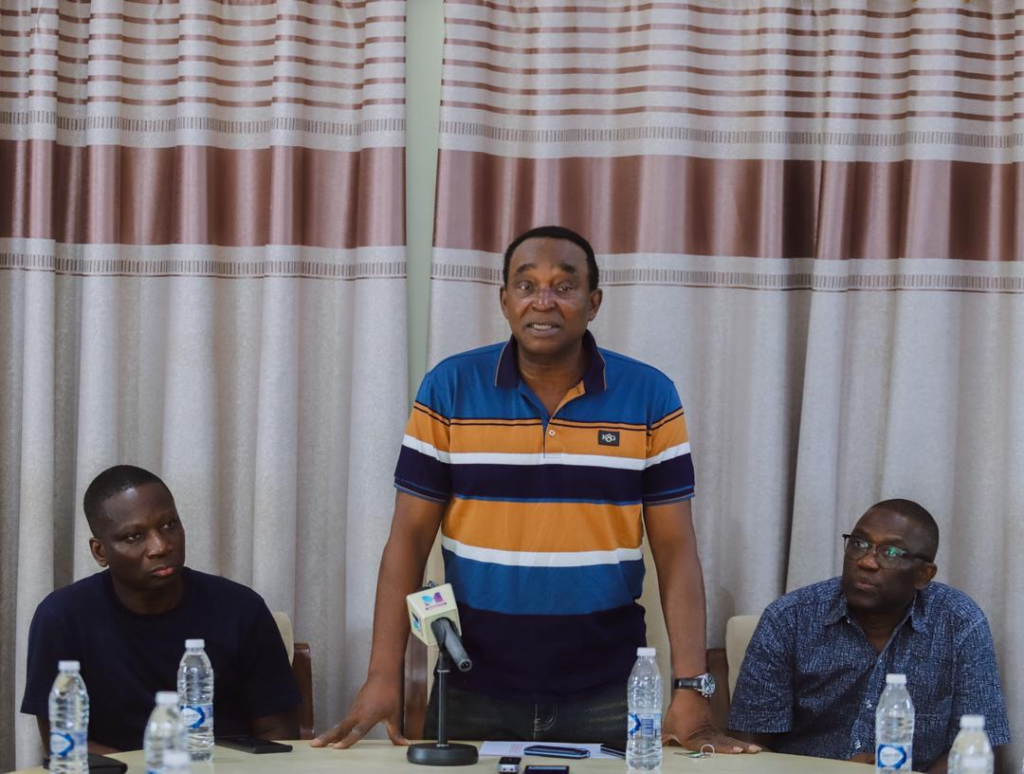
“Sanitation issues have not been very easy here, but we are doing our best within the available resources,” he stated.
Hon. Faidoo further revealed that he inherited a metropolis with inadequate waste management equipment following new contract arrangements that reduced the number of communal waste containers to only 15.
He noted that despite the challenges, the Assembly continues to manage an engineered landfill site where waste generated within the metropolis is disposed of.
The MCE stressed that government’s decision to allow Metropolitan, Municipal and District Assemblies to engage private service providers for waste management remains the best approach to easing the operational burden on assemblies.
Chairman of the Parliamentary Select Committee on Sanitation and Water Resources and Member of Parliament for Nkwanta North, Hon. John Oti Bless, later outlined the purpose of the Committee’s visit.
He explained that the engagement formed part of the Committee’s oversight responsibility to assess sanitation service delivery across the country, identify operational challenges and gather firsthand information from assemblies about service providers.
He referenced the Committee’s official communication to the assembly, which highlighted the visit’s objective of evaluating sanitation operations, strengthening stakeholder collaboration and ensuring improved waste management outcomes nationwide.
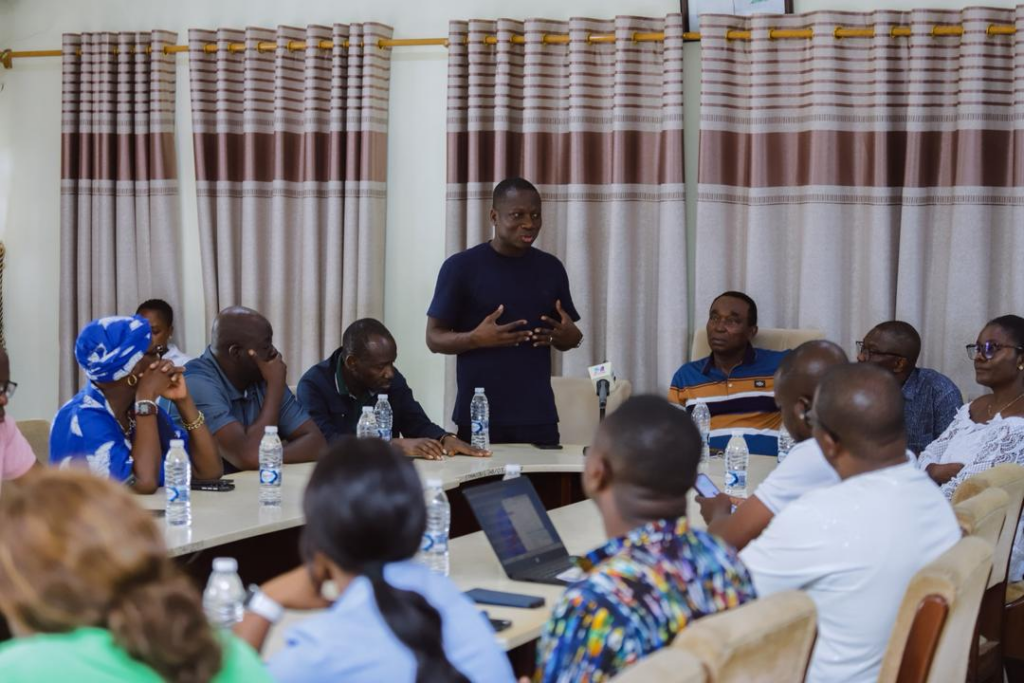
Hon. Oti Bless added that after the regional engagements, the Committee would hold further face-to-face discussions with assemblies to deliberate on key findings and possible policy interventions.
The Director of Waste Management at STMA, Edwin Bonsu, also raised concerns over inadequate funding for sanitation operations.
According to him, the Assembly has had to scale down its sanitation workforce compared to previous arrangements with Zoomlion Ghana Limited due to financial constraints.
He disclosed that only 20 personnel have currently been interviewed and engaged for daily sweeping operations within the metropolis.
Mr. Bonsu added that the assembly has procured 10 tricycles to support daily cleaning activities but warned that the initiative may not be sustainable without a dedicated funding source.
“We cannot fully take off if there is no dedicated funding source,” he emphasized.
The Metropolitan Environmental Health Officer (MEHO), Daniel Lamptey also briefed the Committee on fumigation and disinfection services within the metropolis.
He explained that the assembly’s contract with Zoomlion Ghana Limited covers disinfection and disinfestation of schools, markets, lorry parks and other public spaces at a cost of GH¢84,000 per quarter, which was later increased to GH¢104,000.
According to him, the arrangement had been running smoothly until 2026, when a government communique instructed assemblies to temporarily suspend the fumigation contract.
“Parliament should facilitate the establishment of sanitation courts across all Metropolitan, Municipal and District Assemblies (MMDAs) to ensure strict enforcement of sanitation bye-laws and promote compliance among residents.” He petitioned.
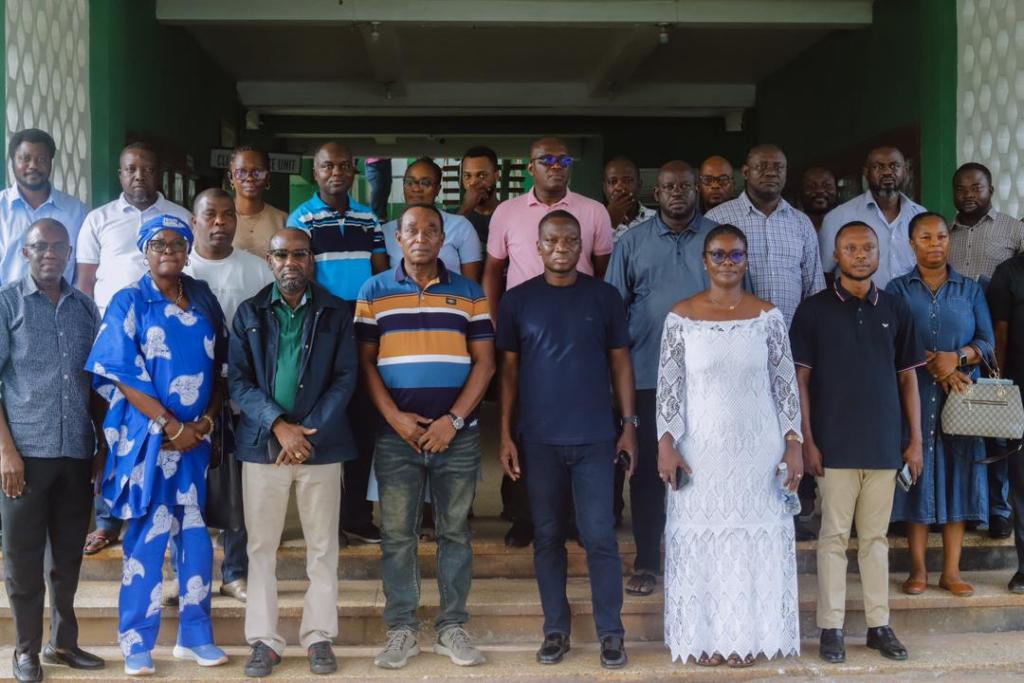
The engagement formed part of the Parliamentary Select Committee’s nationwide stakeholder consultations aimed at identifying practical solutions to Ghana’s sanitation challenges and improving service delivery across metropolitan, municipal and district assemblies.
Latest Stories
-
Conflicts among care providers linked to maternal, neonatal deaths – Expert
35 minutes -
GIS marks 10th TIME conference, champions improved teaching practices
43 minutes -
BRICS Or Balance? What Ghana’s bid really means
1 hour -
GPRTU wants full TRAFFITECH-GH implementation to start in 2027
1 hour -
Mahama announces plans to import electric wheelchairs for PWDs
2 hours -
KGL U17 Colts 2026: Western beat Prempeh Elite Academy to set up final final with Greater Accra Region
2 hours -
Late Solanke strike salvages 10-man Spurs draw at Man United
2 hours -
Gender Ministry to monitor welfare of Nana Akua Addo’s children amid domestic violence case
2 hours -
Benedict Okyere Yeboah: Ghana’s football problem goes beyond sacking a coach
2 hours -
GPL 2026/27: Darkwah Wiafe’s winner sees All Blacks beat Kotoko
2 hours -
ITF World Tour : Patel Wins Boys’ Singles Final at J100 Accra
3 hours -
Ghana must pursue BRICS partnership if it brings economic benefits – Kpebu
3 hours -
Success and Wright Claims J100 Accra Girls’ Doubles Championship
3 hours -
ITF J100: America’s Wright wins J100 Accra Girls’ Singles Title
3 hours -
Expedition hopes to find aviator Amelia Earhart’s plane on remote island
3 hours