

Audio By Carbonatix
Summer 2024 was the Earth's warmest on record, according to the Copernicus Climate Change Service.
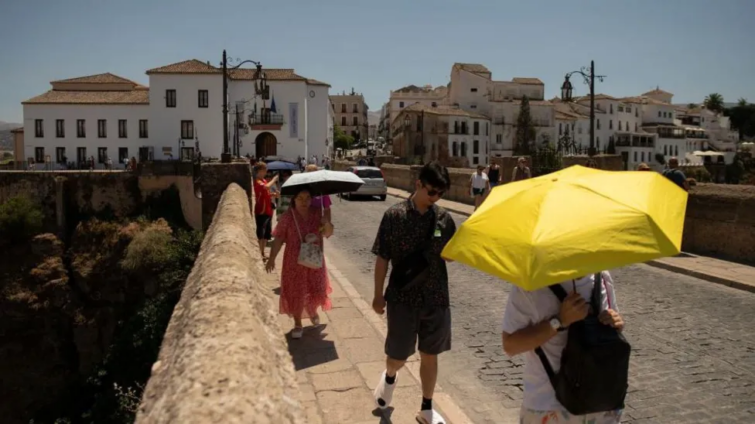
It was also the warmest across Europe at 1.54C above the 1991-2020 long-term average, exceeding the previous record from 2022.
August was also the 13th month in a 14-month period where the global average temperature exceeded 1.5C above pre-industrial levels.
Despite the UK having its coolest summer since 2015, much of Europe experienced a hotter-than-average summer.
Temperatures continue to rise
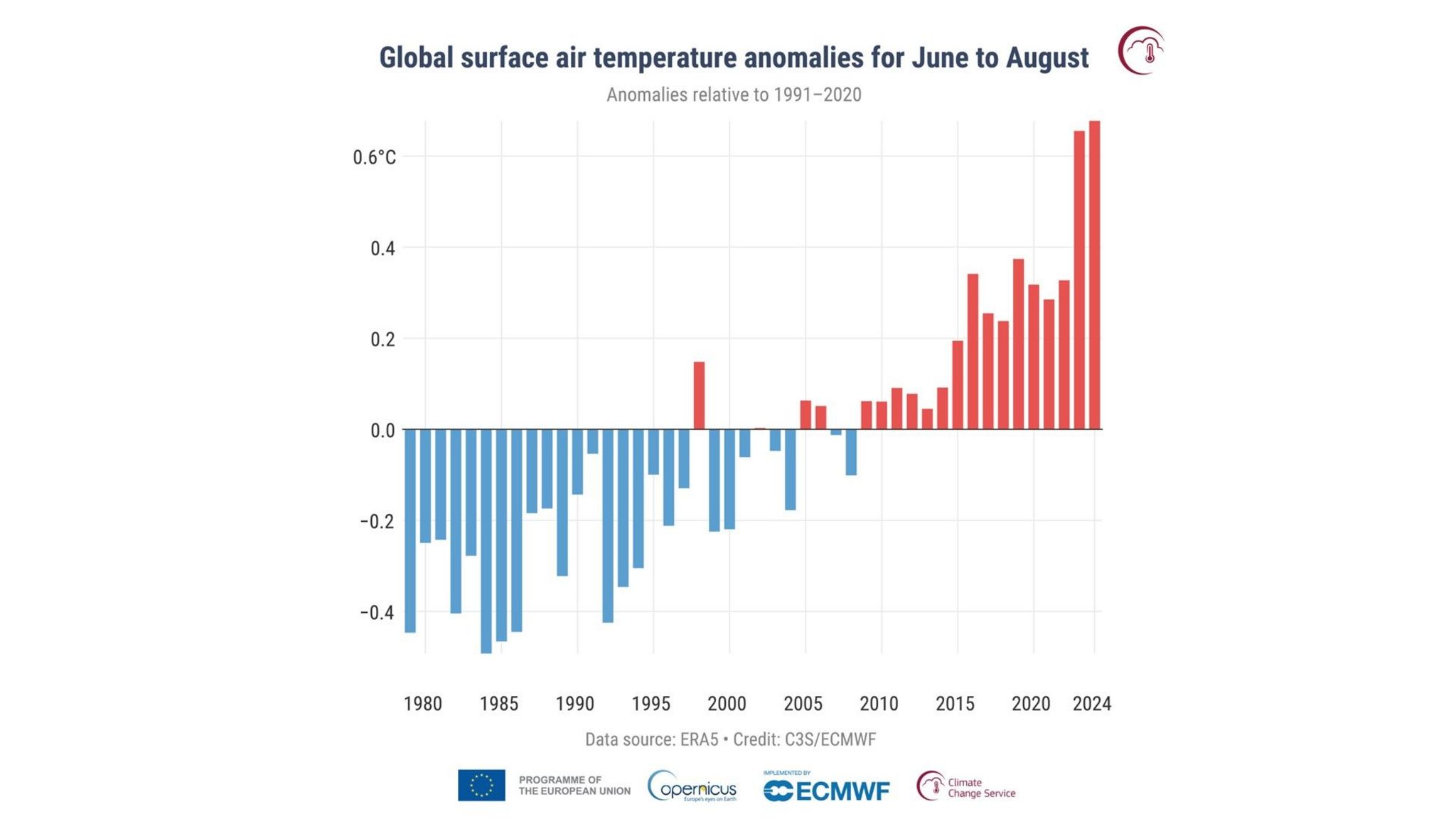
So far this year the global average temperature has been 0.7C above the 1991-2020 average, which is the highest on record.
It is therefore increasingly likely that 2024 will be the warmest year on record globally, according to Copernicus, external, the EU's climate service.
It was only last year when global average temperatures reached a record high.
Throughout the world, we have seen heatwaves and extreme weather having impacts.
Copernicus deputy director Samantha Burgess said: "Temperature-related extreme events witnessed this summer will only become more intense".
Across Europe, temperature records have been broken over the summer. Austria had their warmest on record.
Spain had its warmest August on record, Finland its joint warmest and Switzerland's second warmest.
While the heat across Europe was focused to southern and eastern areas, it was cooler across the Republic of Ireland, the UK, western parts of Portugal, Iceland and southern Norway.
End of El Niño warming
While human activities have been the most significant cause of global temperature rise, the record heat in 2023 and into 2024 has been boosted by the natural climate pattern of El Niño.
El Niño - a natural warming of sea surface temperatures in the eastern Pacific - was observed from June 2023 to May 2024.
During this time, higher sea surface temperatures added more heat to the atmosphere.
While it has now ended, its part in boosting global temperature will influence 2024 overall.
Scientists at the Australian Bureau of Meteorology believe the Pacific will enter the cooler phase of La Niña in the coming months.
Latest Stories
-
30 NDC aspirants file nominations in Upper West as regional election approaches
1 minute -
UPSA launches laptop assembly plant, requiring new students to assemble their own devices
7 minutes -
UCC sociologist calls for action on gender inequality to end child marriage
8 minutes -
LSN questions Ghana’s proposed five-year presidential term and DCE election reforms
9 minutes -
AFCON 2027Q: Bjorkegren to lead Black Stars for Somalia doubleheader with Tanko and Attram as assistants
11 minutes -
AMA completes road repairs on Kwame Nkrumah Avenue
17 minutes -
Law Students’ Network warns executive dominance could undermine constitutional review
20 minutes -
Mahama to meet relevant stakeholders over concerns about the new Customs Act
27 minutes -
CHASS demands a 20% increase in SHS funding and payment of outstanding debts
29 minutes -
Investigation launched after male body found in County Cork
31 minutes -
We have been scammed by NDC, government is only doing PR – Abanga Fuseini
31 minutes -
Tamale Teaching Hospital records 44 new breast cancer cases in six months
33 minutes -
GES declares October 30 CPD day for private school teachers; learners to observe holiday
34 minutes -
South Korea to support Ghana’s forts and castles restoration with $4.5m over five years
35 minutes -
School headscarf ban sparks rare protests in Azerbaijan and row with Turkey
43 minutes