

Audio By Carbonatix
The International Monetary Fund (IMF)’s Resident Representative in Ghana says restoring trust in public institutions depends on strong and sustained checks and balances in the management of public money, even after the current IMF programme ends.
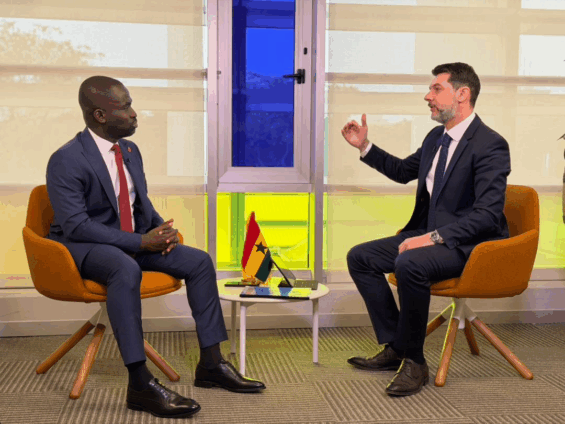
Dr Adrian Alter, speaking on Joy News’ PM Express Business Edition on Thursday, agreed with concerns that the frequency of IMF programmes in Ghana raises questions about policy credibility and the durability of past reforms.
“I agree,” he said, pointing to safeguards built into Ghana’s fiscal framework as critical tools for rebuilding confidence and preventing a repeat of past slippages.
“With the measures that were put in place, the checks and balances on the Fiscal Responsibility Act and the implementation of the independent Fiscal Council will eventually lead to more checks and balances for how the public money is spent,” he said.
According to him, these mechanisms are designed not only to restrain fiscal excesses but also to rebuild public trust over time.
“And eventually will lead to more trust in the public institutions and the government,” Dr Alter added.
His comments come amid public debate over why Ghana has had to return to the IMF repeatedly, despite earlier programmes that were meant to anchor reforms and stabilise the economy.
Host of the programme, George Wiafe, noted that if reforms were firmly grounded, concerns about policy credibility should not resurface just a few years after programme completion.
Dr Alter said the real test of the current programme would be whether the reforms outlive IMF supervision.
“So we hope that these efforts, these hard-won gains, will not be rolled back once the IMF program ends,” he said.
He stressed that sustaining fiscal discipline beyond the life of the programme is essential.
“And we hope this will continue beyond the program,” he added.
The IMF has repeatedly emphasised that lasting economic stability depends less on external oversight and more on domestic institutions that enforce discipline, transparency and accountability. Dr Alter’s remarks underscore the Fund’s view that Ghana’s long-term credibility hinges on preserving these checks and balances long after the IMF steps back.
Latest Stories
-
Mahama reaffirms commitment to private investment and industrial growth
1 minute -
‘We have been used and dumped’ – NDC’s James Agbey warns over grassroots neglect
10 minutes -
Ghana defender Marvin Senaya begins training ahead of comeback
13 minutes -
Joyce Bawah Mogtari urges women leaders to build strong support networks
30 minutes -
Bawumia engages GUTA over import duties, VAT and rising business costs
31 minutes -
Fuel prices begin to fall as Star Oil cuts petrol to GH¢16.45
32 minutes -
GoldBod supplies banks with US$282m in weekly forex sales
33 minutes -
Joyce Bawah Mogtari says Obaasima Conference should help women connect and learn
34 minutes -
Ghana’s Crude Oil Production Rebounds by 30% After Five Years of Decline
54 minutes -
Nzema East launches Responsible Cooperative Mining Programme to tackle environmental destruction
1 hour -
Ghana included in WHO lead-testing programme as questions remain over local exposure risks
1 hour -
2026 Amputee World Cup: We will win the trophy – Samson Deen
1 hour -
Controller and Accountant-General pays promotion arrears to 56,003 GES teachers ahead of deadline
1 hour -
2026 Amputee World Cup: We want to make the continent proud – Black Challenge coach
1 hour -
International Day of the Girl: Central Region Education Directorate calls for action to tackle child marriage, teenage pregnancy
2 hours