

Audio By Carbonatix
The Integrated Social Development Centre (ISODEC) has strongly opposed Ghana’s decision to seek an International Monetary Fund (IMF) Policy Coordination Instrument (PCI).
It describes it as a continuation of structural adjustment policies that could deepen dependence on external economic prescriptions and weaken the country’s fiscal independence.
At a press conference, the organization argued that while the Policy Coordination Instrument does not provide direct financing, it imposes policy conditionalities that may limit Ghana’s ability to independently shape its economic direction.
Policy Analyst in charge of Illicit Financial Flows at ISODEC, Charlotte Kpogli-Dzadey rejected assumptions that IMF-backed arrangements are necessary for economic credibility, describing such thinking as rooted in an outdated orthodox framework.
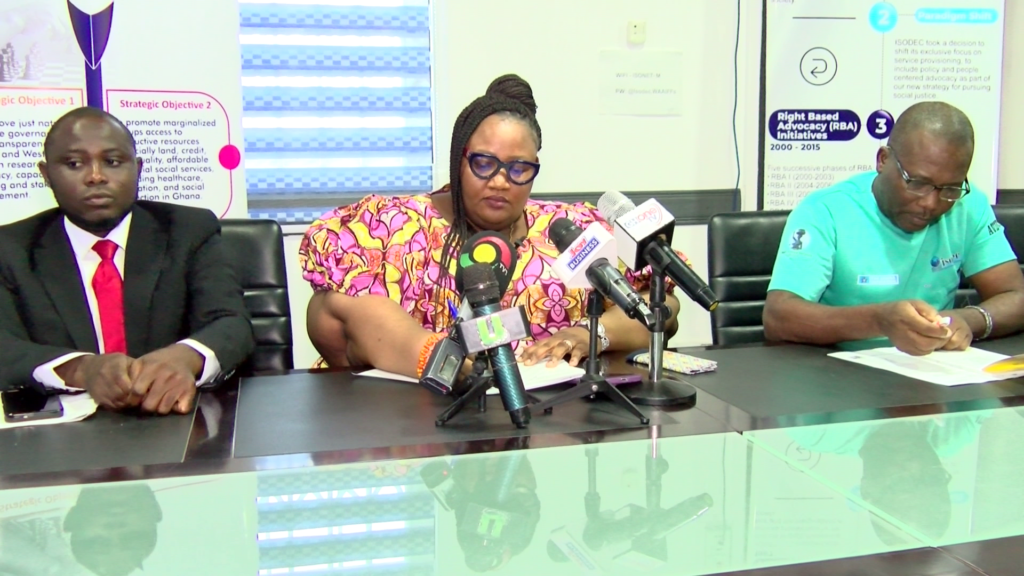
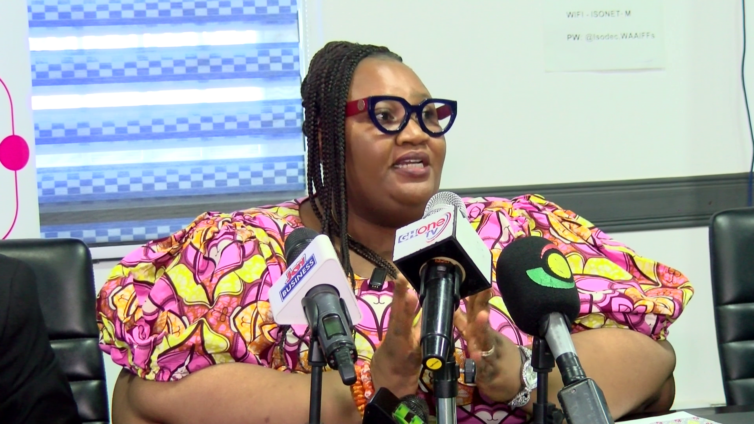
According to her, the PCI represents “structural adjustment by another name,” arguing that while the arrangement may not offer financial support, it still comes with conditionalities that remain a major concern.
She stressed that rather than seeking IMF certification of creditworthiness, Ghana should focus on strengthening domestic fiscal capacity through structural reforms. These, she said, include formalizing the economy to expand the tax base, tackling illicit financial flows, investing in productive sectors to reduce import dependency, and implementing targeted public employment interventions.
As part of its recommendations, ISODEC called on government to pursue what it described as a genuinely alternative fiscal strategy.
The organization proposed stronger domestic revenue mobilization efforts, adoption of a functional finance framework for budgeting, and a review of government spending decisions based on employment, productivity, and inflation outcomes rather than IMF deficit targets.
The group also renewed its proposal for a national job guarantee programme. According to ISODEC, it had previously submitted a framework to the Ministry of Finance for a programme estimated at GH¢2.72 billion, intended to support about 500,000 participants.
Additionally, the organization called for a parliamentary review of the long-term impact of IMF conditionalities on Ghana’s fiscal autonomy, public service delivery, and structural transformation before any new arrangement is pursued.
Reinforcing the organization’s position, Policy Analyst at ISODEC, Dr. Adamu Braimah Abille reiterated that Ghana must pursue alternative economic pathways instead of continually relying on the IMF.
He argued that if a country is a sovereign currency issuer, it should not run out of its own currency, insisting that Ghana must shift from dependence on external institutions toward heterodox economic policies.
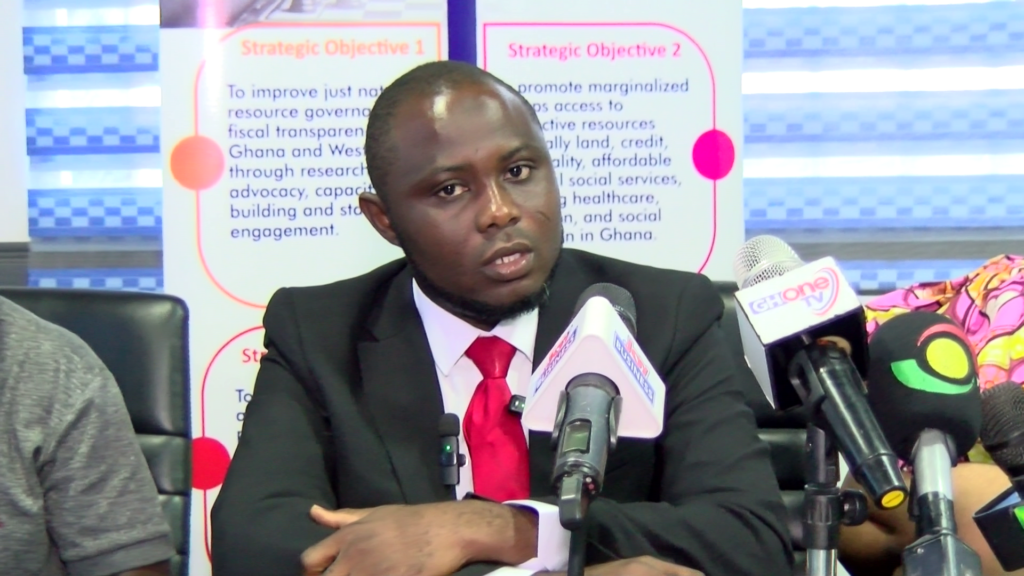
Using a medical analogy, he said Ghana should not behave “like a patient discharged from a hospital who refuses to go home,” stressing that IMF arrangements cannot become a permanent solution to the country’s economic challenges.
Dr. Abille maintained that the policies being proposed by ISODEC should be pursued out of conviction rather than convenience, insisting that Ghana has the capacity to adopt alternative economic models.
“So IMF is not the alternative,” he stressed.
The comments come amid ongoing debate over Ghana’s decision to seek an IMF Policy Coordination Instrument, with differing views emerging over whether the arrangement will strengthen economic credibility or deepen dependence on external policy frameworks.
Latest Stories
-
UG warns public against fake resumption and hall fees notice
10 minutes -
‘Follow Ghana’s steps’ – IMF Africa Director hails economic gains
41 minutes -
Kwame Nkrumah’s son Gamal dies; burial scheduled for Saturday in Egypt
48 minutes -
Ghana will beat IMF’s upgraded 5.7% growth forecast – Ato Forson
49 minutes -
Middle East tensions, global risks to shape November policy rate decision – BoG Governor
53 minutes -
MTN Ghana to invest $1.1bn over three years, deploy 500 new sites in 2026
60 minutes -
15 arrested over alleged sand-winning activities along new Accra-Kumasi Expressway project
1 hour -
Agriculture Slows to 3.9% as Ghana’s Economy Grows by 6%
2 hours -
Government launches rCOMSDEP to promote responsible mining in Western Region
2 hours -
Foreign Affairs Ministry procures 20 pickups to improve passport services
2 hours -
Oil prices retreat as investors weigh supply outlook, Middle East tensions
2 hours -
Mahama Ayariga highlights Jimi reclamation project as effort to tackle flooding
2 hours -
Ayine pushes duty-lawyer scheme to protect suspects at police stations
2 hours -
Stephen Amoah criticises 20% digital services tax as excessive
2 hours -
Ghana secures $3.5bn investment commitments to revive oil and gas sector – Jinapor
3 hours