

Audio By Carbonatix
The University of Ghana School of Public Health has dismissed allegations that it is tracking school children with ill-intents through an ongoing study.
The research is the Accra Urban Adolescent Nutrition study.
The study seeks to describe the nutritional status, dietary intake, physical activity patterns, and food environment of about 1,000 adolescents from low- and middle-class households in 10 selected neighborhoods in the Greater Accra Region.
The selected communities are Chorkor, Abelemkpe, South La, New Mamprobi, Achimota, Old Nungua, West Legon, Kokomlemle, New Town, and Nungua.
As part of the process to collect the data, participants in the study will wear a fixed belt with an accelerometer and GPS that will track their physical activity and movement trajectories over the period of the study.
This belt, for some, is with malevolent intentions.
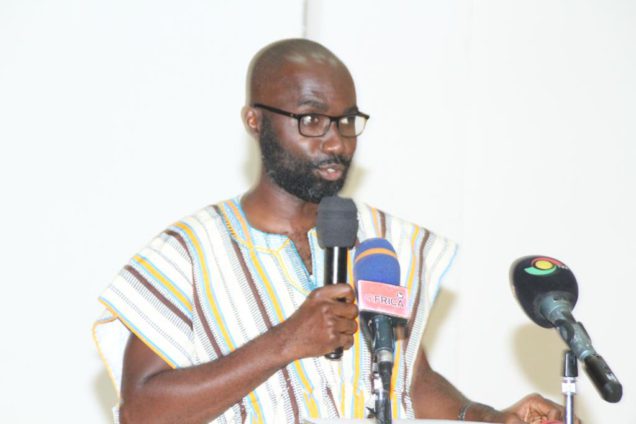
But addressing the press in Accra Friday, the project lead, Prof. Richmond Aryeetey, described the allegations as false.
“The devices and procedures are not intended to harm the children in any way. It is false that the devices given in the study are being used to track/monitor the children with ill-intent. On the contrary, the findings of the study will inform national policy and programmes on adolescent nutrition in Ghana,” he said.
He emphasized that the study has been approved and is being supported by relevant stakeholders including Noguchi, Ghana Health Service, and the Ghana Education Service.
“In line with international best practices and ethics of human subjects research, every child who participates must have both the parent/caregiver and the child give written informed consent and assent (that is their permission) for the household to be eligible for the study,” he said.
Giving further details about the study, Prof. Aryeetey said that participation is purely voluntary and is being undertaken by professionals
"During this 7-day period, the adolescents are invited to a central location in the community where trained biomedical scientists take a small amount of blood sample for laboratory assessment of their nutrient status."
"The study does not recruit just anyone for inclusion. They have to meet clear inclusion criteria for age, location, and consent," Prof. Aryeetey explained.
Latest Stories
-
‘I am disappointed’ – Yaw Ampofo Ankrah breaks silence after NSA suspension
13 minutes -
Douglas Boateng receives IMM Institute Supply Chain Lifetime Achievement Award
27 minutes -
Pentecost University to host international sustainability conference
58 minutes -
Ampofo Ankrah did not collect World Cup visa money – Lawyer
1 hour -
Baffour Awuah to spend night in EOCO custody – Atta Akyea
1 hour -
Torgbiga Wenya III opposes proposed elevation of 36 Anlo chiefs to Paramount status
1 hour -
The strengthening El Niño and what it could mean for Ghana
1 hour -
Baffour Awuah formally charged with money laundering, loss of public funds – Lawyer
1 hour -
Drone flight over EOCO building could attract 30-year jail term – Security consultant
1 hour -
Flying drone over EOCO premises is strictly prohibited – Security consultant
2 hours -
SIC file was surrendered to client, EOCO has no reason to search Manhyia South MP’s firm – Atta Akyea
2 hours -
EOCO search of Baffour Awuah’s law firm raises confidentiality concerns – Atta Akyea
2 hours -
“I will never ignore an invitation from EOCO if I had received one” — Manhyia MP
2 hours -
Baffour Awuah ready to cooperate fully with EOCO investigation – Bosome Freho MP
2 hours -
How a Ghanaian technology is helping fish farmers detect hidden threats before fish die
2 hours