

Audio By Carbonatix
Hopes of a diplomatic breakthrough in the U.S.-Israeli war with Iran receded as a new week began, with talks aimed at ending the two-month conflict at a standstill and both Tehran and Washington showing little willingness to soften their terms.
Iranian Foreign Minister Abbas Araqchi left mediator Pakistan empty-handed at the weekend, and U.S. President Donald Trump canceled a planned visit to Islamabad by his envoys Steve Witkoff and Jared Kushner, dealing back-to-back blows to peace prospects.
The deadlock leaves the world’s biggest economy and a major oil power locked in a confrontation that has already pushed energy prices to multi-year highs, stoked inflation and darkened global growth prospects.
Iranian President Masoud Pezeshkian told Pakistani Prime Minister Shehbaz Sharif by phone that Tehran would not enter “imposed negotiations” under threats or blockade, according to a statement from the Iranian government.
Pezeshkian said the United States should first remove “operational obstacles,” including its blockade on Iranian ports, before negotiators can lay any groundwork to resolve the conflict.
Araqchi described his visit to Pakistan as “very fruitful.” An Iranian diplomatic source in Islamabad said Tehran would not accept “maximalist demands” from the United States.
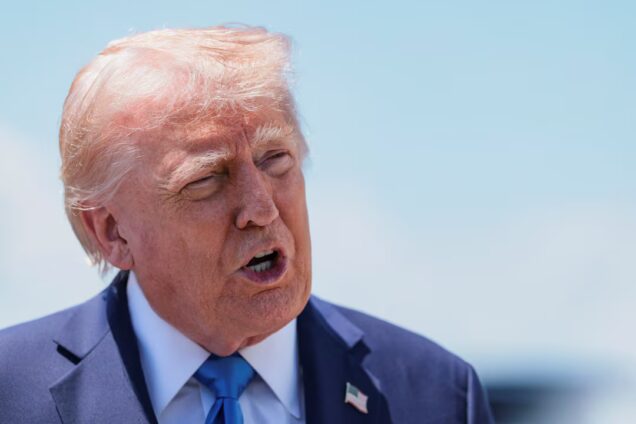
Trump told reporters in Florida that he scrapped the envoys’ visit because the talks involved too much travel and expense to consider an inadequate offer from the Iranians. After the diplomatic trip was called off, Iran “offered a lot, but not enough,” Trump said.
On Truth Social, he wrote that there was “tremendous infighting and confusion” within Iran’s leadership.
“Nobody knows who is in charge, including them,” he posted. “Also, we have all the cards, they have none! If they want to talk, all they have to do is call!!!”
Pezeshkian said on Thursday that there were “no hardliners or moderates” in Tehran and that the country stood united behind its supreme leader. Iran’s top negotiator Mohammad Baqer Qalibaf and Araqchi echoed the message in recent days.
Adding to regional strains, Israeli Prime Minister Benjamin Netanyahu ordered his troops to attack Hezbollah targets in Lebanon, his office said, further testing a three-week ceasefire.
Tehran has largely closed the Strait of Hormuz, which normally carries one-fifth of global oil and liquefied natural gas shipments, while Washington blocks Iran’s oil exports.
White House press secretary Karoline Leavitt earlier said the U.S. had seen some progress from the Iranian side and that Vice President JD Vance was ready to travel to Pakistan. Vance led an unsuccessful first round of talks in Islamabad this month.
The U.S.-Iran conflict, in which a ceasefire is in force, began with U.S.-Israeli airstrikes on Iran on February 28. Iran has since struck Israel, U.S. bases and Gulf states.
Latest Stories
-
Greater Accra teachers resume work after strike suspension
41 seconds -
Education Minister assures teachers of salary adjustments by October 16
6 minutes -
Abass Osabutey declares bid for NDC Deputy National Organiser position
8 minutes -
Education Minister inaugurates NDU Governing Council, announces $25m seed funding
16 minutes -
THE LAW 101: La Beach Demolitions – The State’s own documents, the courts’ orders – and the bulldozers
19 minutes -
DVLA contributes GH¢17.7m to Consolidated Fund in 2025
22 minutes -
Why disaster risk reduction must connect early warnings, preparedness and financial protection to household-level resilience
29 minutes -
The AI Gold Rush: Who strikes gold and who gets left behind?
53 minutes -
Australia visa scandal: Pius Hadzide says failed checks left him carrying the blame
1 hour -
Pius Hadzide rejects blame for journalists’ visas in 2018 Australia scandal
1 hour -
What Is Wrong With Us: We queue for the Colosseum while our own Castles crumble
1 hour -
Dangote IPO fever could deepen Africa’s capital markets, Citi Bank executive says
2 hours -
US hopes diesel deal can ‘soften’ Moscow on peace talks, sources say
2 hours -
Oil falls as Russia diesel supply prospects counter Gulf supply risks
2 hours -
Moroccan centrist party agrees to form coalition government with three other parties
2 hours