

Audio By Carbonatix
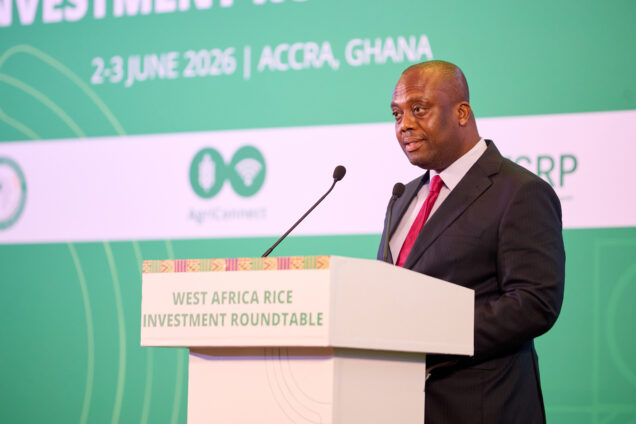
Deputy Minister for Finance, Thomas Nyarko Ampem has advised stakeholders participating in the 2026 West Africa Rice Investment Roundtable in Accra to close the gap between rice production and consumption to reduce huge imports of the grain.
He revealed that West African countries spend about US$3 to 4 billion annually importing rice, a situation that can be reversed to create jobs and improve the living conditions of farmers in the region.
“That is billions in foreign exchange leaving our economies each year to finance demand we should increasingly be meeting ourselves. Therefore, the real Jollof competition before us is not whose rice tastes better. It is whether West Africa can finally produce enough rice to feed itself competitively”, he said.
Outlining some serious challenges the importation of rice create for the economies in West Africa, Mr. Ampem said the current situation is economically unsustainable and strategically untenable.
He added that the widening gap between the productive capacity of West African countries and consumption, are placing enormous pressure on economies in the sub-region.
“It drains scarce foreign exchange, weakens domestic value chains, exposes our countries to external supply shocks, and limits the jobs and prosperity that should arise from a commodity we consume so heavily”, he said.
“We know that West Africa is not short of potential in rice production. We have the land. We have the water resources. We have the farmers. What we have lacked, for far too long, is sufficient transformational capital capable of unlocking this potential at scale” he added.
Providing some solutions, Mr. Ampem called for transformational capital investment for long term sustainability of the sector.
He explained that such investment will require patient capital that funds irrigation, and not just seasonal inputs;
“It means risk-tolerant capital that invests in storage, milling, logistics and processing, not just commodity trading. It means strategic regional capital that sees a West African rice economy, not fragmented national markets separated by borders”, he proposed.
According to him, transformational capital investment will not only improve the welfare of farmers but will make rice production and processing attractive to investors.
“That is the scale of ambition this moment demands. I am confident that if we fundamentally rethink how we see rice. This region can unlock and attract the capital required to transform the sector”.
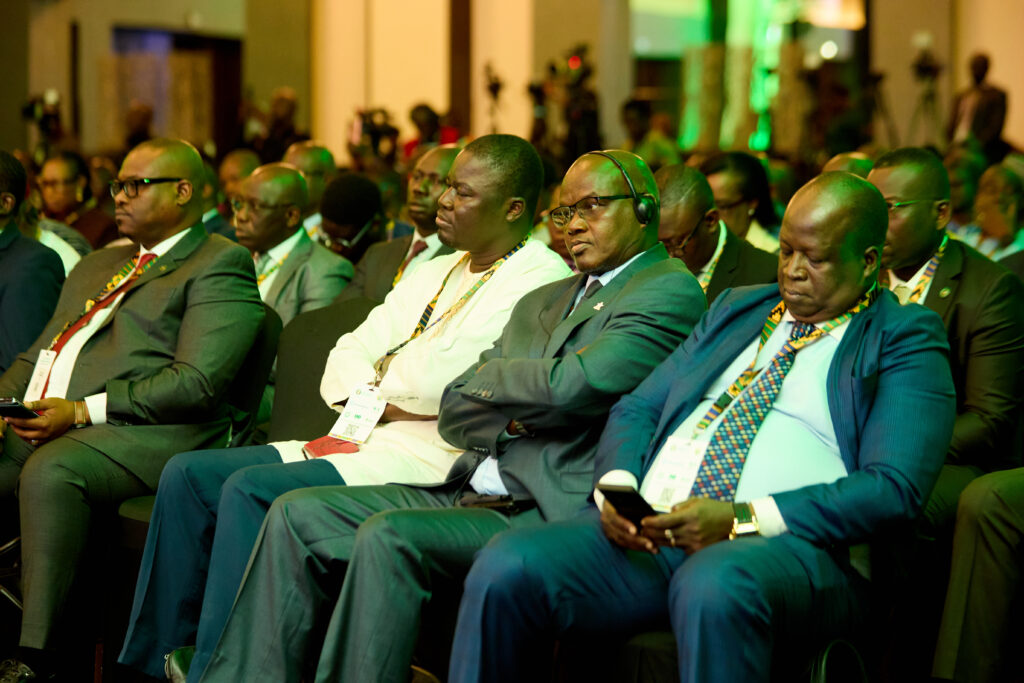
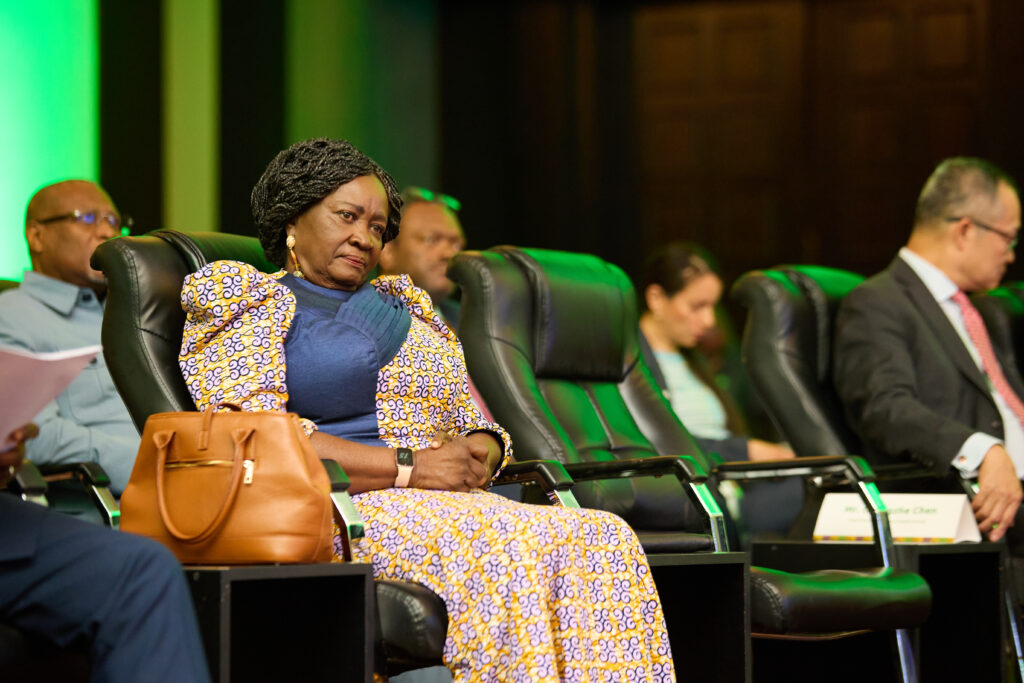
The ECOWAS Commission at the West Africa Rice Investment Roundtable held on June 2, 2026 brought together representatives of ECOWAS Member States, representatives of Regional and International Financial Institutions, development partners, private sector leaders, and investors
Latest Stories
-
He entered at eight. He is now 16: Ghana’s children growing up in prayer camps
2 hours -
‘Development must not always begin from Accra’ — Anwelle Foundation launched in Jirapa
2 hours -
PKO trio eye victories at Odwira Festival
4 hours -
346 Ghana Navy recruits pass out after 26 weeks of intensive training
4 hours -
Newsfile to discuss EOCO-MP arrest, drug trafficking, speech arrests and $235m water debt
5 hours -
JoyNews gets results as listeners raise GH¢40,000 to help 17-year-old student with cerebral palsy attend SHS
5 hours -
Vice President calls for stronger local pharmaceutical production to reduce medicine imports
6 hours -
The brewing tension at KNUST; Beware the Ides of October….
6 hours -
Health Ministry moves to integrate traditional medicine into mainstream healthcare
6 hours -
550 pupils in Kintampo South get educational lifeline as ‘Seeds of Hope’ reaches farming communities
7 hours -
Opoku Mensah urges Christian Council, House of Chiefs to speak up on democratic freedoms
7 hours -
Teacher unions’ strike: Minority demands immediate payment of teacher arrears, 20% deprived area allowance
7 hours -
The Accra-Kumasi Expressway: Building it right
7 hours -
Beyond gold exports: Building value and economic resilience from Ghana’s gold
7 hours -
2027 AFCONQ: Ghana under pressure as Gambia beat Somalia 2-1
8 hours