

Audio By Carbonatix
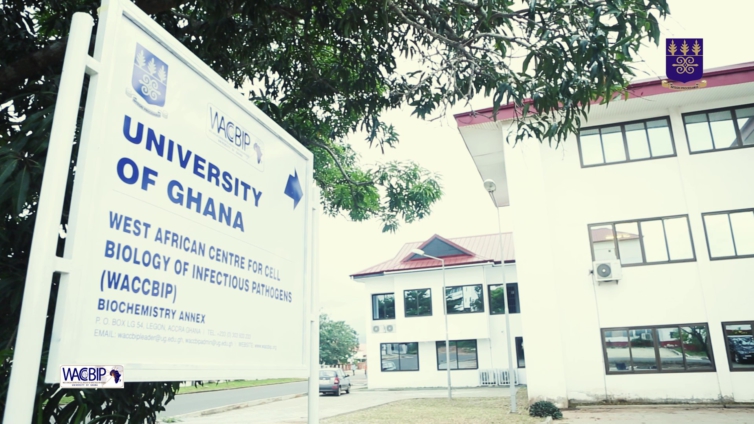
Scientists from the West African Centre for Cell Biology of Infectious Pathogens (WACCBIP), University of Ghana, and their collaborators have published a landmark paper; titled “Tracking Genetic Diversity of SARS-CoV-2 Infections in Ghana from 2020-2021.
The paper was published on May 6, 2022, in the prestigious journal Nature Communications.
This study presents a detailed analysis of the genomic diversity of SARS-CoV-2 viruses that have caused COVID-19 morbidity and mortality in Ghana.
The work represents one of the most advanced genomic analyses of SARS-CoV-2 in sub-Saharan Africa and demonstrates the progress made in science capacity building in the region.
The study also shows the power of local collaborations as the work was done by an extensive network of public health institutions across Ghana.
The SARS-CoV-2 pandemic is one of the fastest evolving pandemics in recent history. The dynamics of localised epidemics need to be continuously tracked to inform government policies on vaccine coverage and enhanced transmission control approaches.
This manuscript reports on the analysis of 1123 SARS-CoV-2 whole genomes from patient isolates and presents the largest and most detailed genomic analysis of SARS-CoV-2 in Ghana since the pandemic began. However, it should be noted that these samples were analysed entirely before the emergence of Omicron (March 2020-September 2021).
Overall, the data describes the molecular evolution and spatio-temporal dynamics of the SARS-CoV-2 variants in Ghana.
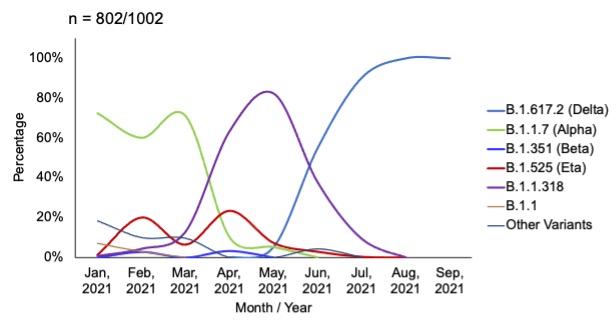
The results indicate that local outbreaks were mainly driven by SARS-CoV-2 variants introduced into the country by travellers arriving from various countries across the world. In addition to Alpha, Delta variants which have dominated transmission globally at different times, we observed that the B.1.1.318 lineage was a significant contributor to community transmission in Ghana. Indeed, our data show that B.1.1.318 displaced Alpha and became the predominant lineage in Ghana until the emergence of Delta variants.
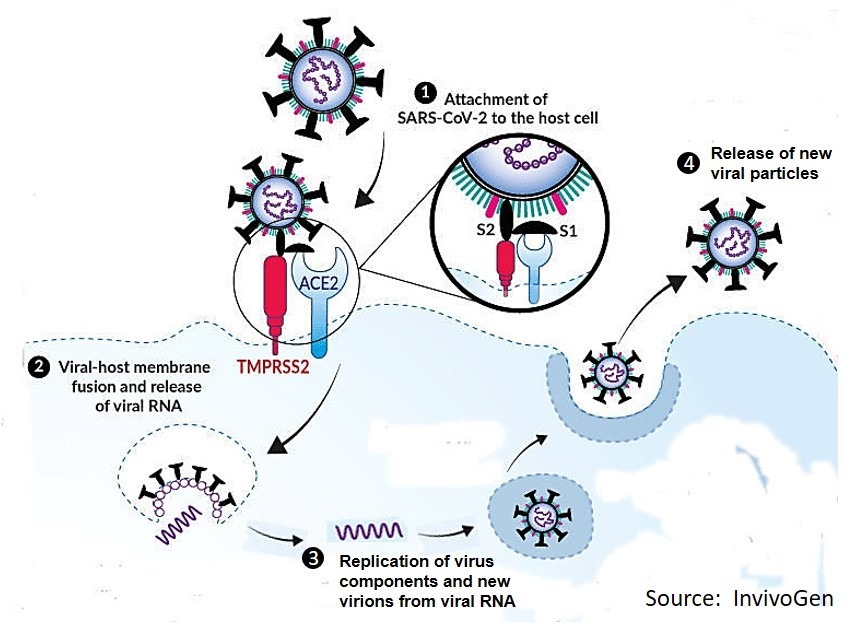
The high quality of our sequence data allowed us to perform a deep analysis of mutations which revealed that all the variants of concern circulating in Ghana harboured high-frequency mutations on the spike protein gene.
Thus, this publication serves as a valuable reference for continued monitoring of the evolution of SARS-CoV-2 as the pandemic progresses in Ghana and Africa at large.
Furthermore, this work represents a significant milestone in local capacity building for genome sequencing and analysis in sub-Saharan Africa as the entire work was done in Ghana and by local scientists.
We wish to convey our gratitude to all our institutional partners who collaborated with us to achieve this feat. We would also like to acknowledge our coalition of funders, who provided the much-needed funding and logistical support to make this happen. We would like to specially mention the Government of Ghana/Ghana Health Service, The Rockefeller Foundation, Institut de Recherche pour le Développement (IRD), African Research Universities Alliance (ARUA), UK National Institute of Health Research (NIHR), Wellcome Developing Excellence in Leadership Training and Science in Africa initiative (DELTAS) and the World Bank African Centres of Excellence (ACE) Impact.
Latest Stories
-
Power restoration fault suspected in Kumasi Central Market fire
42 minutes -
The 7-foot giant of Ngleshie Amanfro: Seven-foot Ghanaian Ephraim Saawa dreams of joining the national basketball team
1 hour -
Government promises support for Kumasi Central Market fire victims
1 hour -
Vibes The Movie: Big Ghun’s Ghanaian film earns five nominations at 2026 REFFA
2 hours -
MamaCare CEO warns unresolved conflicts among health workers could undermine maternal and neonatal care
2 hours -
Health professionals urged to translate medical knowledge into practice to save mothers
2 hours -
Conflicts among care providers linked to maternal, neonatal deaths – Expert
4 hours -
GIS marks 10th TIME conference, champions improved teaching practices
4 hours -
BRICS Or Balance? What Ghana’s bid really means
5 hours -
GPRTU wants full TRAFFITECH-GH implementation to start in 2027
5 hours -
Mahama announces plans to import electric wheelchairs for PWDs
5 hours -
KGL U17 Colts 2026: Western beat Prempeh Elite Academy to set up final final with Greater Accra Region
5 hours -
Late Solanke strike salvages 10-man Spurs draw at Man United
5 hours -
Gender Ministry to monitor welfare of Nana Akua Addo’s children amid domestic violence case
6 hours -
Benedict Okyere Yeboah: Ghana’s football problem goes beyond sacking a coach
6 hours