
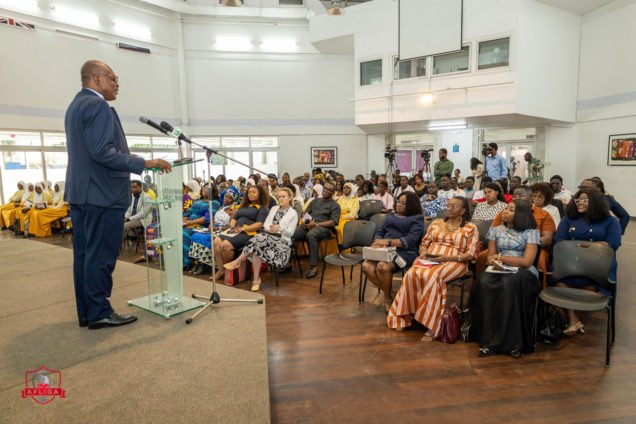

Audio By Carbonatix
Panellists discussing the future of work, Africa’s development, and youth empowerment have called for a complete overhaul of Africa’s educational system to integrate entrepreneurship and innovation, in order to create sustainable jobs and meet current labour market demands.
They agreed that the existing system — heavily focused on certificates and degrees, with little emphasis on job creation, innovation, and skills development — fails to make education a catalyst for development and long-term growth.
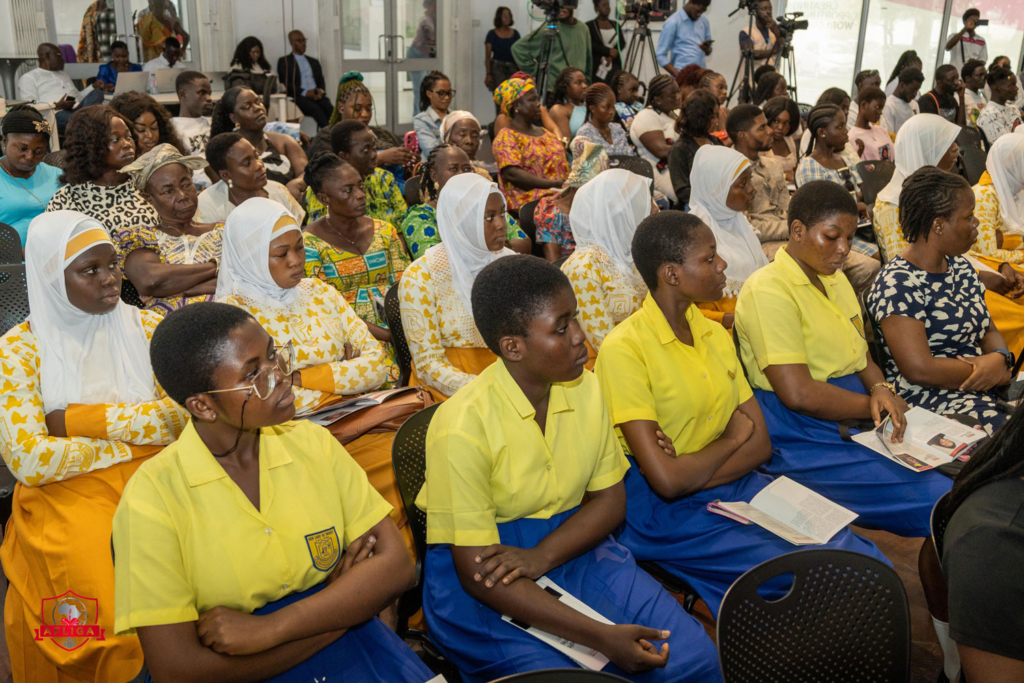
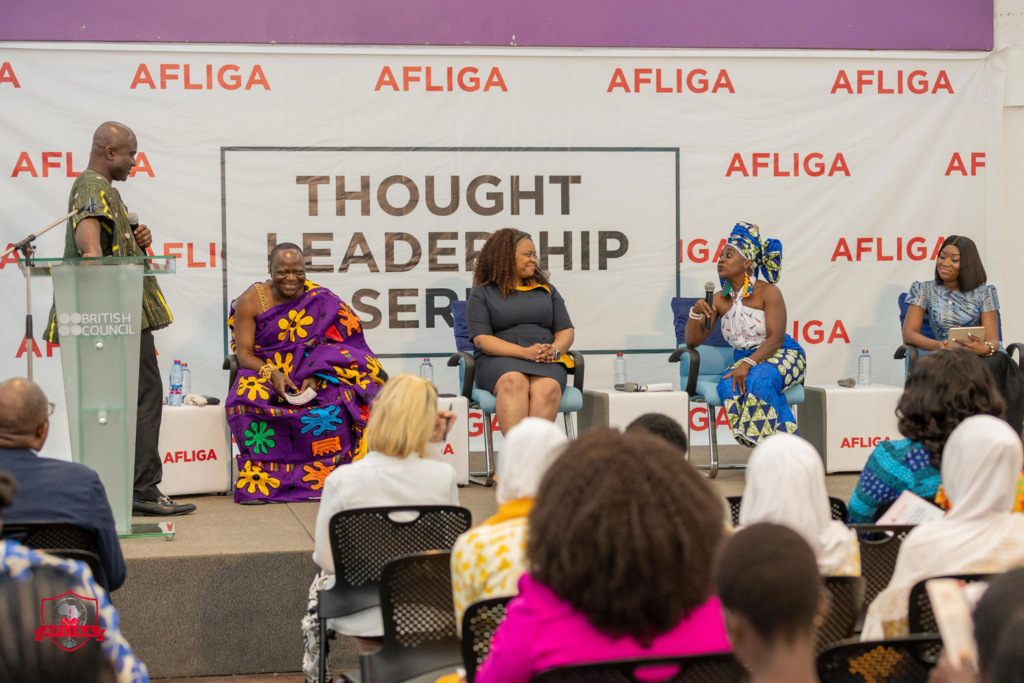
The panellists, Dr Ayodele Odusola, UNDP Resident Representative in Zimbabwe; Dr Joseph Attah-Mensah, Senior Fellow at the African Centre for Economic Transformation; and Ms Tiekie Barnard, Founder and CEO of the Shared Value Africa Initiative in South Africa, were unanimous in their view that Africa’s educational system must undergo radical change.
The discussion, which formed part of the third edition of the “Fireside Conversation” organised by the Africa Future Leaders Institute of Global Affairs (AFLIGA), provided a platform for in-depth analysis of education, sustainable job creation, self-employment, entrepreneurship, and security across the continent.
The session was moderated by Dr Emmanuel Dei-Tumi, Founder and CEO of AFLIGA.
Dr Ayodele Odusola observed that the continent’s lack of progress stems from its failure to harness the potential of its youth.

He emphasised the need for a complete transformation of the educational system, shifting focus from the mere acquisition of degrees and certificates to practical, skills-based learning.
He advised that young people and graduates should be exposed to entrepreneurship and vocational training.
“We must leverage the capacity of Africa’s youth and graduates for the future of work by prioritising skills development, data management, and artificial intelligence. We must invest heavily in young people so they become assets instead of security threats,” he said.
Dr Odusola stressed that Africa “needs an education that is fit for purpose.”
Dr Joseph Attah-Mensah also argued that young entrepreneurs should be given incentives to create employment opportunities.
He said such incentives must be merit-based and gender-inclusive, adding that both government and industry must work together to support young innovators.
Ms Tiekie Barnard, for her part, said the current generation of African youth is already demonstrating leadership, resilience, and innovation.
She cautioned that the real threat to the continent lies in the refusal to invest in young people, stressing that development in the modern age “no longer belongs to degrees and certificates, but to creative thinking, innovation, and adaptability.”
Latest Stories
-
WAEC cancels 2026 results of 8,295 candidates over examination irregularities
20 minutes -
WAEC releases provisional 2026 WASSCE results for 512,862 candidates
33 minutes -
CJ’s remarks on SOEs were made in good faith, not to undermine judicial independence – Judicial Service
4 hours -
Bright Future Alliance pays courtesy call on Akufo-Addo, invites him to African Leaders of Influence Lectureship Series
4 hours -
This is an attempt to break the Minority caucus – Patricia Appiagyei on alleged GH¢70k payment
4 hours -
‘OSP hasn’t contacted me’ – Patricia Appiagyei assures cooperation if invited
5 hours -
I find it strange that this memo was purportedly written by me – Patricia Appiagyei
5 hours -
Ayariga calls for stronger church partnership to tackle sanitation, environmental challenges
5 hours -
I don’t think we have an industry – Patchbay Band manager
5 hours -
Patchbay Band questions recognition of live bands in Ghana’s music industry
5 hours -
Newsfile to discuss SOEs’ GH¢19.8bn profit, dissolution of 9 boards, CJ’s visits to SOEs, GH¢70k gift rejection
6 hours -
BoG warns against spraying, defacing and using cedi notes for decorations
6 hours -
Adwumawura: Selected applicants to receive notifications from today – NEIP CEO
6 hours -
‘Fake memo’ fabricated to smear me – Patricia Appiagyei
6 hours -
ATLF2026: Culture, investment and tourism take centre stage as Africa’s tourism leaders gather in Polokwane
6 hours