

Audio By Carbonatix
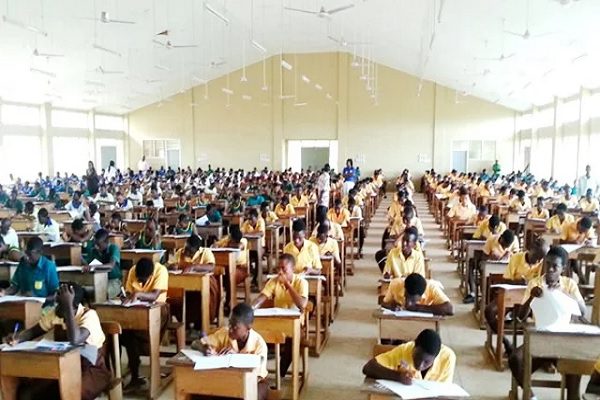
The publication of BECE results creates excitement across Ghana. This should be a time of pride. However, a troubling trend has surfaced: people are taking screenshots of students' results, especially poor grades, and posting them on social media. This is not sharing success; it is exploiting vulnerability for public shaming and bullying.
This act of turning academic performance into a tool for ridicule is inflicting deep emotional wounds on a generation of Ghanaian children. It forces a painful examination of our values and the protections meant for our most vulnerable.
The shift from celebration to cyberbullying is stark and cruel. The goal is not to critique but to destroy. The comment sections of these posts become battlegrounds for hurtful remarks and harsh comparisons, where children are labelled in the worst ways: "foolish," "dull," or a "disgrace." This hatred often extends to damage the reputations of their families and schools.
Bullying is no longer confined to the schoolyard; it becomes a 24-hour spectacle in a vast, unforgiving digital arena. We risk fostering a mental health crisis, where anxiety and depression take hold, sometimes leading to tragic outcomes. The trauma from such humiliation can destroy self-esteem, creating a fear of future challenges.
When a child hears they are a failure enough times, they may start to believe it, leading to the painful abandonment of their unique dreams and talents, which often do not fit neatly into test-based subjects. Even more troubling is the lasting digital footprint of this trauma.
The internet has a long memory; a simple search years later could revive a painful moment, potentially affecting university applications, job prospects, and personal relationships. A child's worth becomes tied to a single set of grades, promoting a culture of fear that suppresses creativity and replaces healthy learning with a paralysing fear of failure. Beyond the evident moral issues, there is a startling legal reality: this behaviour is illegal. Ghana’s laws exist to protect children, although they are often overlooked.
The Children’s Act clearly states that the best interests of the child must come first and guards against "mental violence," a term that aptly describes the pain of public shaming.
The Cybersecurity Act 1038 makes it illegal to use devices for harassment, such as bullying.
The Data Protection Act classifies exam results as private data, making their unauthorised sharing a serious violation of privacy. Yet, these laws are often not enforced. Victims, shamed into silence, may not know their rights or feel overwhelmed by the complex process of seeking justice against fleeting online trends.
Thus, we need a collective awakening. We require a collaborative effort to protect children. Parents should not brag about high scores but demonstrate empathy and reject harmful comparisons.
Schools and PTAs should promote digital citizenship, teaching students and parents about the long-term effects of what they share online.
Everyone using social media must act as responsible bystanders, report abuses and offer support, understanding that silence contributes to the problem.
Our legal bodies must enhance public awareness and create easy paths to justice. A single exam grade is just a snapshot of a child’s life, not the measure of their future. As a society, we must ask ourselves a crucial question: What kind of country do we want to be if our first reaction to a child's stumble is to label them as failures instead of helping them? The answer shapes not only their future but also the character of our nation.
The writer, Nelson Herald Darko, is a senior manager, Child Online Protection, Cyber Security Authority
Latest Stories
-
51,000 teachers’ promotion arrears to be validated for October payment – Education Minister
27 minutes -
Kwabena Boamah appointed Board Chair for Impact Investing Ghana
34 minutes -
Striking teacher unions to meet Fair Wages and Salaries Commission on October 6
48 minutes -
EOCO working with AG to arraign Nana Baffour Awuah before weekend court
51 minutes -
Duraplast reassures customers after fire, announces October 5 reopening
60 minutes -
Call off strike, gov’t will not renege on promotion arrears pledge – Haruna Iddrisu appeals to teacher unions
1 hour -
Committee set up to validate teachers eligible for 20% deprived-area allowance – Education Minister
1 hour -
Five-member committee to search for new Black Stars coach after Sports Ministry-GFA meeting
2 hours -
Pinktober: Breast cancer survival exceeds 90% when detected early – Breast Society of Ghana
2 hours -
TCDA to adopt Upper West’s MATCO mango farm as northern prototype, issues warning against felling shea trees
2 hours -
‘Fear delegates’ tag: Afoko touts genuineness among delegates ahead of NPP delegates conference
2 hours -
John Boadu: The leader our party needs at this time – Amb. Edward Akwasi Boateng
2 hours -
Baffour Awuah: EOCO arrested, detained MP after hours of waiting, questioning – Afenyo-Markin
2 hours -
EOCO court warrant authorised search of Baffour Awuah’s law firm, not residence – Afenyo-Markin
3 hours -
NPP delegates conference: 3,000 to 4,000 police personnel deployed for security in Kumasi – Anthony Karbo
3 hours