

Audio By Carbonatix
In Ghana, owning a car has long been considered a symbol of financial success. But times are changing.
From people flying into the country for business, to entrepreneurs whose cars break down days before an important pitch, to everyday drivers whose salon cars can’t handle rough roads outside the city constantly, more people are realising that they don’t always need to own a car to get things done.
Today, the need for mobility is diverse and dynamic. Sometimes you need an SUV for a road trip. Other times, a clean sedan for a quick client meeting. Instead of taking on the cost and commitment of ownership, especially with rising maintenance fees, unpredictable fuel prices, and high import duties, more Ghanaians are simply renting what they need, when they need it.
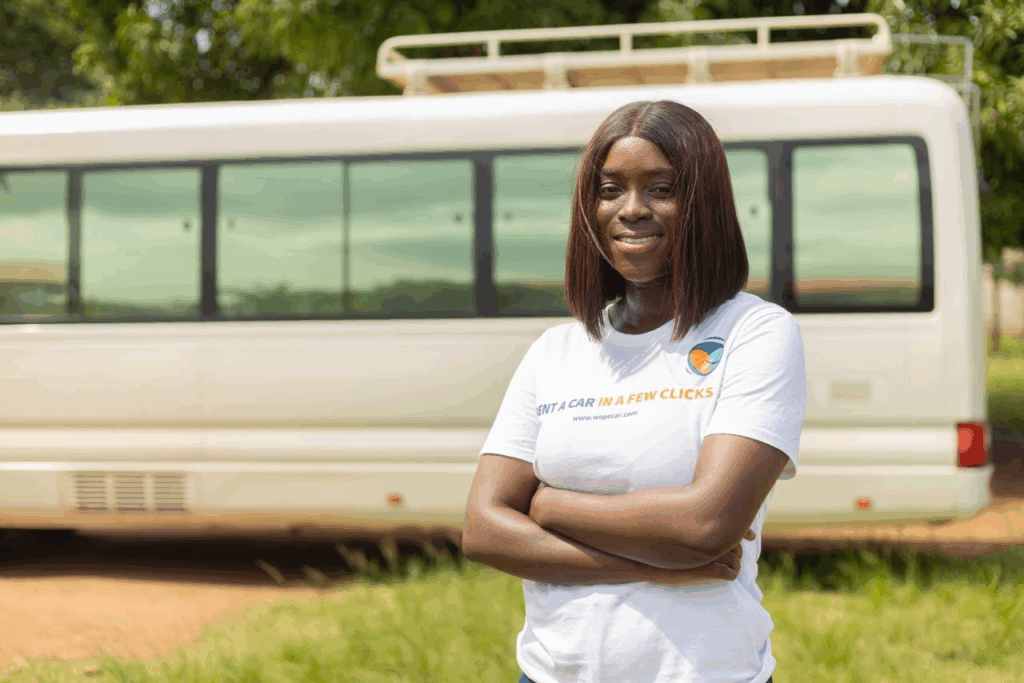
Renting a car isn’t just convenient. In 2025, it’s financially smarter. Here’s why.
1. High Initial Costs of Car Ownership
Buying a car, whether locally or through import, requires a massive upfront investment. With increasing inflation and elevated import duties, prices have increased beyond what many Ghanaians can comfortably afford. In contrast, renting eliminates this barrier. With flexible rates, platforms like WopeCar allow people to access reliable vehicles without draining their savings.
2. Depreciation: The Hidden Cost of Ownership
As soon as a car is purchased and registered, it begins to lose value. On average, vehicles lose up to 20% of their value annually, depending on usage and model. For private owners, this means a significant financial loss over time. Renters, however, don’t bear this burden. They enjoy the utility of the car without worrying about long-term depreciation or resale challenges.
3. Maintenance, Repairs, and Insurance
Maintaining a car in Ghana isn’t cheap, especially when you factor in routine servicing, insurance, and occasional repairs. On average:
- Sedans and mid-size vehicles cost about GH¢1,030 per routine service
- 4x4s range between GH¢1,300 and GH¢1,500
- Luxury cars can go as high as GH¢2,000 per service
These are just routine maintenance costs. When you add in insurance premiums, spare parts, and unexpected repairs, car ownership quickly becomes a major financial commitment.
With WopeCar, all of that is handled. From servicing and insurance to mechanical support, renters don’t have to worry about costs or maintenance headaches. We take care of the car, so you can focus on the journey.
4. Unexpected Expenses: A Financial Trap
Ownership comes with unpredictable costs like replacing batteries, tires, repainting, or fixing an air conditioning system that fails in the middle of the Harmattan. These costs are rarely planned for, and usually hit at the worst possible time.
By renting, you remove the guesswork. Whether it’s a weekend trip or a three-month business assignment, your expenses are clear upfront.
5. Inflation and Import Duties Make Ownership Less Attractive
Ghana’s inflation rate and import tax structures have driven car prices through the roof. Even second-hand vehicles are no longer the bargain they used to be. For many, the long-term financial commitment of ownership no longer makes sense, especially when car rental offers access without these burdens.
6. Renting Offers Financial Flexibility
Unlike car ownership, which demands annual renewals and maintenance whether or not the car is used, renting operates on a pay-as-you-need model. If you don’t need a car for a few weeks or months, you simply don’t rent one, saving you money and freeing up capital for other priorities.
7. When Renting Makes the Most Economic Sense
• Short-Term Needs
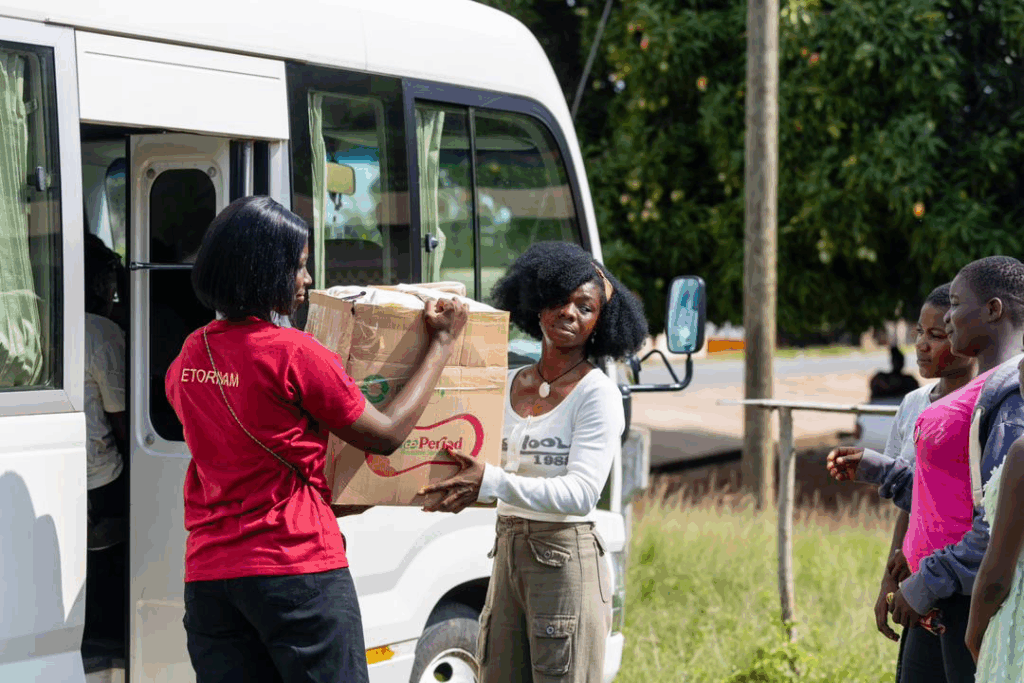
WopeCar has seen firsthand how short-term leases can offer smarter, more flexible mobility solutions, especially in a market like Ghana. Whether it’s a multinational company with fully remote staff flying in for temporary projects, entrepreneurs studying the terrain before setting up shop, or established businesses needing to move clients or stakeholders across regions for site visits, product launches, or trainings, ownership often isn’t the most efficient option.
We have supported returning residents who just need a car for a few months as they settle in. We have also worked with small businesses that get busy during certain times of the year and don’t want the extra cost of owning multiple cars they won’t always use. In cases like these, our data shows that short-term rentals offer not just convenience, but clear financial and operational advantages. It’s why businesses and individuals alike are increasingly choosing flexibility over fixed costs.
• Business Operations
A Nigerian tech company expanding into Ghana recently equipped its new team with WopeCar rentals instead of investing in a fleet. They scaled vehicle use up and down based on need, avoiding long-term depreciation costs.
• Special Events
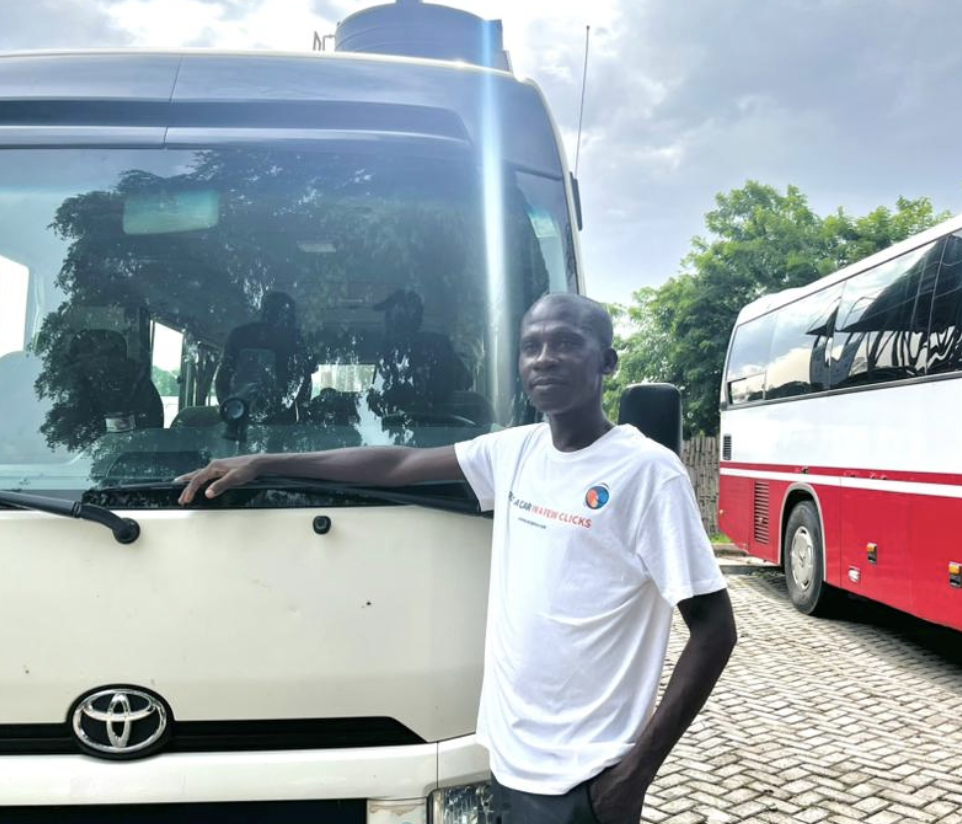
Corporate teams planning offsite retreats or companies hosting visiting executives rent vehicles like Land Cruisers or minibuses for short periods. No need for permanent ownership of rarely used vehicles.
• Tourists & Expatraites
For expats working on short-term contracts or tourists staying for a few weeks, renting is the only logical choice. WopeCar allows them to skip the stress of ownership while exploring Ghana comfortably.
The numbers speak for themselves: high upfront costs, ongoing maintenance, inflation, and unpredictable expenses have made car ownership less appealing. Renting, on the other hand, offers financial flexibility, convenience, and peace of mind.
WopeCar has been in the system for over seven years and counting. While we’re still a startup, we’re doing the work to reshape how Ghanaians move. From individuals to businesses, we’re challenging old ideas about what mobility should look like. Whether it’s a sedan for business meetings, an SUV for a weekend trip, or a bus for a team outing, we make movement flexible, accessible, and smart. After all, we give you the freedom to go places.
Latest Stories
-
Ghana housing finance conference adopts communiqué to improve affordable housing access
19 minutes -
Special Initiatives Minister urges Wa Technical Institute to enrol more girls as EU-backed solar training lab opens
45 minutes -
In the matter of my first year at the Bar
57 minutes -
ActionAid Ghana calls for an end to child marriage, greater investment in girls’ rights
1 hour -
Newsfile to tackle World Cup visa scandal, beach demolitions, education strikes, BRICS bid
1 hour -
UK-Ghana Trade & Investment Summit: Trade Resource Centre to help businesses maximise UK-Ghana trade opportunities
2 hours -
Embassy of Denmark celebrates World Maritime Day
2 hours -
Linking LEAP to productive inclusion could cut extreme poverty by 2030 – UNICEF
3 hours -
Trade Ministry backs use of creative arts to rehabilitate prison inmates
3 hours -
Negotiations with government to continue despite strike suspension – GNAT
3 hours -
‘Ghana cannot afford to waste public resources; every cedi has a job’ – Ato Forson
3 hours -
Ghana expects economic boost as World Assemblies of God Congress brings 10,000 delegates to Accra
3 hours -
Joy in Nayilifong as Farouk Aliu Mahama donates 100kVA transformer to improve power supply
4 hours -
Chief Justice urges employers to tackle mental health stigma in workplaces
4 hours -
Analysis: Ghana’s yellow fever numbers reveal a gap between vaccination and protection
5 hours