

Audio By Carbonatix
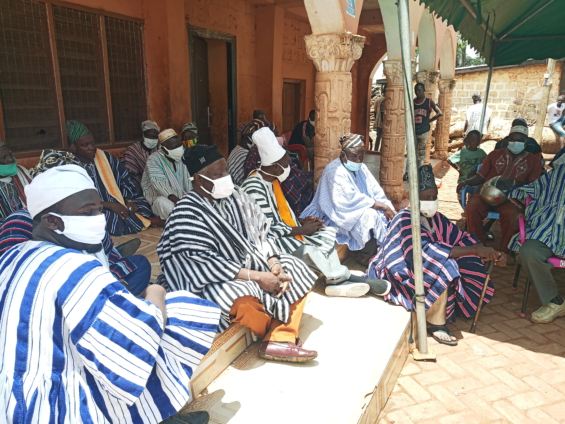
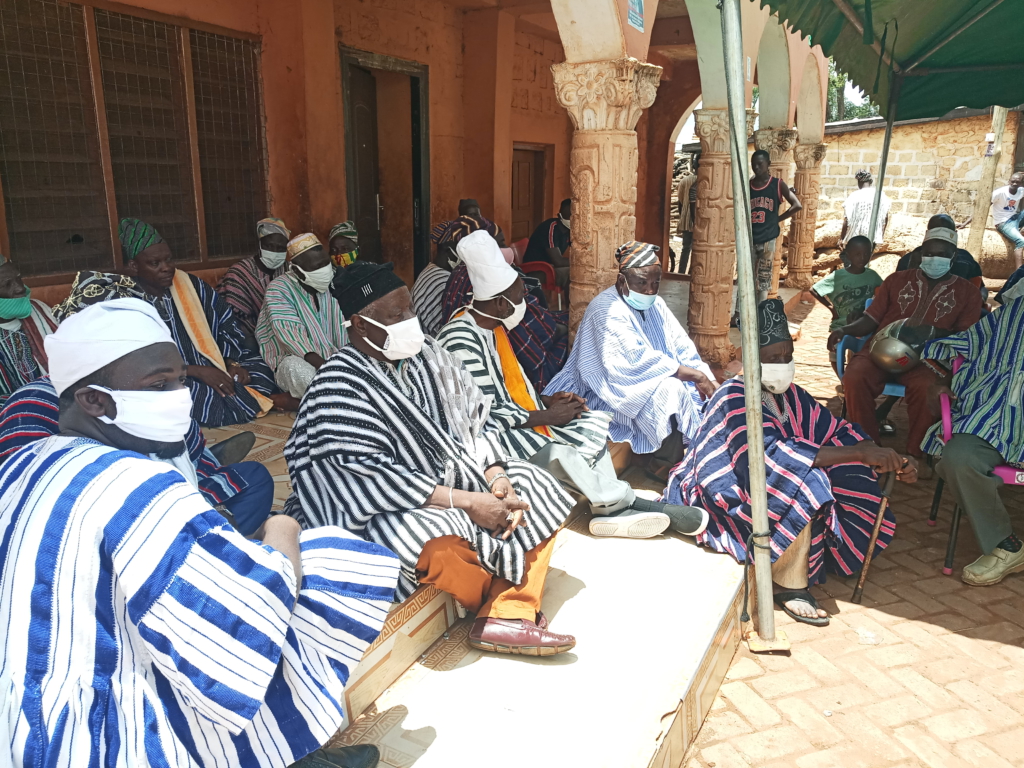
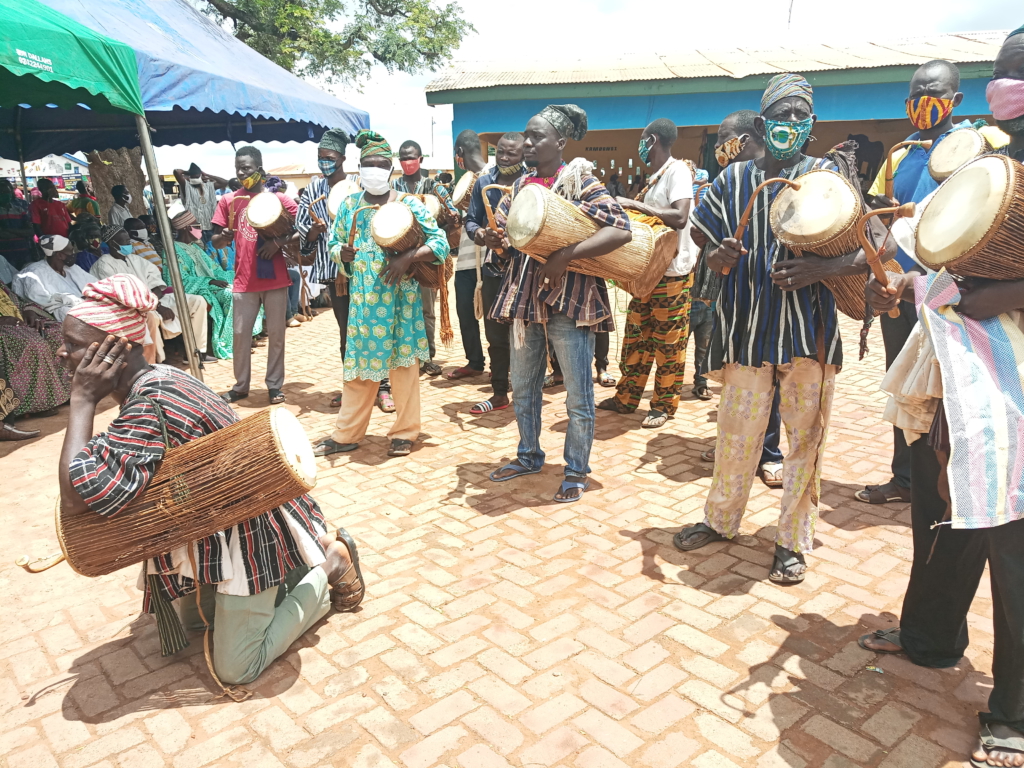
The Chiefs and people of the Mossi tribe have made a historic visit to their ancestral home in Gambaga in the North East Region following what they call attempts by some people to tag them as non Ghanaians.
The delegation paid a courtesy call on the overlord of Mamprugu, the Nayiri Naa Bohagu Mahami Sheriga II, where they made a formal complaint about a new wave of intimidations and discrimination by some southerners which sought to portray the Mossi people in Ghana as foreigners or strangers.
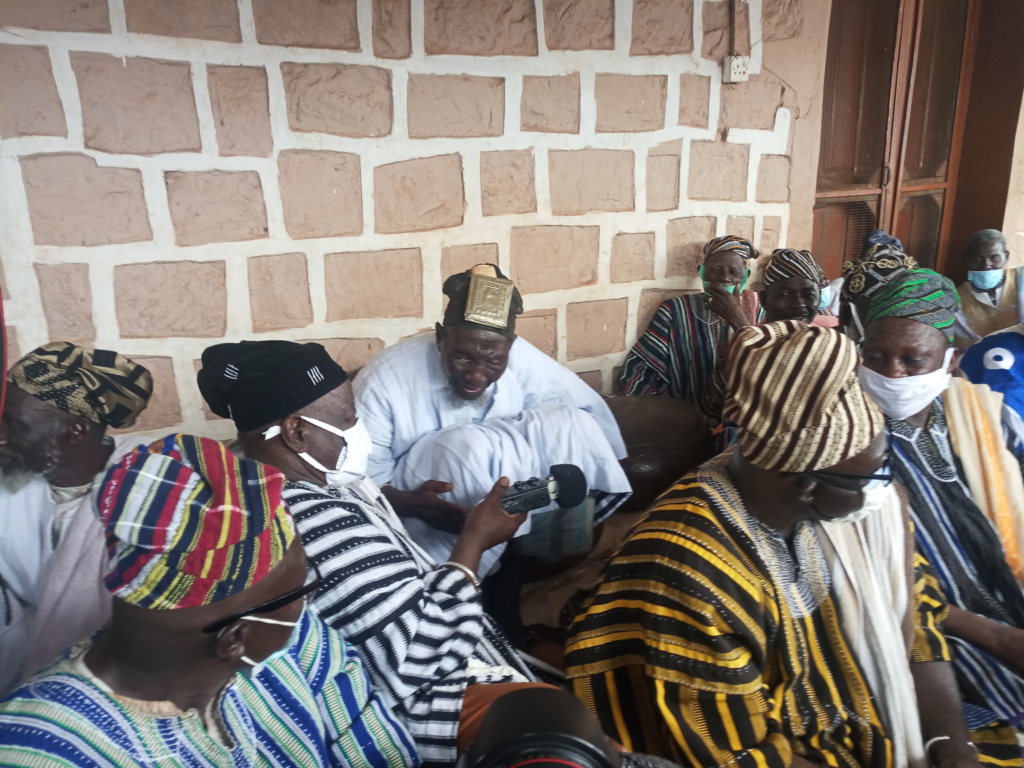
Chief Jeswende-Saam Naaba Kutu I, the Mossi chief of Tamale, who spoke on behalf of the delegation, pleaded with the Mamprugu overlord to forward their complaint to the government.
He explained that government can help nib the situation in the bud and stop any escalation.
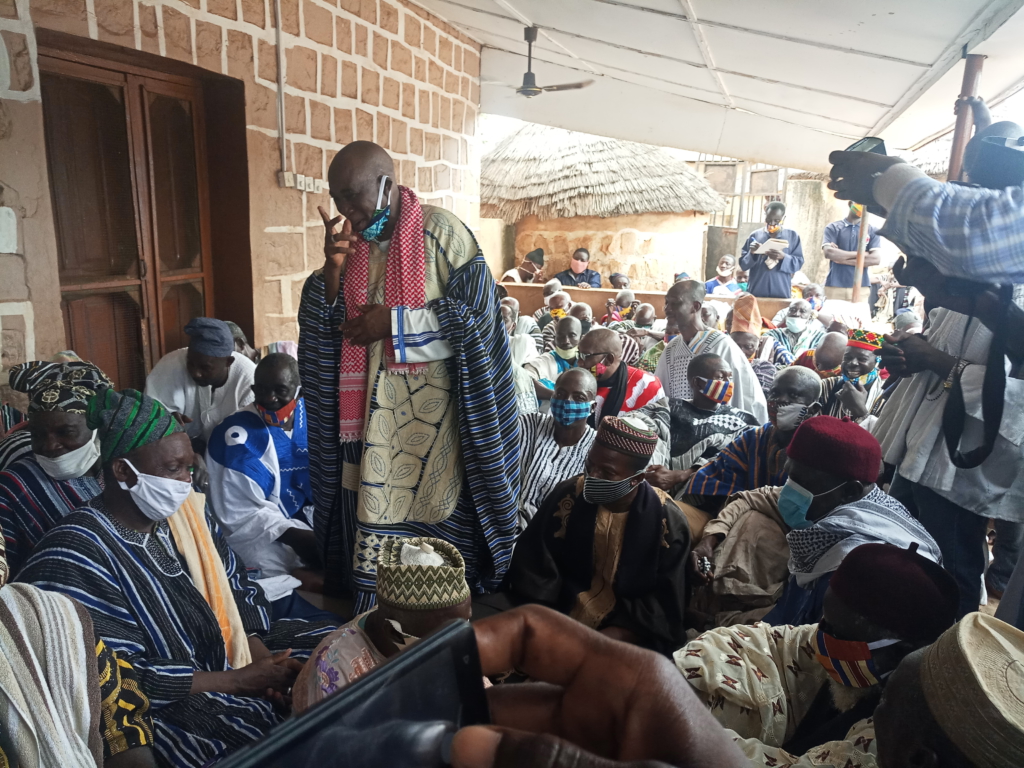
According to him, this discrimination is causing fear and tension among members of the Mossi community.
The delegation also made a request to the Nayiri to allocate land in the Mamprugu Traditional Area for Mossi people in Ghana to build a permanent residence to be named 'Mossi Tinga' (Mossi Hometown).
The Mossi entourage then used the opportunity to extend a gracious invitation to the Overlord to attend the annual Buude Yelle festival which is held in Bawku in the Upper East region.
The Origin of the Mossi People, their relationship with Dagomba, Mamprusi and Nanun.
The Mossi people are descendants of a latter Mamprusi King's daughter, Princess Yantaure, who eloped from her father's village at a time when the capital had been moved from Pusiga to Gambaga, the capital of the East Mamprusi Municipal.
After the death of Princess Yantaure/Yanega, her descendants moved from Gambaga and settled at Tinkurugu (Tenkodogo) in modern-day Burkina Faso.
They founded the four autonomous Mossi Kingdoms. Each independent from the other and established at different times, namely; Tenkodogo, Yatenga, Ouagadougou, and Bousouma.
At the turn of the twentieth century, the Mossi, Dagomba, and Mamprusi kingdoms were invaded by British-, French-, and German-led troops.
A first treaty with the Mamprusi king was made by George Ekom Fergusen—and contested by the French.
Later, British troops led by Captain Stewart settled in Gambaga (1897-1902), where he negotiated with French officers in the Mossi kingdom of Tengkudugu to the northeast and with German officers to the east, across what is now the Togo border.
A final settlement in Vienna in 1902 established the present boundaries between Togo and Ghana in the east, and between Ghana and Burkina Faso in the north.
Latest Stories
-
Old Tafo MCE pledges action as residents raise alarm over faulty drainage systems
16 minutes -
Abossey Okai dealers reject spare parts cost as justification for 30% transport fare hike
45 minutes -
NPP to hold balloting for national elections on September 9
54 minutes -
DirectAid concludes flood relief distribution across Greater Accra, Kasoa
2 hours -
Volcano eruption leaves 150,000 passengers stranded in Indonesia
2 hours -
Black Princesses Coach Charles Sampson confident ahead of World Cup opener against Ecuador
3 hours -
TV presenter among 12 sentenced to death in Egypt drugs case
3 hours -
Accra Airport VIP Lounge project to be completed this year without taxpayer funds – Ablakwa
4 hours -
NPP clears all 47 aspirants for 2026 national officers’ election
4 hours -
Domelevo backs OSP probe into GH¢70k allegation
5 hours -
CAF Confederation Cup: Dennis Korsah confident Nations FC can overturn Mali defeat
5 hours -
Chief Justice should stop commenting on some political issues – Domelevo
6 hours -
‘I don’t trust OSP’ to probe GH¢70k ‘bribe’ allegation – Kwasi Kwarteng
6 hours -
Road inspections not to witch-hunt contractors – Kwame Agbodza
7 hours -
Inter Milan mount stunning comeback to beat Napoli
7 hours