

Audio By Carbonatix
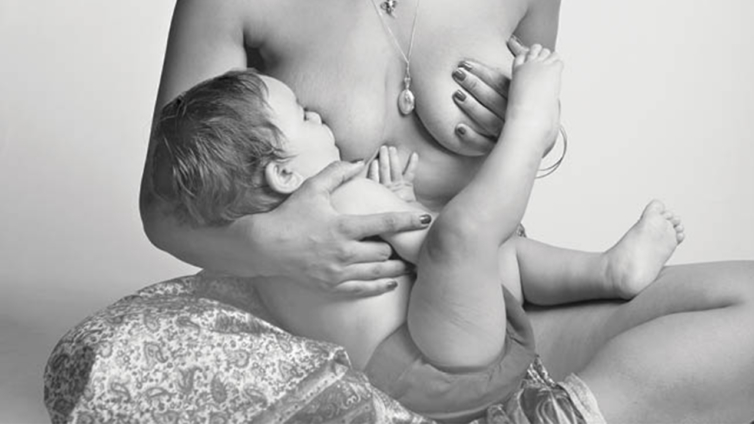
Available data on infant nutrition shows decreasing breastfeeding rates, inadequate meal frequency and diet diversity, thereby, increasing wasting among children below five years in the country.
The nation’s early initiation of breastfeeding hovers around 50 percent while exclusive breastfeeding at six months stands around 43 percent, Dr Paulina Appiah, the Bono East Regional Deputy Director in-charge of Public Health indicated.
Dr Appiah who revealed the figures during the regional launch of the ‘Start Right-Feed’ campaign held at Kintampo noted the data indicated the stark reality of breastfeeding practices in the country.
Mrs Rebecca Akufo-Addo, the First Lady, launched the national campaign which targets children from birth to two years in August 2020.
The campaign aimed at promoting and raising awareness of the benefits of exclusive breastfeeding and the provision of foods with the right balance of nutrients to make the targeted children more productive.
Exclusive breastfeeding, Dr Appiah explained, helped protect infants from common childhood illnesses such as diarrhoea and pneumonia, which she said were the two primary causes of child mortality in the country.
“It is also beneficial for the mother as it is associated with reduced risks of breast and ovarian cancer, type II diabetes, and postpartum depression,” she said.
Even after complementary foods have been introduced, breastfeeding remains a critical source of nutrients for the young infant and child.
It provides about one half of an infant’s energy needs up to the age of one year, and up to one third during the second year of life.
But, Dr Appiah regretted that complementary feeding was often fraught with problems of foods being too diluted, saying only 12 percent of children below two years were consuming the minimal acceptable diets in the country.
“Household food and feeding practices influence the quality of complementary feeding, and mothers and families need support to practice good complementary feeding,” she said.
She emphasized that a concerted approach was required to make the campaign achieve the desired outcome and called on traditional authorities, media, assembly members, civil society actors and organizations to play their part as well.
Latest Stories
-
Ghana’s mining deaths fall sharply, but Chamber insists ‘three deaths are too many’
24 minutes -
Tatale Sanguli officials destroy expired food products, warn traders
30 minutes -
Police arrest two watchmen over alleged defilement of 14-year-old student
36 minutes -
The woman behind General Mosquito: Could Ghana be meeting its next First Lady?
37 minutes -
Court remands man over alleged Labone bank robbery attempt
41 minutes -
Supreme Court to rule today on challenge to legal vacation warrants
47 minutes -
Tamale Metropolitan Assembly distributes 10,000 bags of fertiliser to farmers
52 minutes -
TUSAAG suspends strike, resumes work after renewed talks with government
56 minutes -
PIAC marks 15 years of oil revenue accountability and transparency
1 hour -
Adongo calls for non-political interference in $1.46bn Heritage Fund review
1 hour -
FDA records GH¢70m surplus in 2025 amid concerns over ageing lab equipment
1 hour -
Arise Ghana demands stronger commitment to end galamsey
1 hour -
96% of Ghanaian pensioners willing to work beyond retirement age – Study
1 hour -
Ghana gets nuclear power plant simulator
1 hour -
Temporary Akosombo power control facility to be ready by September – Energy Ministry
1 hour