

Audio By Carbonatix
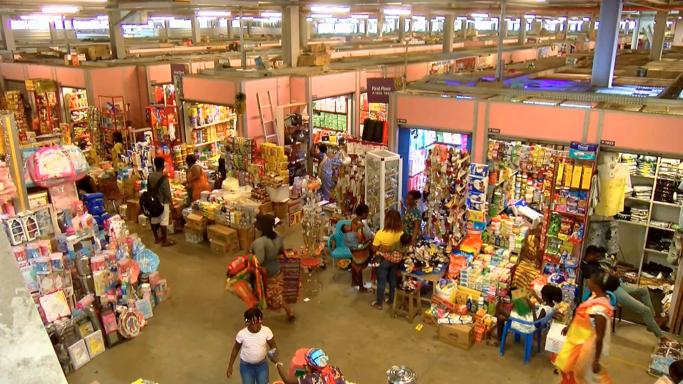
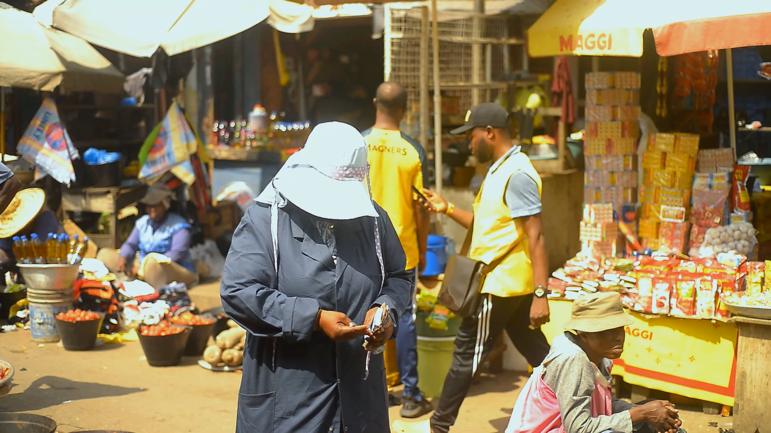
Some retailers of consumer goods in Kumasi claim they have little to do with calls for a reduction in prices of goods on the market.
They say importers, suppliers and manufacturers are to blame for maintaining old and high prices.
Consumers have anticipated the appreciation of the cedi against major international currencies and a reduction in fuel prices will lead to a price reduction in goods.
The Ghana cedi has cumulatively gained approximately 33.6% value against the US dollar in December.
Brent crude has fallen below $80 for the first time since January, resulting in a reduction in fuel prices at the local pump, and subsequently, affecting a 15.7 per cent reduction in transportation fares.
These factors are seeming determiners of the prices of goods and services for traders and the Ghana business community.
However, traders have declined calls by President Akufo-Addo, and regulatory bodies like the Ghana Union of Traders Association to reduce the prices of goods and services to reflect the new reality.
Akwasi Agyeman, a wholesaler of provisions in Kumasi, laments he cannot reduce the prices of his goods because suppliers are operating with old prices.
“Reducing the price of a bag of rice at ¢400 will reflect in how I would sell mine. Whilst they haven't done that, traders cannot.
"Until the wholesalers change the prices, including that of old and new stock, the price of goods remains the same,” he said.
Nana Adwoa Botchwey, a retailer of groceries, says reducing the prices of her goods will put her out of business.
“Reducing the price would be very difficult. None of the items sold has been reduced. Suppliers supply the items on credit, if it is sold at ¢50,000, reducing it to ¢40,000, would leave me in debt. Let us blame those who manufacture, import, and supply the goods.
"They increased prices at the wholesale offices when the dollar appreciated, and they are refusing to do so now. It is not our fault,” she lamented.
Maa Kisiwaa says although she has slashed the prices of some of her items, she still has to deal with other high living expenses.
She says patronage has also been affected, as patrons are willing to buy only less expensive items.
“As a Christian, I have sacrificed and reduced a gallon of oil from ¢70 to ¢55. With that, I use all my money to pay the rental fee for this shop.
"I don't charge exorbitant prices, but I can't also run at a loss. Buyers come and refuse to buy because old items are being sold at old prices. They ask for the price often but buy from where it is cheaper,” she said.
Latest Stories
-
Journalism must prioritise public interest over attention — Kwesi Pratt
22 minutes -
Ghana Mineworkers Union demand suspension of contract mining directive, threaten industrial action
47 minutes -
ADB Ghana Medicals constructing and equipping new Cardiothoracic Centre at Komfo Anokye
54 minutes -
AFREIKH Summer School challenges Africa to harness critical minerals
1 hour -
Government plans 2,000-acre pharmaceutical innovation park in Osudoku to boost local drug production
1 hour -
Partey undergoes medical ahead of Al Shabab move in Saudi Arabia
1 hour -
Today’s front pages: Friday, August 21, 2026
1 hour -
Power outages could drive up cost of digital services — NITA
1 hour -
Patients face basic sanitation gaps in West African health facilities — WHO / UNICEF
2 hours -
Competence has no age; let’s stop punishing new businesses
2 hours -
JoyNews Republic Bank Habitat Fair 2026 opens today at Achimota Mall
2 hours -
What Is Wrong With Us: The roads that keep counting our dead
2 hours -
MTN condemns recent xenophobic attacks on Ghanaians in South Africa
2 hours -
Philip Nai: What happens at your front desk can make or break your brand
2 hours -
Ghana’s mining deaths fall sharply, but Chamber insists ‘three deaths are too many’
4 hours