

Audio By Carbonatix
It has long been a societal debate on who are the originators of the manually-woven Kente fabric.
Some believe the Asantes closely learned the pattern of the Spider web to replicate it in the making of the fabric. Other indigenes of the Volta region vehemently oppose the notion, claiming they are the real inventors.
The long-standing ethnic feud reflects the loss of the right of the owner to inventions and creative works.
This, the legal fraternity, attributes to the minimal awareness of Intellectual Property rights in the country.
A lack of knowledge of intellectual property laws and rights is a major factor in Ghana's incapacity to contribute to the global spheres of science, research and innovation.
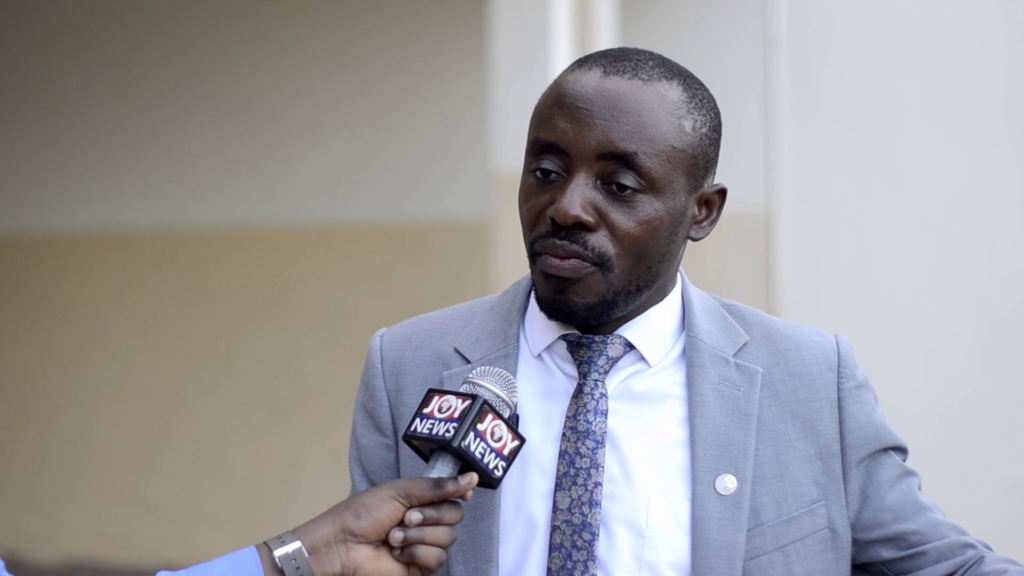
Lawyer and lecturer at the KNUST, Richard Obeng Mensah, believes exposure to the laws allows a number of communities to legally claim ownership of an invention.
“If the kente communities like Bonwire and the Ewes are aware of these laws, they can prevent people from actually coming out certain kente fabrics because of intellectual property laws in respect to geographical locations. Geographical indications can be attached to the producers of the popular ‘Zomi’ palm oil,” he said.
Some concerned scientists and law experts believe the situation stifles national development.
The government in 2016 launched the National Intellectual Property Policy and Strategy to promote innovation and awareness, but its implementation stalled while piracy of intellectual property continues.
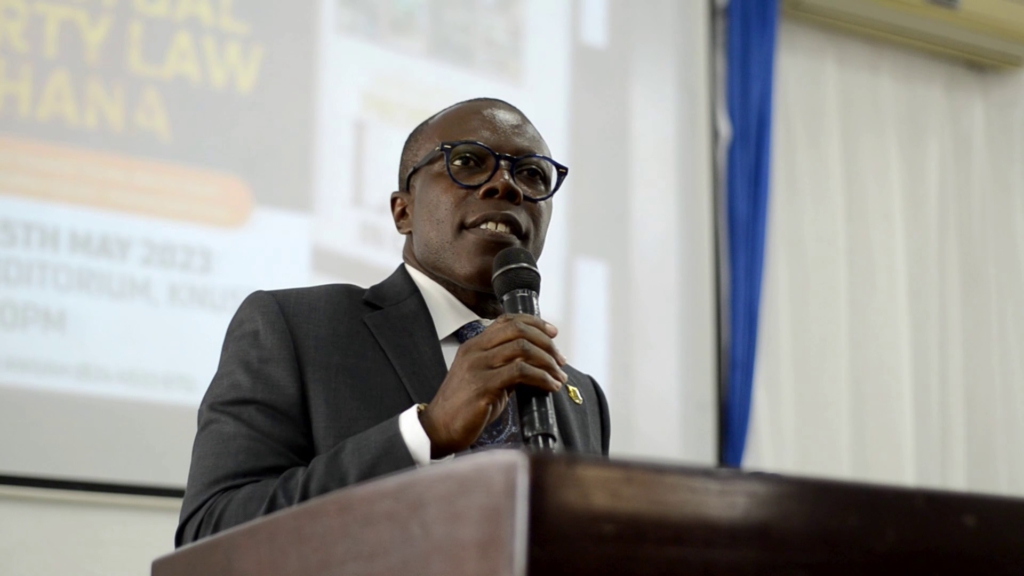
Pro-Vice Chancellor of KNUST, Professor Ellis Owusu-Dabo, observed low knowledge of intellectual property contributes to the country’s reduced local innovations.
“Africa lacks intellectual property in science, innovations and entrepreneurship. The continent doesn’t contribute up to 5% of global innovations. The input in research and science innovation is 1.7%. It’s important that we understand what these mean to us continents and as a nation,” he said.
Presently, legal educators source and allude to foreign legislation, typically English Laws, to facilitate the teaching of Intellectual Property Laws in Ghana.
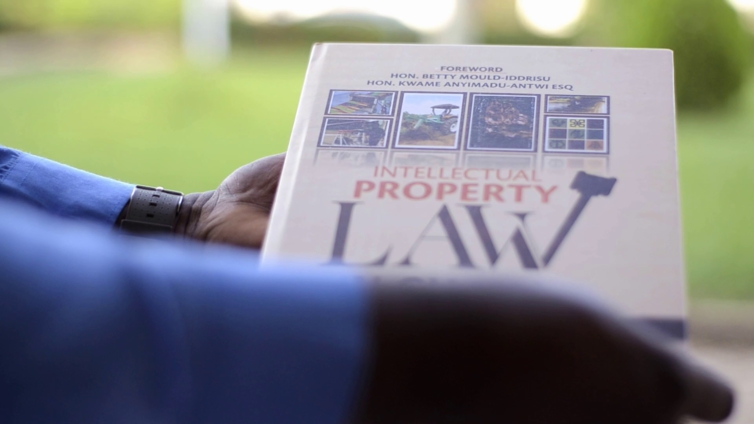
But in contextualizing the legal framework into the local setting, lecturers in the legal community of the KNUST have launched a book to bridge the deficient knowledge on intellectual property.
An array of creators including journalists, entrepreneurs, inventors, traders, and musicians can monetise the benefits of their intellectual property.
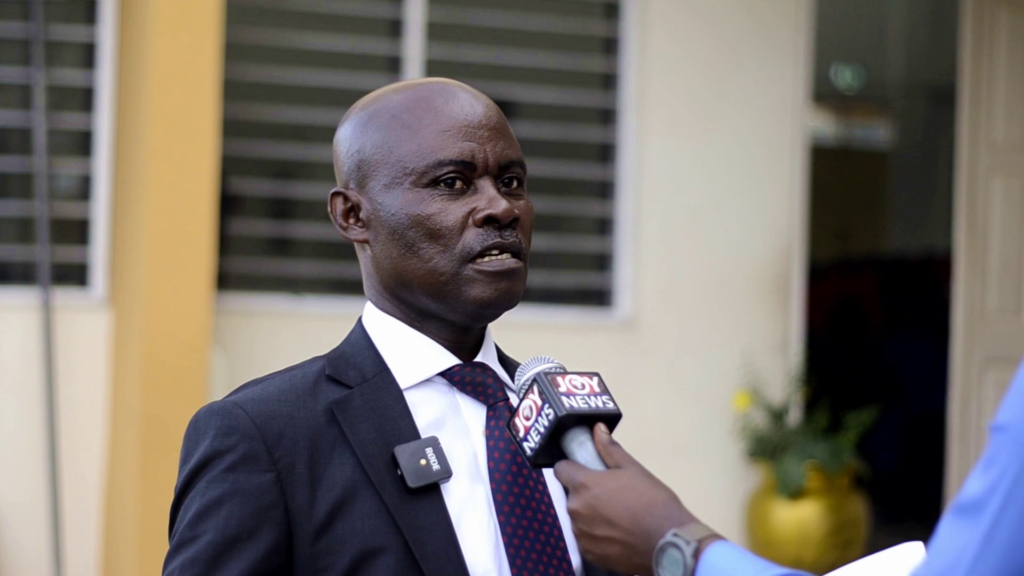
Dr Chris Adomako-Kwakye, one of the authors, said although people argue the use of original work should not be limited to a select few, creators must benefit from their works.
“It will take time to get a patent. But the benefits associated with getting the needed protection will now give you some form of monopoly over that.
"Although some people argue having a monopoly over a product stifles development, once people bring something out they should be able to benefit from it. People shouldn’t only get it and leave it out to the public for everyone to feed on,” he said.
The main intellectual property laws in Ghana are the Copyright Act, 2005 (Act 690); the Patents Act, 2003 (Act 657); the Trademarks Act, 2004 (Act 664); the Industrial Designs Act, 2003 (Act 660); and the Protection Against Unfair Competition Act, 2000 (Act 589).
Latest Stories
-
WAFU B WCLQ: Ampem Darkoa Ladies come from behind to beat Edo Queens
4 minutes -
Photos: National Youth Authority Festival
15 minutes -
Bawumia commissions St Jude’s Catholic Church he funded to completion at Weija
30 minutes -
Government defends new beer exercise rates; sliding scale has not been abolished
31 minutes -
Bolgatanga Assembly denies blanket ban on events beyond 8pm
44 minutes -
Photos: Ghana Immigration Service removes 1,055 street beggars from Accra, Kumasi streets
45 minutes -
‘He always comes to our aid’ – Fr. Campbell recounts Bawumia’s support for Church, poor
55 minutes -
Remittances drop marginally year-on-year to US$3.65bn in half-year 2026
1 hour -
T-bills: Government exceeds target by 139%, interest rates tumble
1 hour -
Why Chelsea need more than a new goalkeeper to be title challengers
1 hour -
Outlook of Ghana’s external sector remains positive for second-half of 2026 – BoG
1 hour -
Prisoners freed early are returning to jail at rapid rate, governors tell BBC
1 hour -
Two charged after €2.3 million worth of drugs seized in Dublin
2 hours -
Head teacher evacuated 900 children minutes before Nepal floods hit school
2 hours -
Chelsea beat Brithon in seven-goal thriller to maintain perfect start
2 hours