

Audio By Carbonatix
Justice, equality, and fairness are the cornerstones of any functional democracy. A just society requires that all individuals be treated equally, regardless of their social, economic, or political standing. However, there is a considerable disparity in punishment between poor and powerful citizens in many countries, including Ghana. The goal of this article is to shed light on this large gap by analysing the underlying reasons as well as the ramifications for the legal system and societal trust.
Unevenness in the judicial system: Poor citizens encounter the following legal challenges: In Ghana, poor persons frequently lack access to adequate legal representation, resulting in unfair trials and biased verdicts. Because they cannot afford legal services, they are at a distinct disadvantage while navigating the complex legal system.
Politicians, on the other hand, typically have access to high-profile defense counsel because to their financial advantages and connections.
This right permits individuals to mount a strong defense, lowering the likelihood of harsh punishment for their acts. Corruption has the potential to have a significant impact on the administration of justice in Ghana.
Politicians can utilise their tremendous power and influence to manipulate the system, including undermining investigations and influencing court decisions. Poor citizens, on the other hand, are more susceptible to being coerced or intimidated by politicians, resulting in a lack of cooperation during investigations or as witnesses, diminishing the judicial system's effectiveness.
The gap in punishment between poor people and politicians creates a perception of injustice, undermining trust in the court system and the government as a whole. Citizens lose trust in a system that looks to favor the powerful over the underprivileged.
When high-ranking officials appear to avoid accountability for their conduct, society receives a hazardous message. This difference may foster a culture of impunity and corruption, with citizens believing that the law does not apply equally to all.
When a politically exposed person is taken to court for alleged misbehaviour, his followers see it as political witch hunting. Should such persons be deemed untouchable, whereas the weak are subjected to justice on a regular basis for small offences?
I had the pleasure to watch Umaru Sanda's Face to Face show on Citi TV interview the Hon. Alfred Tuah-Yeboah, Deputy Minister of Justice and Attorney General. I saluted him for his delivery with the utmost humility. This man clarified all subjects without passing judgment or shifting blame. I believe we have the best Deputy Attorney General since the Declaration of Independence if he does what he says.
Economic impact: Disparities in punishment can worsen social inequality and widen the gap between rich and poor people. This invariably results in societal instability, stifling economic growth and development. I saw a lot of terrible revelations while watching a very educational programme called Crime Check on YouTube. For example, three young boys in Ghana were sentenced to a total of 56 years in prison for stealing a cell phone. I've yet to see a politician receive such a punishment with public funds.
Foreign investors seek political stability as well as a strong judicial system in every country in which they invest. A difference in punishment between politicians and ordinary citizens can prevent foreign investment, harming the national economy.
In conclusion, a key problem that threatens the values of equality and justice is the gap in punishments meted out to ordinary residents vs politicians in Ghana. Due to this imbalance, social and economic injustice are perpetuated and the judicial system is weakened. The Ghanaian government must prioritise legislative reform, the fight against corruption, and the creation of structures that guarantee equitable treatment under the law in order to address this issue. Ghana may advance toward a fair and just society that respects the rights of all its residents, regardless of their economic or political status, only by redressing this gap.
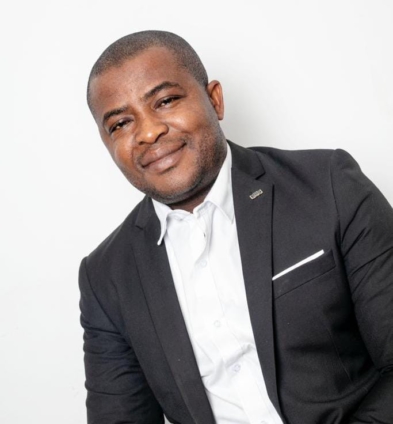
Evans Mawunyo Tsikata, BBA,LLB,MEd,LLM
Latest Stories
-
GEXIM Bank grows loan portfolio to GH¢1.56bn as equity hits GH¢2.1bn in 2025 – SIGA Report
11 minutes -
Ghana Shippers’ Authority grows surplus by 272% as assets reach GH¢979.92m
18 minutes -
Government designates 13 blocked-out areas for small-scale mining to curb illegal mining
19 minutes -
Number of advertised jobs increased significantly in half-year 2026 – BoG
20 minutes -
GAFM demands retraction from GTEC over ‘unrecognised universities’ listing
26 minutes -
Saltpond residents renew call for return of Founders’ Day celebrations
29 minutes -
Consumer spending records mixed performance in 5-months of 2026, but manufacturing activities improved – BoG
32 minutes -
Passenger arrivals at airport increased by 3.7% in 5 months of 2026
37 minutes -
NSMQ 2026: St. Augustine’s College reach third straight semifinal after seeing off Aburi Girls, St. John’s Grammar
40 minutes -
Re: Mahama backs crackdown on airport workers begging visitors for tips
41 minutes -
Photos: 6th Akwasidae Festival in the U celebrates Asante heritage and Ghanaian unity
42 minutes -
Ghana, India explore armwrestling collaboration as Golden Arms prepare for World Armwrestling Championship in New Delhi
50 minutes -
What Is Wrong With Us: We sign off on value for money before we have even defined it
1 hour -
2026 U20 WWC: Black Princesses final squad for tournament revealed
1 hour -
ECG liabilities hit GH¢82.31bn as SIGA flags persistent financial risks
1 hour