

Audio By Carbonatix
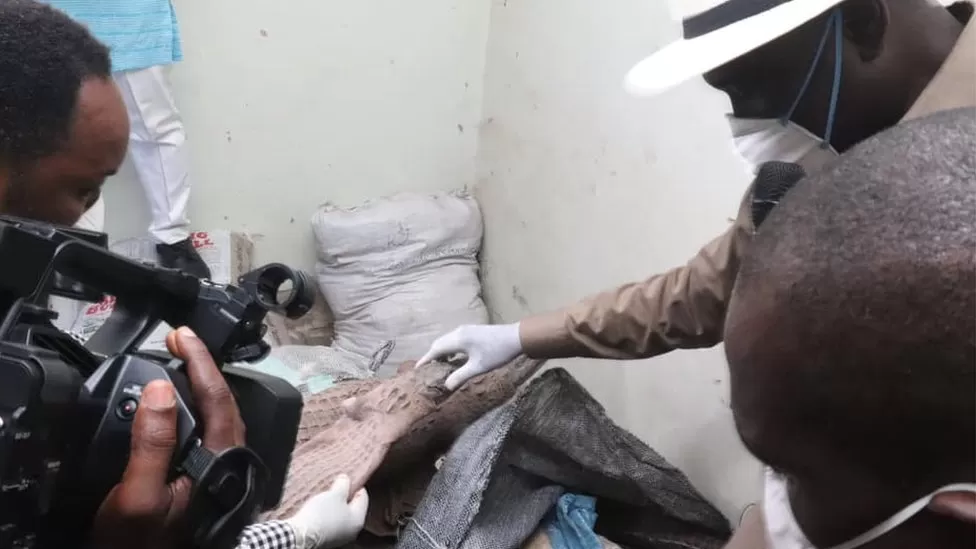
Nigeria has burned $1.4m (£1.2m) worth of pangolin scales in a stand against trafficking, officials said.
It is the first time the nation has publicly destroyed seized wildlife products for this reason.
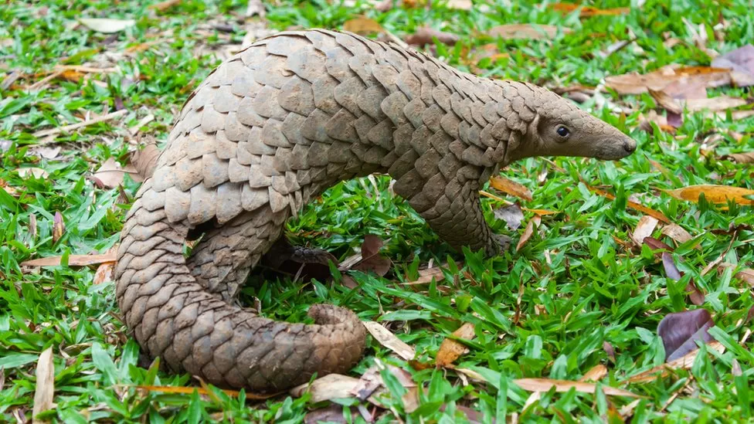
The pangolin is one of the world's most trafficked mammals - their scales are in high demand in traditional Chinese medicine.
Nigeria is a major transit hub for African pangolin scales and other wildlife products trafficked to Asia.

"These seized items represent the past we leave behind, but the destruction signifies the future we are determined to build for our planet," Environment Minister Iziaq Adekunle said before the burning took place in Nigeria's capital, Abuja.
"The destruction of these seized items is a powerful statement of our resolve to protect our environment, conserve our wildlife, and combat the illegal trade that drives species to the brink of extinction."
Almost four tonnes of pangolin scales were destroyed alongside seized leopard, python and crocodile skins.
The agency had confiscated the scales in collaboration with the United Nations Office on Drugs and Crime (UNODC) and a pan-African alliance named the Elephant Protection Initiative.

In August, the leaders of a global wildlife trafficking gang were convicted for smuggling pangolin scales after a four-year investigation and a trial in Nigeria.
And last year, Nigerian customs officials seized 1,613 tonnes of pangolin scales and arrested 14 people, Nigeria's Environmental Standards and Regulations Enforcement Agency said.
Pangolins are the only mammals in the world to be covered in scales, which are made from keratin, the same substance found in human fingernails.
Four species live in Africa, across countries in the south, east and centre of the continent. The creature is near extinct in Nigeria, so pangolins smuggled from there are likely to be from other countries, UNODC said.
Asia is home to the other four species, although they have been totally wiped out in the continent's vast southeast region.
According to animal charity Wild Aid, up to 200,000 pangolins are thought to be taken from the wild every year. It is not known how many are left globally - the animals are notoriously difficult to monitor because they are shy and nocturnal.
According to UNODC, seizures of pangolin scales increased tenfold between 2014 and 2018.
Latest Stories
-
Gold slips before US payrolls data, set for second weekly loss
1 hour -
New Mexico wants Meta to pay up to $40 billion in penalties after data privacy trial
1 hour -
Oil rises slightly as market weighs mixed supply signals
1 hour -
Jordan ‘Last Dance’ jersey sells for £9m
2 hours -
Nigeria charges man with running fictitious government agency
2 hours -
COMAC renews call for full deregulation of fuel prices
2 hours -
Putin warns West that Russia is ready to use every weapon to protect Kaliningrad
2 hours -
Fuel sector overcrowded as 245 OMCs compete for market share – COMAC CEO
4 hours -
Mobile Money Fintech LTD, UMB train hairdressers and beauticians
4 hours -
COMAC boss blasts gov’t interference in fuel pricing, demands full deregulation
4 hours -
OpenAI fires workers for mishandling ‘sensitive information’
5 hours -
What’s gone wrong at Nike? How the world’s sportswear giant lost its mojo
5 hours -
Carney pitches oil pipeline as a response to US-Canada trade war
5 hours -
Badenoch welcomes expanded grooming gangs inquiry
5 hours -
GACL MD sues Samuel Buabeng over alleged Facebook defamation
5 hours