

Audio By Carbonatix
The Chartered Institute of Taxation Ghana (CITG) has held a pre-budget discussion forum on the theme “Critical Roles of Tax Policy Inputs in the National Budget and Economic Development and Welfare of Ghanaian Society”.
The virtual forum sought to propose strategies the government and the finance ministry can adopt in the next budget presentation slated for November 2023 to ensure taxes are channelled efficiently for the well-being of Ghanaians.
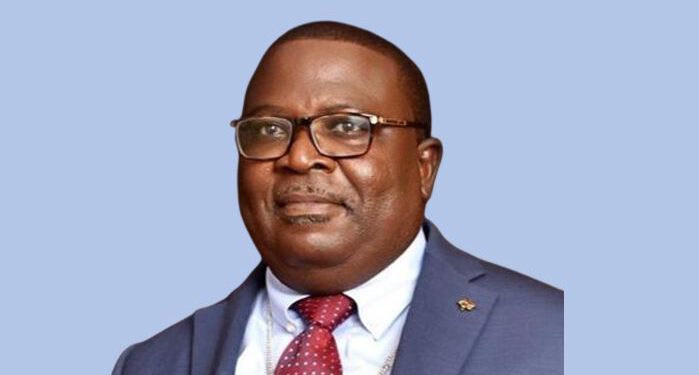
Held on Thursday, November 9, 2023, the forum brought together tax industry leaders and experts, including Emmanuel Obeng Asiedu (Chairman of the Council of CITG), George Ohene Kwatia (President of the CITG), Abeiku Gyan-Quansah (Tax Partner at PwC Ghana), and Ken Amoah (Senior Manager at EY Ghana).
In his opening remarks, the President of CITG, George Ohene Kwatia, posited that the forum is not just a discussion among members of a professional community but a crucial dialogue that transcends the realms of taxation, which dashes into the heart of our nation, economic development, and the welfare of every Ghanaian.
The Chairman of the CITG Council, Emmanuel Obeng Asiedu, stated that the gathering is to advance the integrated and economic welfare of Ghanaians, revitalise the professional tax practitioners journal to promote tax research or tax practice research in Ghana, and call on the CITG to be at the forefront of tax and physical policy formulation.
The lead presenter of the forum, Abeiku Gyan-Quansah, highlighted that the three critical roles of tax policy inputs, which comprise the national budget, economic development, and welfare, characterise ideas, proposals, or recommendations for budgetary decision-making as they go a long way towards promoting sustainable tax policies for the country.
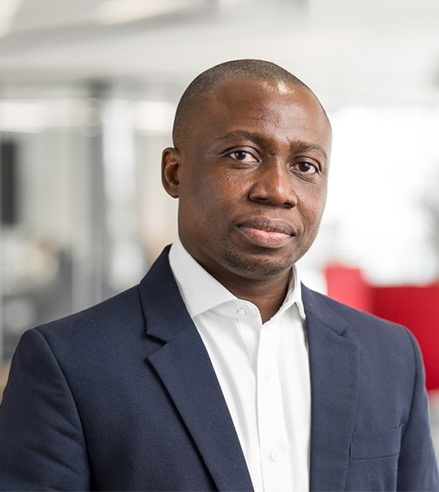
In financing government programmes, Mr. Gyan-Quansah said the national budget should spell out the tangibility of policies in order to gain support for the programmes.
“The critical role of tax policy inputs is that the government should ensure that the budgets that will be presented by the finance minister on behalf of the president properly recognise, properly capture, and properly document issues that bother the provision of public goods, and the government should ensure that our welfare, both current and future generations, is considered,” he stated.
Using marriage as a scenario, he said counselling and consultations are done for would-be couples before the marriage to avoid some issues and not the other way around. This, he believes, will help policies enacted in the country achieve their intended objectives.
“If the government has a critical policy, for example, the E-levy, he needs to conduct checks on the policies before enactment so the desired purpose can be achieved.”
Quoting Jeremiah 29:7, which says, “And work for the peace and prosperity of the city where I sent you; pray to the LORD for it, for its welfare will determine your welfare,” he explained that matters of national interest should be devoid of political alignment and that if Ghana’s welfare improves, the welfare of every individual will also improve.
He tasked the Ministry of Finance and GRA with putting in measures to tax the informal sector to provide some relief to formal or public sector workers and bridge the gap between the revenue generated from both sectors. This, he mentioned, will ensure distributive justice in both sectors.
For his part, EY’s Ken Amoah noted that soliciting ideas from the general public helps to structure policies that can improve the tax policies they make for Ghanaians; thereby, he encouraged Ghanaians to bring their inputs as they use them as a benchmark for their policies.
He furthered that for tax policy to work well, there needs to be a framework within which all tax policy can be generated, outlining some of the areas necessary for effective tax policy.
According to him, “Investment Incentives Policy” can attract both domestic and foreign investors to stimulate economic growth; “Economic Stability Policy” will aid economic stability by ensuring a steady flow of revenue and promotion of a favourable business environment; and “Income Redistribution olicy” will ensure equal distribution of resources to the rich and poor and ensure that the wealthy are taxed more than the less wealthy.
Mr. Amoah added that a good tax policy should be able to generate enough revenue for the government to meet its expenditures and avoid being overly reliant on debt.
The Registrar of CITG, Dr. Frank Gbadago, urged all tax professionals, policy formulators, and implementers alike to work towards the peace and prosperity of the country.
Latest Stories
-
Autopsy shows Hayden Panettiere died from a drug overdose
4 hours -
Earl Spencer should pull Diana book from shelves, Piers Morgan says
4 hours -
IMF tells advanced economies to ‘bring debt down’ as borrowing costs rise
4 hours -
‘I have never felt heat like that’ – a survivor on watching 33 cellmates die in Nigeria
5 hours -
16 arrested, 4 printing hubs busted in major counterfeit currency crackdown
5 hours -
Sir Jim Ratcliffe suspends production at key UK plants blaming high gas prices
5 hours -
Major US outlets suspend shared Trump coverage in protest at media ban
5 hours -
Trump says he would back ban on diesel exports
6 hours -
Lekzy DeComic to feature four generations of comedians on upcoming show
6 hours -
Nigeria wins arbitration as Sunrise’s $400 million hydropower claim dismissed
6 hours -
Xhaka under investigation over Covid-19 certificate
6 hours -
FAW chief questions Infantino’s Fifa reform claims
6 hours -
La Liga chief dismisses Real’s ref conspiracy claims
6 hours -
GMA rejects claims its vessel monitoring system is ineffective
6 hours -
I was close to joining Liverpool in 2016 – Mbappe
7 hours