

Audio By Carbonatix
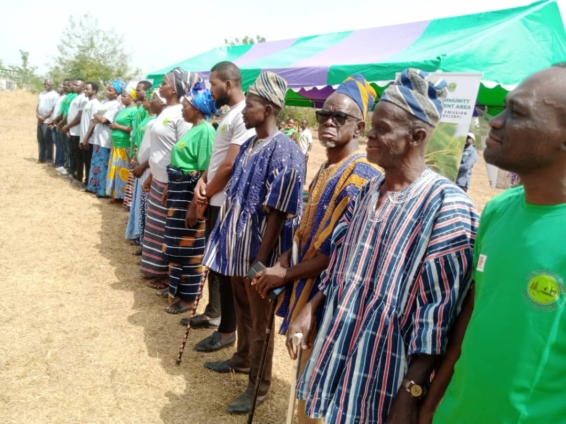
Players of the newly inaugurated Executive Committee of the Community Resource Management Area (CREMA) governance structures of Kapite Nabuuse CREMA have been urged to strive to be worthy ambassadors of the environment.
They should spread the word on the need to reduce carbon pollution, ensure biodiversity conservation, avoid bushfires, and plant more trees.
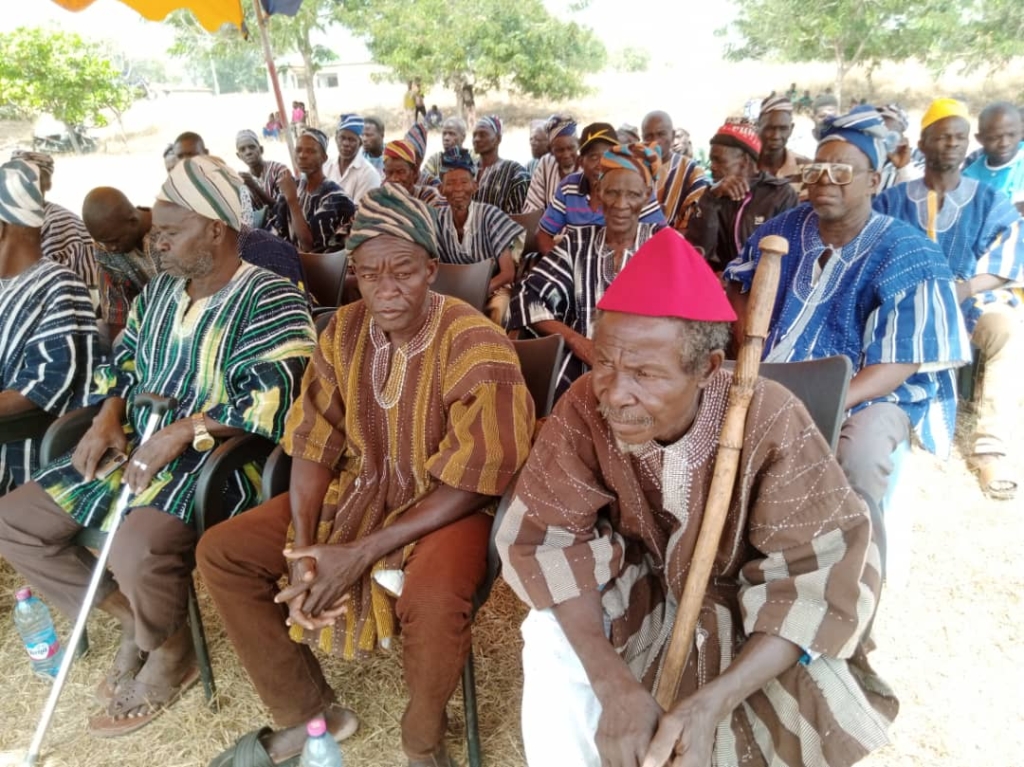
The twenty-one CREMA Executive Committee, which comprises 13 males and eight females, was inaugurated outdoors at Jentilpe, a suburb of Sawla-Tuna-Kalba in the Savannah Region.
The Kapite Nabuuse CREMA has eight constituent communities, namely, Grupe and Seyiri from the West Gonja Municipality, and Nasoyiri, Nyange, Soditey, and Sogoyiri, including Jentilpe and Buge in the Sawla-Tuna-Kalba.
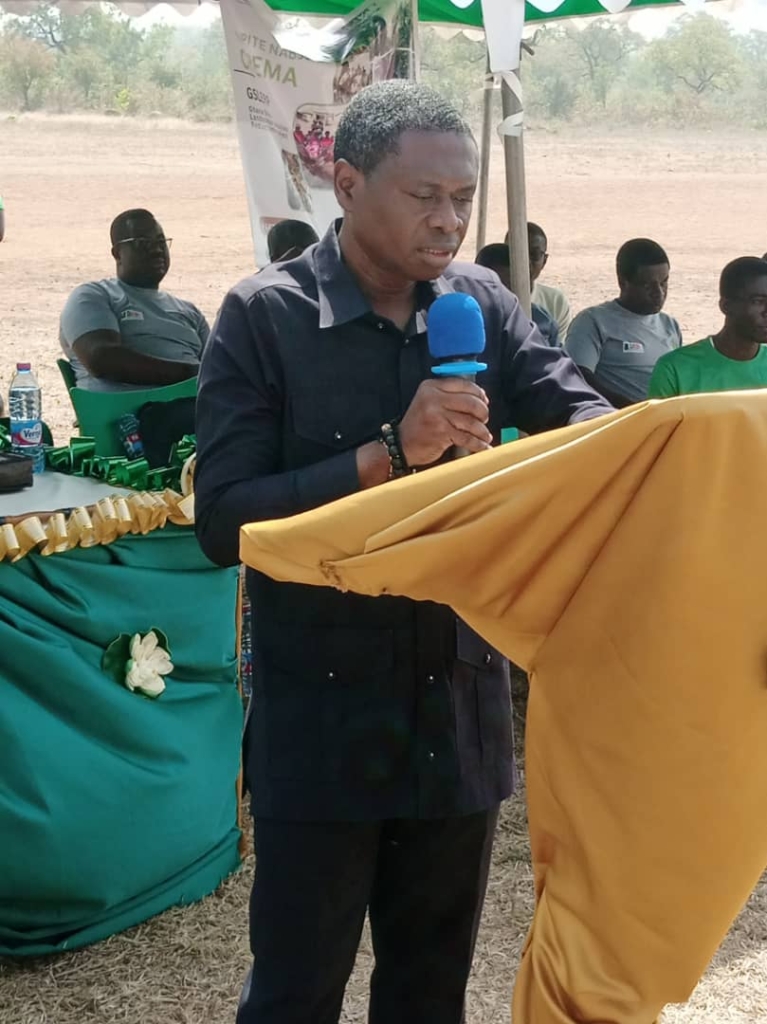
As part of the project, an Apex structure like the CREMA has been established to provide oversight and decision-making for the entire CREMA, which includes women's groups, chiefs, and NGOs.
The project is being funded by the Green Climate Fund (GCF) and is being implemented by the Ghana Forestry Commission with technical support from the Global Shea Alliance and the United Nations Development Program (UNDP), alongside multiple national and local governing institutions, among others.
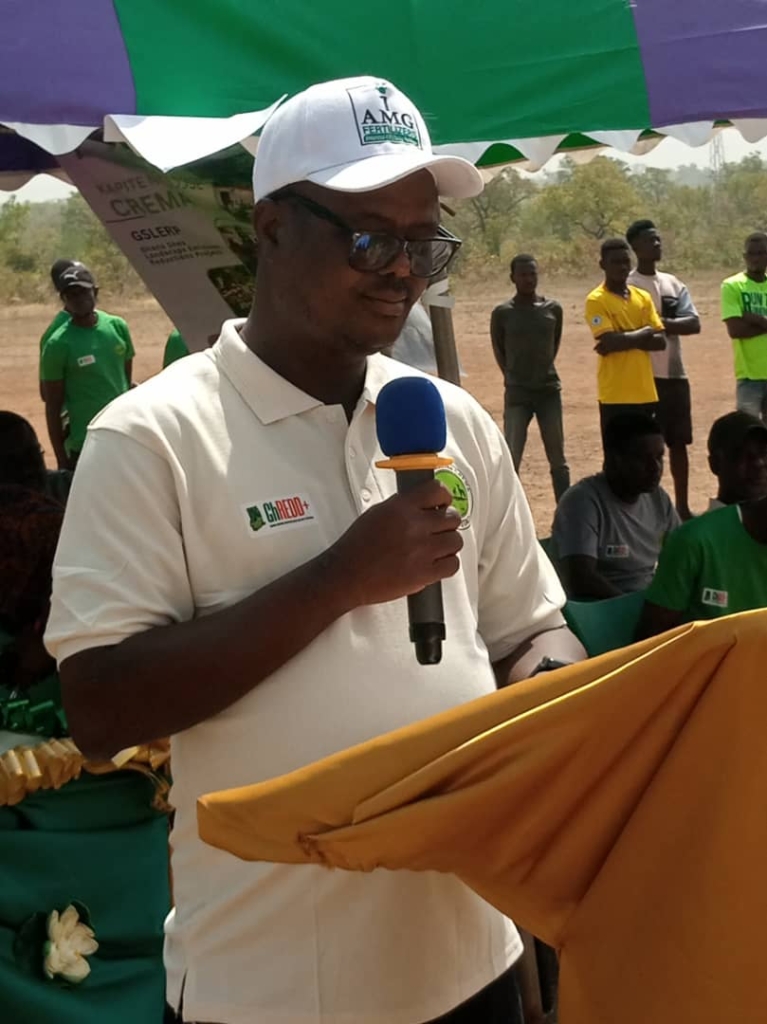
Also, the Mole National Park (MNP), under the Ghana Shea Landscape Emission Reductions Project, is supporting the project to achieve its objective by undertaking the establishment of a Community Resource Management Area within the Grupe to Nyange sector of the Park.

As part of its efforts, the Park is to support the restoration of 200,000 hectares of heavily degraded forest and grasslands through sustainable forest management, as well as an additional 220,000 hectares in which communities adopted and approved five management techniques to reduce emissions.
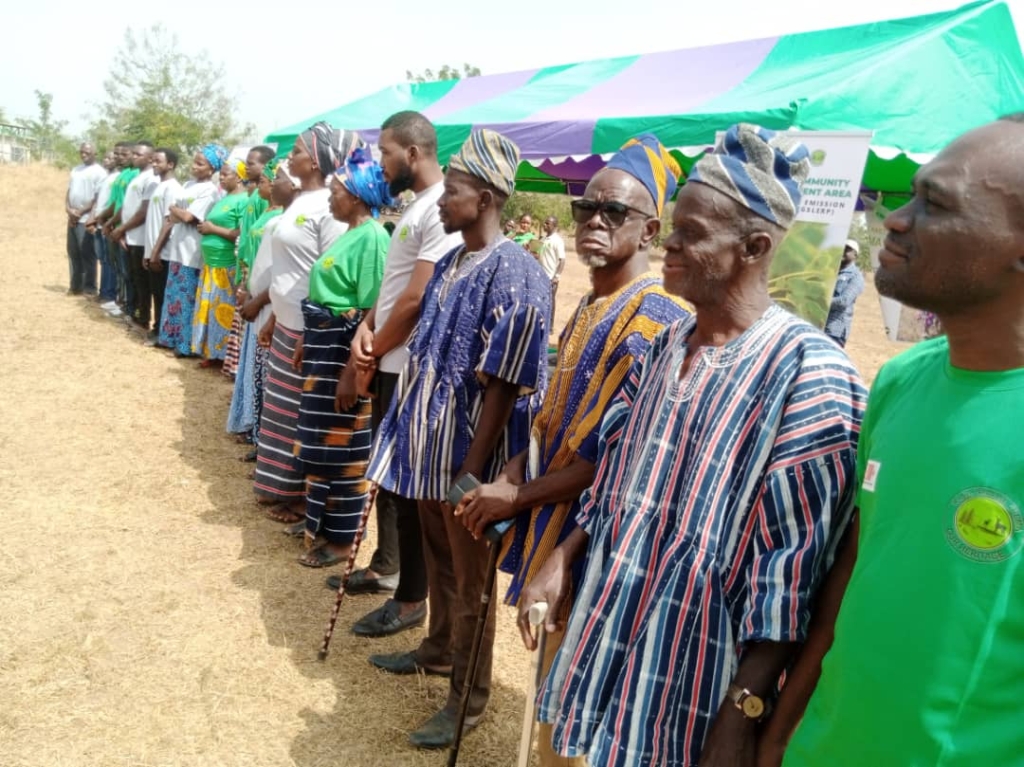
Project Manager of the Ghana Shea Landscape Emission Reductions Project (GSLERP), Emmanuel Baapeng, commended stakeholders for their efforts towards protecting the environment and encouraged sustainable collaboration towards the sector.
On the theme, 'Mitigating Climate Change in the Savannah Landscape, the GSLERP approach,' Mr. Baapeng indicates that the GSLERP, which was launched last year, seeks to restore 200,000 hectares off-reserve through self-financing community management areas, restore 100,000 hectares of Shea parklands, including a 25,500 degraded forest reserve within the Northern Savannah Zone.
Latest Stories
-
Conflicts among care providers linked to maternal, neonatal deaths – Expert
9 minutes -
GIS marks 10th TIME conference, champions improved teaching practices
16 minutes -
BRICS Or Balance? What Ghana’s bid really means
42 minutes -
GPRTU wants full TRAFFITECH-GH implementation to start in 2027
1 hour -
Mahama announces plans to import electric wheelchairs for PWDs
1 hour -
KGL U17 Colts 2026: Western beat Prempeh Elite Academy to set up final final with Greater Accra Region
1 hour -
Late Solanke strike salvages 10-man Spurs draw at Man United
2 hours -
Gender Ministry to monitor welfare of Nana Akua Addo’s children amid domestic violence case
2 hours -
Benedict Okyere Yeboah: Ghana’s football problem goes beyond sacking a coach
2 hours -
GPL 2026/27: Darkwah Wiafe’s winner sees All Blacks beat Kotoko
2 hours -
ITF World Tour : Patel Wins Boys’ Singles Final at J100 Accra
2 hours -
Ghana must pursue BRICS partnership if it brings economic benefits – Kpebu
2 hours -
Success and Wright Claims J100 Accra Girls’ Doubles Championship
2 hours -
ITF J100: America’s Wright wins J100 Accra Girls’ Singles Title
2 hours -
Expedition hopes to find aviator Amelia Earhart’s plane on remote island
2 hours