

Audio By Carbonatix
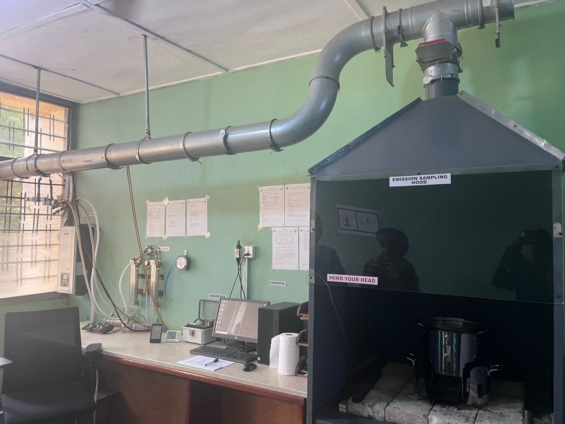
The Council for Scientific and Industrial Research of the Institute of Industrial Research (CSIR-IIR) Cookstove Laboratory has secured an accreditation to test all improved commercial cookstoves.
This follows the successful completion of an inter-lab comparison test involving three countries, supervised by the Environmental Protection Agency of the United States of America (USA).
The centre now conducts series of tests, including efficiency, water boiling, durability, quality control to ascertain if the level of smoke from the cookstove is low and harmless to users.
A scientist at CSIR-IIR, Dr Ferdinard Tornyie said this during the working visit of Michael S. Regan, the Administrator of the United States Environmental Protection Agency to the Cookstove Lab in Accra, which serves other West African countries.
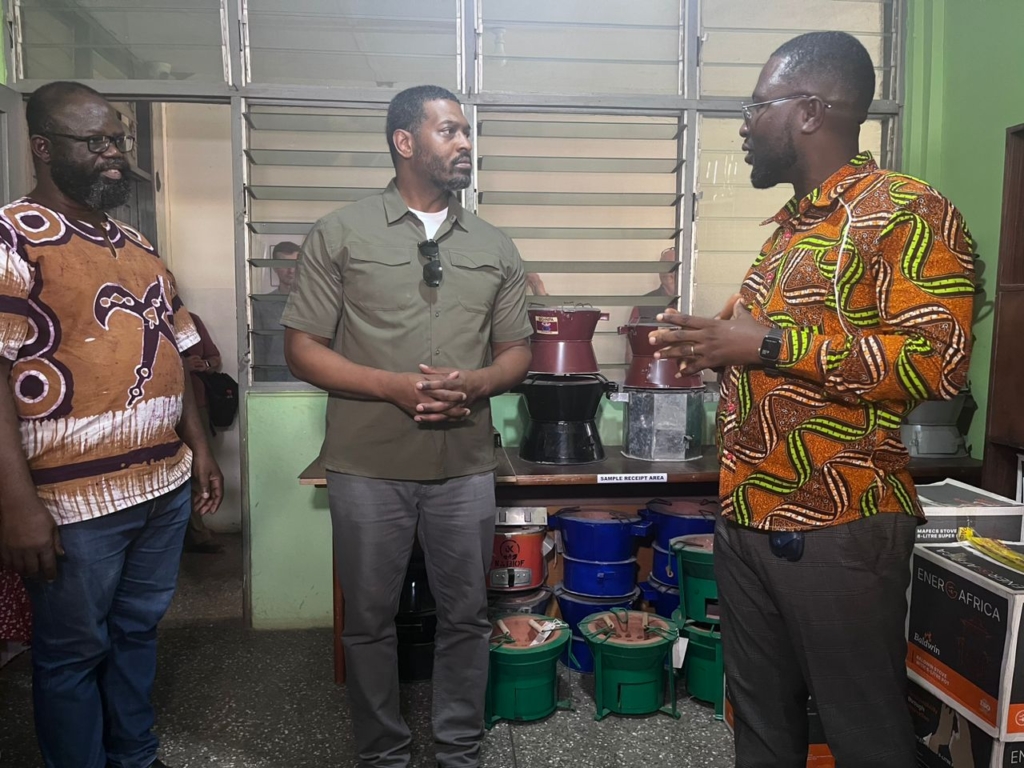
It forms part of activities to deepen collaboration between Ghana and the US to share solutions on range of issues, including the promotion of clean energy cookstoves, climate change and illegal mining.
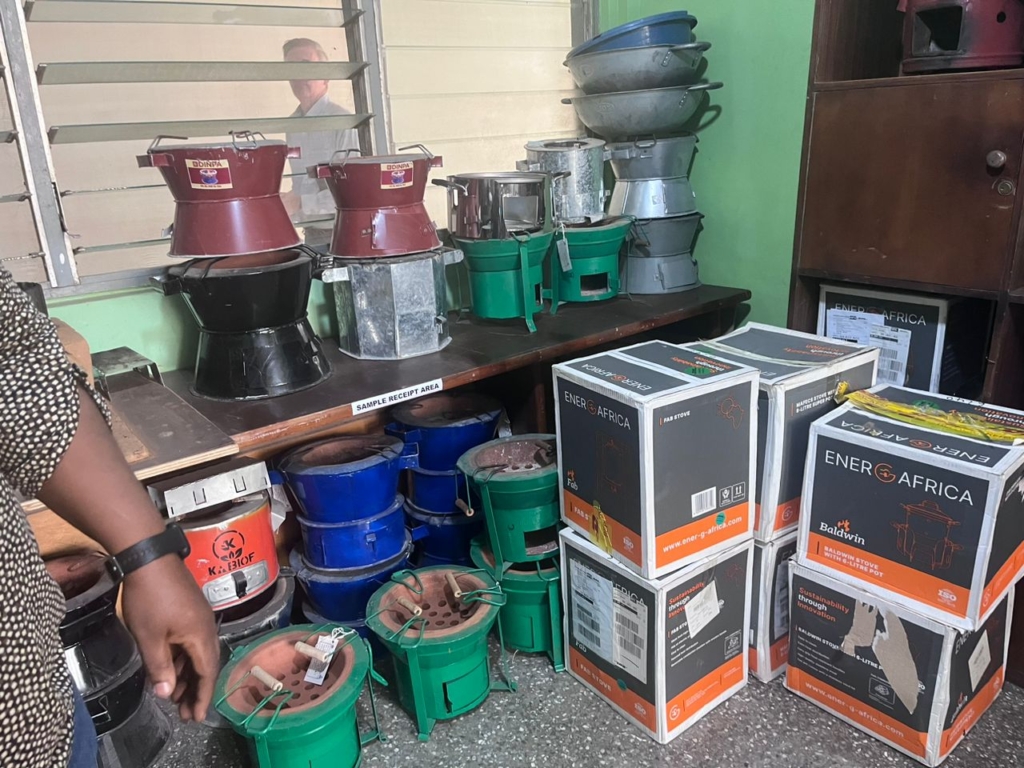
Dr Tornyie said the centre was seeking to ensure that all improved cookstoves were efficient and contributed to improving the health of users, reduce air pollution, deforestation, and contribute to the global goal of reducing emissions.
He stated that a new Legislative Instrument; Cookstove Standard and Labeling, had been enacted to compel all cookstoves to pass the required tests and have a sticker from the Energy Commission - a move similar to ‘Star’ ratings on refrigerators and air conditioners.
Mr Regan noted that the US was committed to continuing with the collaboration with officials of the Centre to ensure Ghana had the best and most efficient cookstoves to address climate change concerns and public health.
He explained that the contribution of cookstoves to air pollution and the climate crisis was “big” and hence the US’s commitment to share and develop a much stronger expertise.
“We care about public health, especially women who use the cookstove and that is why we want to co-develop and share solutions to save lives,” he said.
Mr Regan commended Ghana for having pioneered the generation of high-integrity credits, adding that the country was one of the first two countries to sign an emissions reduction purchase agreement.
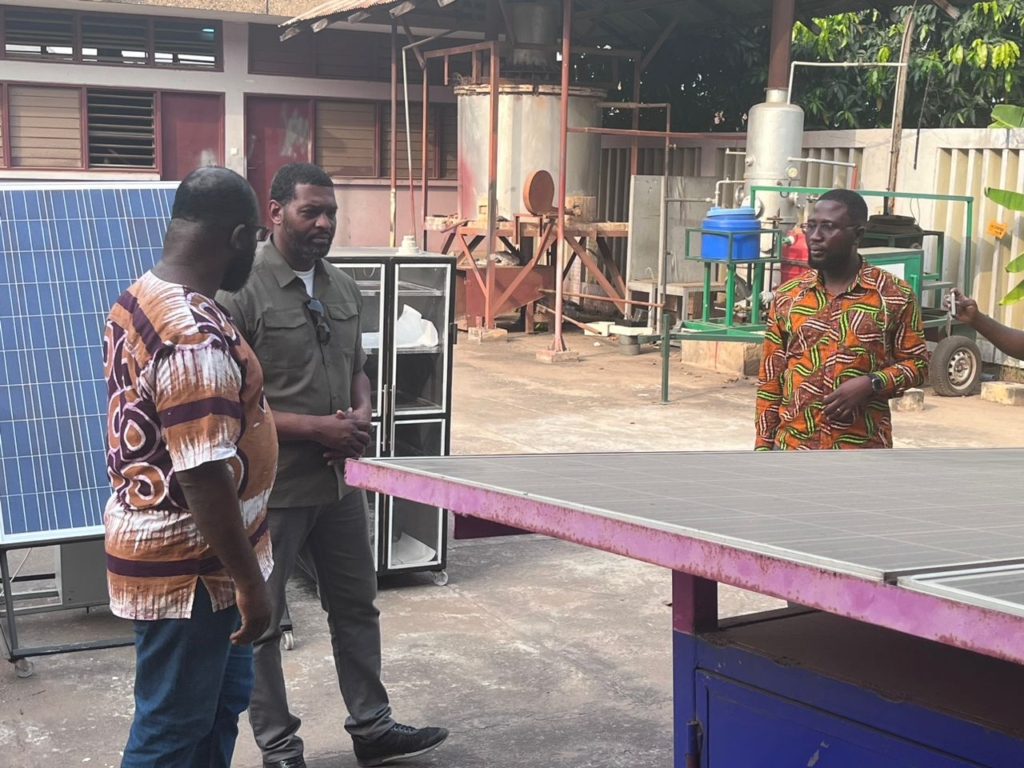
He said air quality monitoring and the transparency of data were very critical so that each community could understand what the impacts were, helping to determine the source of air quality pollution.
"We believe that our governments together can design programmes to tackle those sources of emissions whether they are coming from heavy-duty vehicles, or from specific facilities that are stationary," Mr Regan said.
"Being able to measure those air emissions is important; determining where they are coming from is also important because that gives us the opportunity to work towards mitigating those emissions by tackling the unique sources, with programmes specifically designed for them".
Dr. Francis Boateng Agyenim, Director, CSIR-IIR, told the Ghana News Agency that smoke from inefficient cookstoves made users sick and was killing many.
“I have lived in the village and I have seen and can attest to how inefficient cookstoves affect the health of users. Physically people’s eyes swell and their lungs are affected too,” he said.
He noted that many river bodies and vegetation had disappeared in local communities partly due to drought associated with climate crisis and also felling of trees to power inefficient cookstoves.
“There are real examples around us. If we continue to use the firewood and charcoal without finding effective ways of ensuring sustainability, we are hurting our plant and causing existential threats,” he added.
Poor air quality in Ghana is mainly caused by cooking using wood and charcoal, road transport, slash-and-burn methods of farming, open waste burning, energy generation, accidental fires and industry.
While deaths from household air pollution have decreased since 1997, deaths from outdoor air pollution have increased.
More than 70 per cent of Ghanaians use biomass fuel, such as firewood, charcoal, and agricultural waste for cooking, which exposes them to harmful air pollutants.
Around 13,400 deaths occur per year in Ghana from smoke-related illnesses attributable to household air pollution from the use of biomass fuel for cooking.
Due to their high exposure to cookstoves in the home, children under the age of five are considered most vulnerable.
Latest Stories
-
Rev. Prof. Frederick Amevenku elected 15th Moderator of E.P. Church Ghana
36 seconds -
Photos: Nkwa Hia Fit & Free Health Walk 2026
8 minutes -
A person stopped by police can record for evidence – NRSA
53 minutes -
New Road Traffic Law introduces separate licensing regime for commercial drivers
1 hour -
Ghana must move beyond enforcement to tackle road deaths – Appiah Kusi Adomako
2 hours -
Kusi Adomako calls for road crashes to be declared a public health emergency
2 hours -
Ghana makes history with international karting debut
2 hours -
Playback: The Law discussed new road traffic rules
3 hours -
What’s driving men to get penis fillers, despite the risks?
3 hours -
The world’s oldest president left for a ‘brief stay’ in Europe, he hasn’t returned in two months
3 hours -
Trapped driver rescued after accident on Kintampo–Tamale highway
3 hours -
Civil Service must put citizens at centre of decision-making – Vice President
3 hours -
Firefighters battle blaze at Accra New Town apartment
3 hours -
Ghana receives five new envoys to strengthen diplomatic relations – Ablakwa
4 hours -
Europe’s tallest Virgin Mary statue unveiled in rural Poland
4 hours