

Audio By Carbonatix
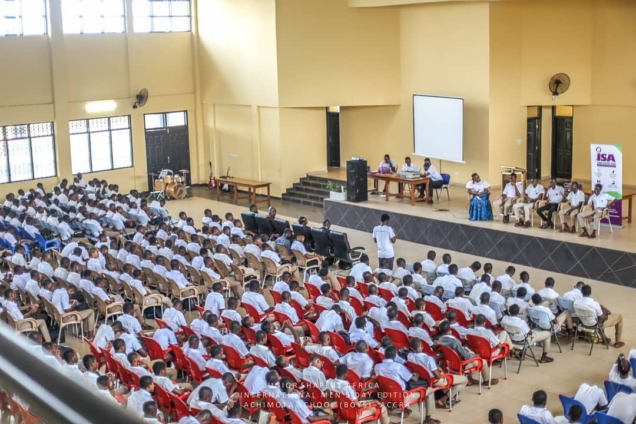
Founded in 2018 by Dr. Jerome Teelucksingh in Trinidad & Tobago, World Day of the Boy Child is annually observed by 29 countries including Junior Shapers Africa (JSA Boys Mentorship) based in Ghana.
WDBC seeks to celebrate the contributions of boys as well as address their silent struggles.
The observance for 2024 is themed, “Cool Boys; Teaching Boys How to Manage Anger and Aggression.
Managing anger and aggression is a crucial skill for boys to learn, as these emotions, if not properly handled, can lead to negative outcomes in personal, academic, and social contexts. Boys often face societal pressures to exhibit toughness and suppress vulnerability, which can exacerbate feelings of anger and aggression. Educating boys on healthy emotional management is essential for their overall well-being and development.
Understanding Anger and Aggression
Anger is a natural and often healthy emotion that arises in response to perceived threats or injustices. However, when anger escalates into aggression—physical or verbal behavior intended to cause harm—it becomes problematic. Aggression can lead to conflicts, strained relationships, and legal issues.
Boys may experience anger due to various factors, including stress, frustration, feeling misunderstood, or encountering unfair treatment. Recognizing these triggers is the first step in managing anger effectively.
Anger Management Strategies To Support Boys
1. Emotional Awareness and Expression:
- Identify Emotions: Teach boys to recognize and name their emotions. Using emotion charts or journals can help them articulate feelings rather than act them out aggressively.
- Express Emotions Healthily: Encourage boys to talk about their feelings with trusted adults or peers. Validate their emotions to reduce the stigma around expressing vulnerability.
2. Developing Coping Mechanisms:
- Physical Activities: Encourage physical activities like sports, martial arts, or even a simple walk to release pent-up energy and reduce stress.
- Relaxation Techniques: Introduce relaxation methods such as deep breathing, meditation, or yoga. These practices can help boys calm their minds and bodies during moments of anger.
3. Problem-Solving Skills:
- Conflict Resolution: Teach boys how to resolve conflicts through communication rather than aggression. Role-playing scenarios can be effective in practicing these skills.
- Decision-Making: Help boys develop a step-by-step approach to problem-solving. This can involve identifying the problem, brainstorming solutions, evaluating consequences, and choosing the best course of action.
4. Modeling and Reinforcement:
Positive Role Models: Ensure that boys have access to positive male role models who demonstrate healthy ways of handling anger and aggression.
Reinforcement:Provide positive reinforcement when boys manage their anger well. Praise and rewards can motivate them to continue practicing these skills.
5. Educational Programs and Workshops:
- Schools and community mentorship initiatives provided by JSA Boys mentorship can offer programs specifically designed to teach emotional regulation and anger management. These programs often use a combination of group discussions, activities, and individual exercises to build skills.
6. Creating a Supportive Environment:
- Safe Spaces:Create environments where boys feel safe to express their emotions without fear of judgment. This can be in the home, school, or community settings.
- Parental Involvement: Educate parents on the importance of supporting their sons in managing anger. Parents can reinforce skills at home and provide a consistent message.
Long-Term Benefits
Teaching boys to manage their anger and aggression has long-term benefits. These skills contribute to better mental health, improved relationships, and greater academic and career success. Boys who learn to handle their emotions constructively are less likely to engage in violent behavior and more likely to develop empathy and emotional intelligence.
Conclusion
Managing anger and aggression is a critical life skill for boys, helping them navigate the challenges of growing up in a complex world. By providing them with the tools to understand, express, and cope with their emotions, we equip them to lead healthier, more fulfilling lives. Through emotional awareness, positive role models, and supportive environments, boys can learn to channel their anger into positive actions and develop into well-rounded individuals.

About Junior Shapers Africa Boys Mentorship
Founded in 2015, JSA Boys Mentorship is Ghana’s premier boys mentorship advocacy & grooming initiative.
It hosts a variety of extracurricular & social impact programs to cater for various age groups of boys and their developmental needs through mentorship.
Mentors, volunteers and partners are invited to support the annual JSA Boys To Men Mentorship Tour to address the silent struggles of male students across Ghana
Latest Stories
-
Ghana housing finance conference adopts communiqué to improve affordable housing access
3 hours -
Special Initiatives Minister urges Wa Technical Institute to enrol more girls as EU-backed solar training lab opens
4 hours -
In the matter of my first year at the Bar
4 hours -
ActionAid Ghana calls for an end to child marriage, greater investment in girls’ rights
4 hours -
Newsfile to tackle World Cup visa scandal, beach demolitions, education strikes, BRICS bid
4 hours -
UK-Ghana Trade & Investment Summit: Trade Resource Centre to help businesses maximise UK-Ghana trade opportunities
5 hours -
Embassy of Denmark celebrates World Maritime Day
5 hours -
Linking LEAP to productive inclusion could cut extreme poverty by 2030 – UNICEF
6 hours -
Trade Ministry backs use of creative arts to rehabilitate prison inmates
6 hours -
Negotiations with government to continue despite strike suspension – GNAT
6 hours -
‘Ghana cannot afford to waste public resources; every cedi has a job’ – Ato Forson
6 hours -
Ghana expects economic boost as World Assemblies of God Congress brings 10,000 delegates to Accra
6 hours -
Joy in Nayilifong as Farouk Aliu Mahama donates 100kVA transformer to improve power supply
7 hours -
Chief Justice urges employers to tackle mental health stigma in workplaces
7 hours -
Analysis: Ghana’s yellow fever numbers reveal a gap between vaccination and protection
8 hours