

Audio By Carbonatix
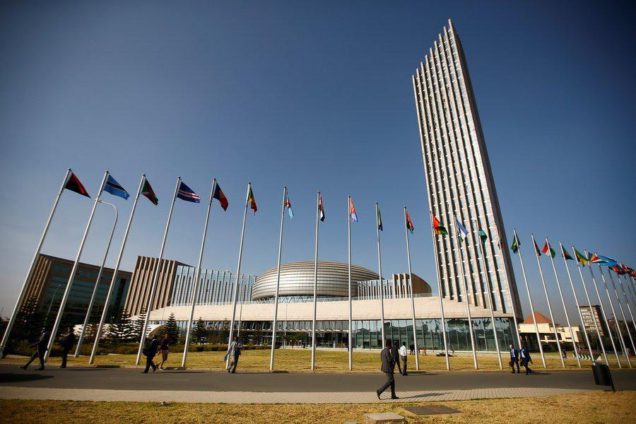
As African Foreign Ministers gather in Accra this week, the search for a new African Union (AU) Head has officially begun. This meeting marks a critical moment for the continent, as leaders contemplate the direction of Africa's premier multilateral body. The stakes are high, and the choice of a new leader comes at a pivotal juncture.
I recall with pride my involvement in the dialogues transitioning from the Organization of African Unity (OAU) to the AU. Working alongside iconic leaders like Julius Nyerere, Nelson Mandela, Thabo Mbeki, Olusegun Obasanjo, Abdelaziz Bouteflika, Muammar Gaddafi, and Alpha Oumar Konaré was not just an honour but a profound learning experience. These leaders embodied a vision for Africa that was bold, united, and forward-thinking. Today, however, it is clear that the AU needs a radical transformation to live up to the legacy it left behind.
Africa stands at a pivotal moment in its history. Despite having a predominantly youthful population—60% are under the age of 25—and boasting many of the world’s fastest-growing economies, the continent remains plagued by high youth unemployment, weak institutions, and political instability. As the AU contemplates its next leader, it is critical to seize this moment for monumental transformation.
The AU needs a leader who embodies the spirit of innovation, dynamism, and a forward-thinking vision. The duality of a youthful population and rampant unemployment have created a feeling of disenfranchisement among the youth. This population, if well harnessed, represents a powerful force of creativity, energy, and potential. Thus, many commentators on Africa’s political affairs feel the time is ripe for the AU to have a leader who resonates with and understands the aspirations of this tech-savvy and vibrant demographic.
Criteria for the Ideal 2024 AU Head
Beyond innovation, the ideal candidate should possess:
- Visionary Leadership: Ability to articulate and drive a bold, united, and forward-thinking vision for Africa's future.
- Intergenerational Bridge: Capability to bridge generational divides within the AU, fostering intergenerational dialogue and including the perspectives of all age groups in policymaking processes.
- Technological Proficiency: Engagement with modern technologies, social media, and contemporary global trends to bring fresh perspectives and innovative solutions to the continent’s challenges.
- Conflict Resolution: Strong leadership in addressing conflicts and crises effectively, with a coherent strategy for conflict resolution across the continent.
- Institutional Reform: Commitment to spearheading institutional reforms, enhancing financial sustainability, and streamlining decision-making processes to address the AU's bureaucratic challenges.
- Economic Development: Drive economic reforms, attract investment, and foster a business-friendly environment to tap into Africa’s vast resources and young population.
- Democracy and Human Rights: Firm stance against electoral irregularities and human rights violations, supporting efforts to strengthen democratic institutions and processes.
- Empowerment of Women and Youth: Promotion of policies that enhance gender equality and provide opportunities for young people to participate in governance and economic activities.
The AU, since its inception, has played a crucial role in fostering peace, unity, and cooperation across the continent. However, like any longstanding institution, it requires periodic reorganization to stay relevant and effective. The AU must streamline its operations, embrace digital transformation, and adopt a more inclusive approach to leadership that aligns with current geopolitical trends. An innovative leader is imperative, bringing fresh perspectives and innovative ideas essential for tackling longstanding issues such as economic development, regional integration, and sustainable governance.
The selection of the new leader has been zoned to East Africa and so far, candidates from Seychelles, Djibouti, Kenya, and Somalia have shown interest in the post of AU Commission Chairmanship. Analysts across the continent have been examining these candidates, who are experienced and possess numerous positive attributes. However, broadening the search to include more potential candidates, such as Amina Mohamed of Kenya, Donald Kaberuka of Rwanda, and January Makamba of Tanzania, plus others will bring a greater variety of perspectives and strengths to the fore. This expanded scope ensures the selection of a leader who embodies the innovative spirit needed to drive the AU forward.
Africa’s future depends on leaders who are not just experienced but also visionary and attuned to the current global landscape. An innovative leader brings creativity, energy, and a deep understanding of the aspirations of Africa's youth to the AU. This can catalyze transformative change, strengthen unity among member states, and position the AU as a proactive force in advancing Africa's interests on the global stage.
The AU’s leadership at this critical juncture requires more than experience; it requires innovation, youthful energy, and a visionary approach. Africa deserves a leader who can reorganize and modernize the AU, much like what Dr. Akinwumi Adesina has accomplished at the African Development Bank (AfDB). Under Adesina's leadership, the AfDB has undergone significant transformation, embracing innovation to enhance its operational efficiency and impact. Adesina introduced the "High 5" development priorities—Light up and Power Africa, Feed Africa, Industrialize Africa, Integrate Africa, and Improve the Quality of Life for the People of Africa. These initiatives have been instrumental in mobilizing resources, fostering sustainable development, and promoting economic growth across the continent. His emphasis on leveraging technology and innovation has positioned the AfDB as a catalyst for change, driving progress in critical areas such as energy, agriculture, industrialization, and infrastructure development. This type of visionary leadership is precisely what the AU needs at this pivotal moment.
This is the moment for a new generation to step forward and lead Africa into a prosperous and dynamic future.
*****
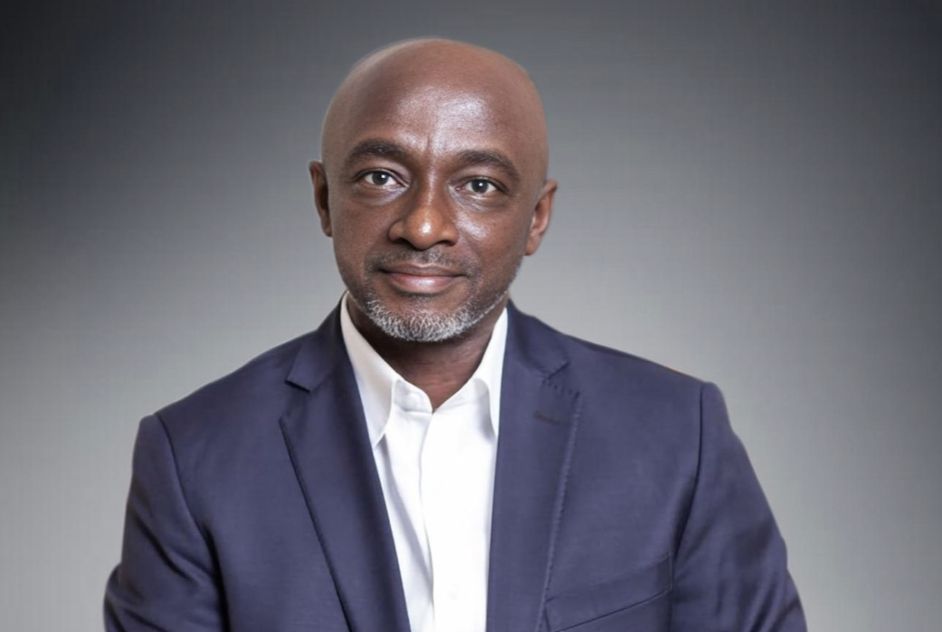
Edward Boateng is a seasoned diplomat and media executive, having served as Ghana's Ambassador to China, former Director of the State Interests and Governance Authority in Ghana, previously Head of CNN in Africa, and Founder of Global Media Alliance. His extensive experience in both public service and media has given him a unique perspective on the importance of innovative leadership and strategic vision in driving institutional and continental progress.
Latest Stories
-
Teacher unions strike: Gov’t presents fresh proposals as talks end inconclusively
22 minutes -
51,000 teachers’ promotion arrears to be validated for October payment – Education Minister
52 minutes -
Kwabena Boamah appointed Board Chair for Impact Investing Ghana
60 minutes -
Striking teacher unions to meet Fair Wages and Salaries Commission on October 6
1 hour -
EOCO working with AG to arraign Nana Baffour Awuah before weekend court
1 hour -
Duraplast reassures customers after fire, announces October 5 reopening
1 hour -
Call off strike, gov’t will not renege on promotion arrears pledge – Haruna Iddrisu appeals to teacher unions
1 hour -
Committee set up to validate teachers eligible for 20% deprived-area allowance – Education Minister
2 hours -
Five-member committee to search for new Black Stars coach after Sports Ministry-GFA meeting
2 hours -
Pinktober: Breast cancer survival exceeds 90% when detected early – Breast Society of Ghana
2 hours -
TCDA to adopt Upper West’s MATCO mango farm as northern prototype, issues warning against felling shea trees
2 hours -
‘Fear delegates’ tag: Afoko touts genuineness among delegates ahead of NPP delegates conference
2 hours -
John Boadu: The leader our party needs at this time – Amb. Edward Akwasi Boateng
3 hours -
Baffour Awuah: EOCO arrested, detained MP after hours of waiting, questioning – Afenyo-Markin
3 hours -
EOCO court warrant authorised search of Baffour Awuah’s law firm, not residence – Afenyo-Markin
3 hours