

Audio By Carbonatix
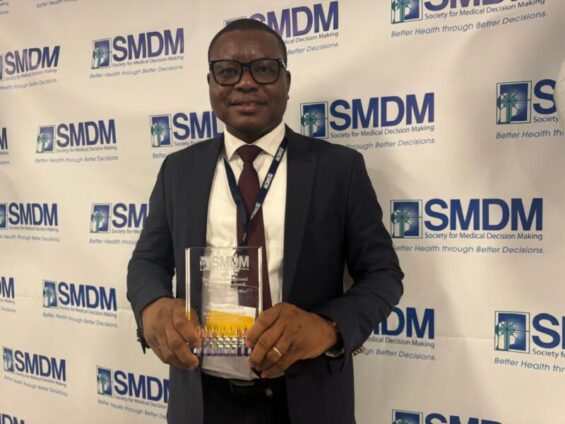
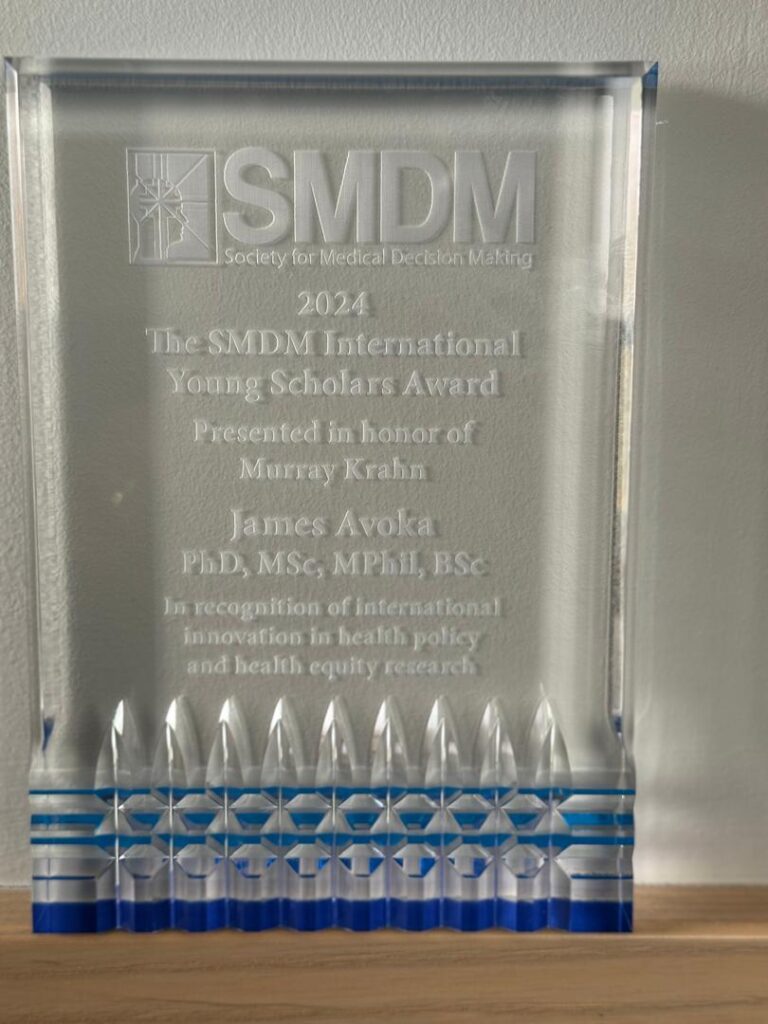
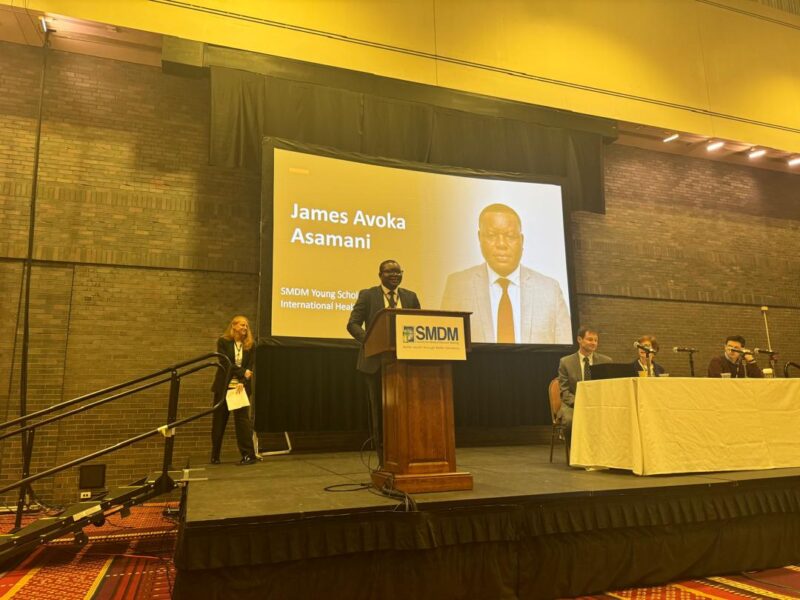
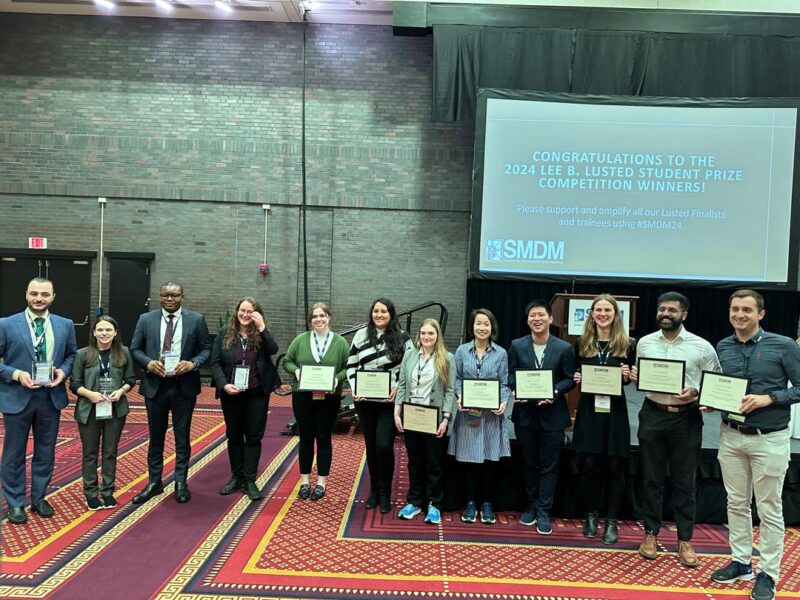
A Ghanaian health economist and health systems scientist, Prof. James Avoka Asamani, has been honoured with the International Scholar Award by the Society for Medical Decision Making (SMDM) during its 46th Annual Meeting in Boston on Wednesday, October 30.
The award recognises Prof. Asamani's efforts in promoting evidence-based planning, needs-based approaches, and strategic workforce management. His work has shed light on the importance of aligning health workforce supply with population health needs, and the need for robust data and analytical tools to inform decision-making
Prof. Asamani is currently the Health Workforce Team Lead for the World Health Organization (WHO) in Africa, where he manages technical support for health workforce development in 47 countries.
His efforts have resulted in transformative health policies, generating hundreds of millions of dollars in investments for the health workforce and creating thousands of jobs in the health sector across the continent.
He says the award highlights the crucial role of diligence and evidence-based decision-making in tackling complex health policy issues.
“This award demonstrates the diligence and evidence-based decision-making is critical in addressing complex health policy issues,” he said.
According to him, the recognition serves as a motivator for him, his mentors, colleagues, and collaborators to intensify their efforts in supporting countries and decision-makers in adopting evidence-based health policies.
“This recognition is more about what we have started and it will motivate me, my mentors, colleagues and collaborators to work harder to assist countries and decision-makers to pursue evidence-based health policies towards a healthier and fairer future for Africa.”
Renowned worldwide for his expertise in health economics and modeling, Prof. Asamani has promoted the use of decision science methods to align health workforce planning with disease burden and service requirements, enhancing the preparedness and sustainability of African health systems.
Over his career, he has created methods that bolster health systems by incorporating patient needs, service standards, and the economic factors essential for effective workforce planning.
His needs-based model, developed during his PhD studies at North-West University in South Africa, has become an essential tool for determining the workforce mix needed to meet specific health needs in Africa and beyond.
At the 46th Annual Meeting of SMDM, Prof. Asamani presented a modeling initiative conducted by WHO, which was published in the BMJ Global Health journal last week. This initiative forecasts health workforce requirements across 47 African countries, highlighting the urgent need to address Africa's shortfall of 6.1 million health workers by 2030.
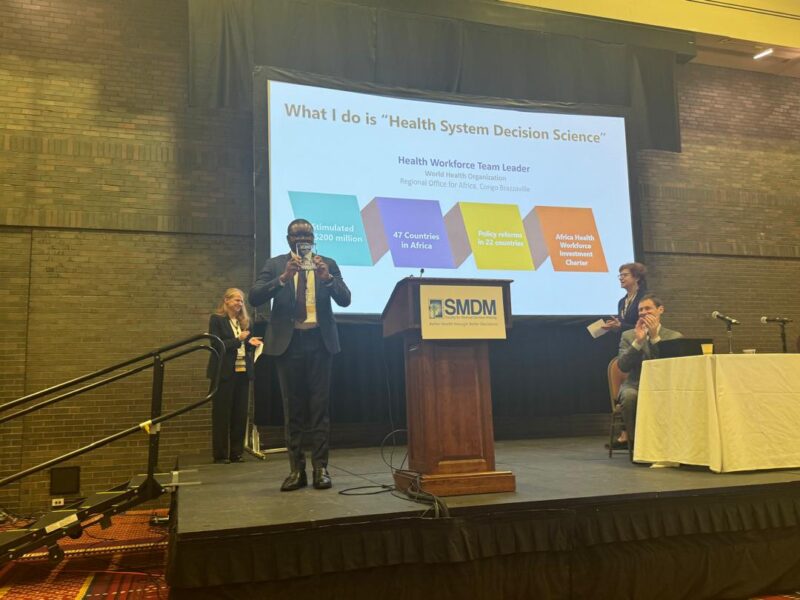
Prof. Asamani's work is transforming Africa's healthcare landscape, by sparking policy discussions on health investment, and the urgent need to expand the continent's healthcare workforce to meet growing demands.
His innovative application of decision science in health policy extends to critical areas like health system efficiencies, hypertension treatment cost management, and COVID-19 dynamics.
“I have been at the forefront of using decision science to help countries transform their health policies and make better investments in their health workers,” he told JoyNews.
Latest Stories
-
Ghana Prisons Service on manhunt for 29-year-old escapee
1 minute -
Researchers warn Ghana’s coastal erosion could worsen
3 minutes -
Algeria claim first-ever podium finish after penalty shootout win over hosts Morocco
2 hours -
NPP struggled even in traditional strongholds in 2024 – Annoh-Dompreh
2 hours -
NPP must elect strong parliamentary candidates to reclaim Greater Accra seats – Patrick Boamah
2 hours -
Abdul-Aziz Abdu-Rahaman elected NPP Upper West Regional Chairman
2 hours -
Iddrisu Sulemana edges Clifford Braimah to become NPP Savannah Regional Chairman
2 hours -
‘Arrogance of power’ is driving voters back to NPP in Ashanti Region – Paul Adom-Otchere
2 hours -
They demolish buildings and tell us they’re building 24-hour markets – Paul Adom-Otchere
2 hours -
NPP’s 2024 Bolgatanga Central Parliamentary Candidate elected Upper East Regional Chairman
2 hours -
Incumbent Northern NPP Chair wins as new faces break through in party executive elections
3 hours -
Former Health Minister Okoe Boye elected NPP Greater Accra Regional Chair
3 hours -
Joseph Kobinah Esibu elected NPP Central Regional Chairman
3 hours -
Fernandez booed by Chelsea fans as Alonso offers glimpse of blueprint
3 hours -
PSG sign World Cup winner Torres from Barcelona
3 hours