

Audio By Carbonatix
With over 70% of households in Ghana’s urban and sub-urban areas still relying on charcoal and firewood, the need for urgent, sustainable alternatives to traditional cooking methods has never been clearer.
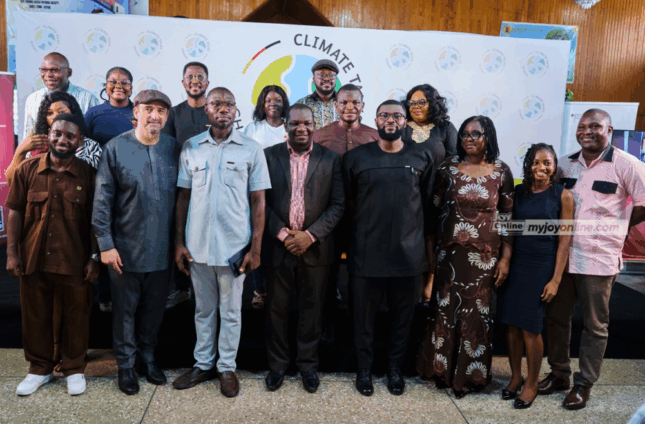
In a bold step towards addressing this challenge, JoyNews, in partnership with the German Embassy, hosted the maiden edition of the Climate Talks Dialogue in James Town, to promote clean cooking solutions across the country.
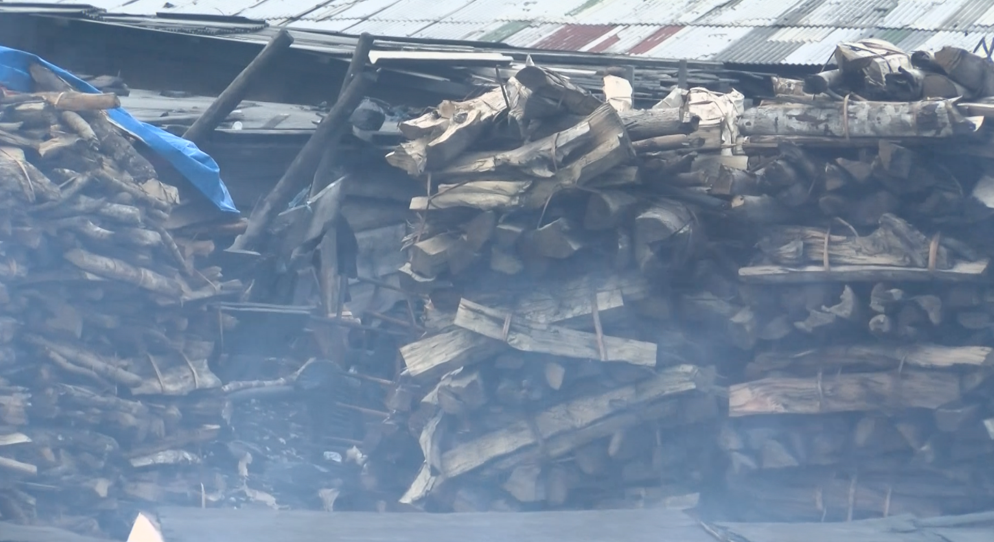
Household air pollution remains a silent killer, responsible for an estimated 16,000 premature deaths annually in Ghana. Urban areas account for 8,500 of these deaths, with the remaining 7,600 occurring in rural communities. What is the cause? The toxic black carbon emissions released from burning biomass fuels like charcoal and firewood.
Beyond health, the environmental toll is faltering. Over 90% of Ghana’s original forest cover has been lost, largely due to deforestation linked to the demand for firewood and charcoal. According to Deputy National Director of A Rocha Ghana, Daryl Bosu, the production and importation of charcoal especially from the savannah regions has become a major driver of forest degradation.
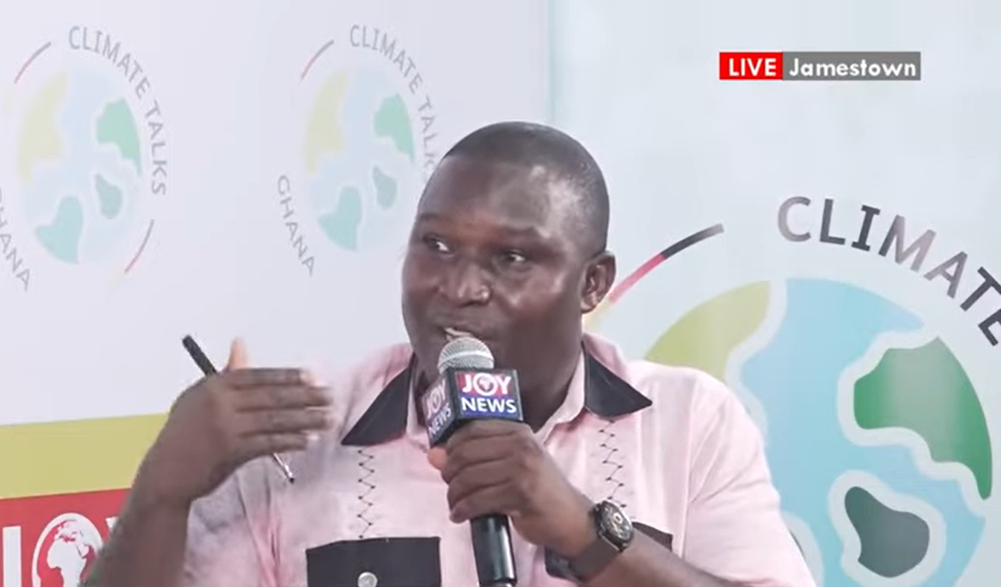
“An estimated 14.9 million tonnes of trees are felled annually for charcoal and firewood. At this pace, we risk losing forests in key charcoal-producing regions within two decades,” Bosu warned.
The health impacts are particularly devastating for women and children. Dr. Richard Bright Danyoh of the Ghana Paediatric Association emphasized that prolonged exposure to smoke from traditional cooking fuels is equivalent to smoking two packs of cigarettes daily.

“The effects are severe especially for pregnant women and young children. We’re seeing increased rates of asthma, allergies, pneumonia, and even congenital malformations. About 52% of birth defects may be linked to household air pollution from unclean cooking,” he noted.
Despite the harsh realities, there is progress. The Chairperson of the Ghana Alliance for Clean Cooking, Sarah Naa Dedei Agbey highlighted that while biomass usage stood at 85–90% in 2012, the numbers are gradually declining.
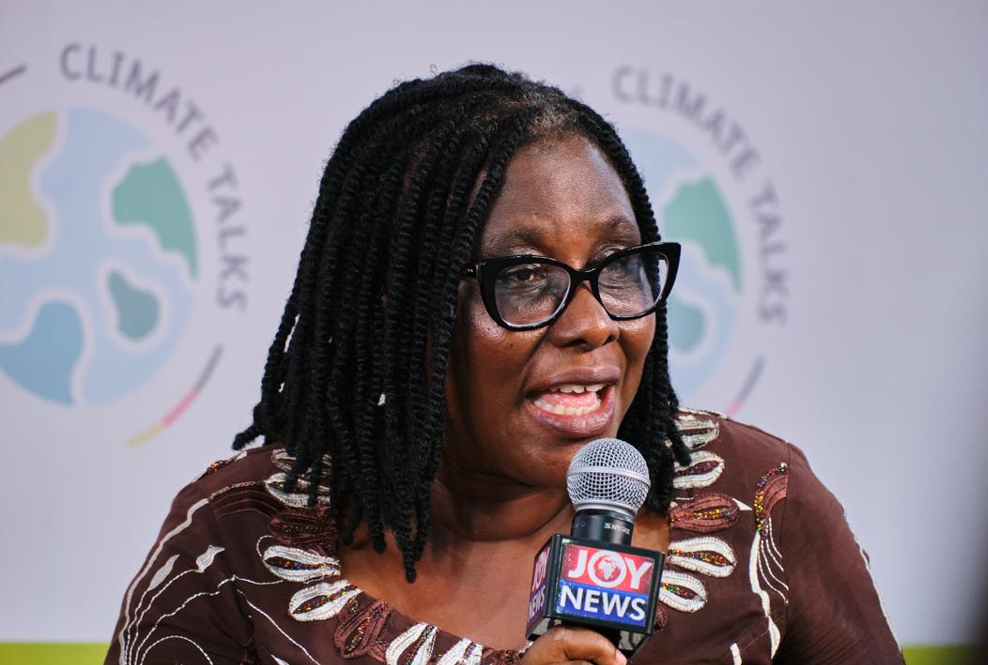
“Ghana now has a clean cooking policy and strategy in place, supported by an investment prospectus to guide national efforts. It shows we’re on a path towards cleaner, healthier homes but we can’t afford to relax yet,” she stated.
In relation to this, Executive Director of the Institute for Sustainable Energy and Environmental Solutions (ISEES), Lovans Owusu-Takyi, called for a wider adoption of clean cooking technologies, especially in sub-urban and urban areas.

“Switching to improved cookstoves and clean fuel options doesn’t just protect health—it’s also cost-effective and convenient. The benefits, both environmental and personal, are immense,” he said.
The Climate Talks Dialogue highlighted a simple truth, the future of cooking in Ghana must be cleaner, healthier, and more sustainable. And that future starts with the choices we make today.
Latest Stories
-
De la Fuente extends Spain contract to 2032
13 minutes -
Raphinha hat trick in Barcelona’s 7-goal rout of Santander
13 minutes -
Carabao Cup fourth-round draw: Liverpool to host Chelsea as Arsenal drawn away to League Two Fleetwood
23 minutes -
Mbappe, Vini and Konate obscure Real’s Ceuta message
23 minutes -
Reggie Rockstone named Unichem Ghana brand ambassador
31 minutes -
Man United lose to Brighton from 2-0 up to end 50-year record
33 minutes -
Man United lose to Brighton from 2-0 up to end 50-year record
34 minutes -
Petrol and diesel price rises push UK inflation higher
44 minutes -
City of David Foundation donates to Koforidua Hospital, Koforidua Prison
46 minutes -
AMA says Konkomba traders were consulted ahead of Agbogbloshie 24-hour market project
1 hour -
Let’s pilot Chinese in public schools before scaling up – EduWatch
1 hour -
Ghanaian tech professionals develop SMS-based AI tool for non-smartphones
2 hours -
MTN@30: Three customers drive away brand-new Land Cruiser Prado in Kumasi
2 hours -
If BOST made GH¢684m profit, why use NPA Bill 2026 to weaken it? – IERPP questions Gov’t
3 hours -
NPP alleges executive, administrative confusion over Arabic, Chinese language policy
3 hours