

Audio By Carbonatix
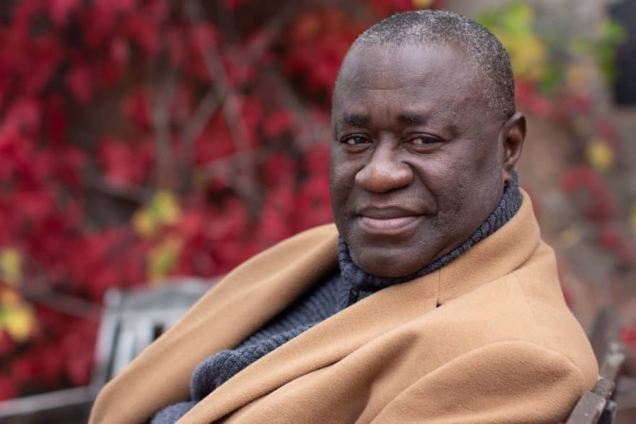
Security expert, Prof Kwesi Aning, says Ghana’s fight against illegal mining, known locally as galamsey, is failing to make real progress because authorities continue to focus on those employed as miners rather than the powerful financiers behind the operations.
Speaking on JoyNews’ Newsfile on Saturday, October 11, Prof Aning said the country’s current approach to tackling illegal mining was too superficial and has failed to address the deeper, more organised networks that fund and sustain the menace.
“We need a better grasp and understanding of the networks, the financial kingpins behind this, where the money goes, how the money comes in, who purchases what,” he said.
He said that security agencies were largely targeting low-level actors instead of the real beneficiaries of illegal mining activities.
“We are only playing with the small boys and the small girls, so until we really come to grips with the powers that be behind this process, I think yes, we will have superficial successes, but really making a dent into this is still a joke,” Prof Aning stated.
He warned that while recent operations may produce some short-term gains, they do not offer lasting solutions to the environmental and economic destruction caused by galamsey.
“We are only looking at short-term successes and gains, but overlooking the long-term interventions that will cure this,” he said.
Prof Aning questioned why special task forces such as the National Anti-Illegal Mining Operations Squad (NAIMOS) seemed to be achieving more visible results than the country’s legally mandated security institutions.
“How can NAIMOS do what it is doing, and the statutory security agencies under Act 1030 of 2020, the Signals Act 1040 of 2020, and the National Security Strategy document, which classifies illicit mining as one of four key threats, cannot get this job done?” he asked.
He said that the failure pointed to a deeper problem of inadequate political will to empower institutions to act effectively.
“Then it is a matter of the nature of the political will that must back the institutional processes and give them the tools to deliver,” Prof Aning said.
Latest Stories
-
Epiroc urges businesses to deepen support for education in mining communities
1 minute -
Jay-Z rape accuser says her allegation was false
1 minute -
KNUST SHS, OWASS, YAGSS progress to national stage of Public Speaking Competition
5 minutes -
10 rooms destroyed in Bebianiha house fire
8 minutes -
Government repatriates 180 Ghanaians from Libya
12 minutes -
GNAT demands independent probe into death of teacher at Gindabour
13 minutes -
Mark Carney says he has considered possibility of US military action against Canada
13 minutes -
Gindabour: GNAT demands GES statement on death of teacher
14 minutes -
6th Western Gospel Awards unveils nominees ahead of November ceremony
15 minutes -
GMTF, GNPC open talks on stronger support for specialised healthcare
17 minutes -
Adu-Boahene case: Atta Akyea files no-case submission, cites evidential gaps, inconsistencies and failure to call material witnesses
35 minutes -
Manchester City ‘found guilty of majority of 115 charges’
43 minutes -
From abandoned ruins to model residence: How Techiman North DCE fulfilled 9-month promise
46 minutes -
Francis Spio Jungo appointed to FanteFest 2026 planning committee
49 minutes -
Roots and Routes uses health walks, air sensors and tree planting to tackle air pollution in Ghana
54 minutes