

Audio By Carbonatix
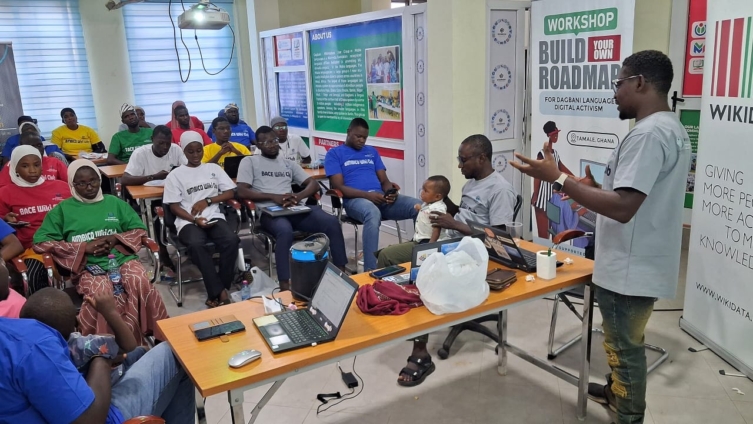
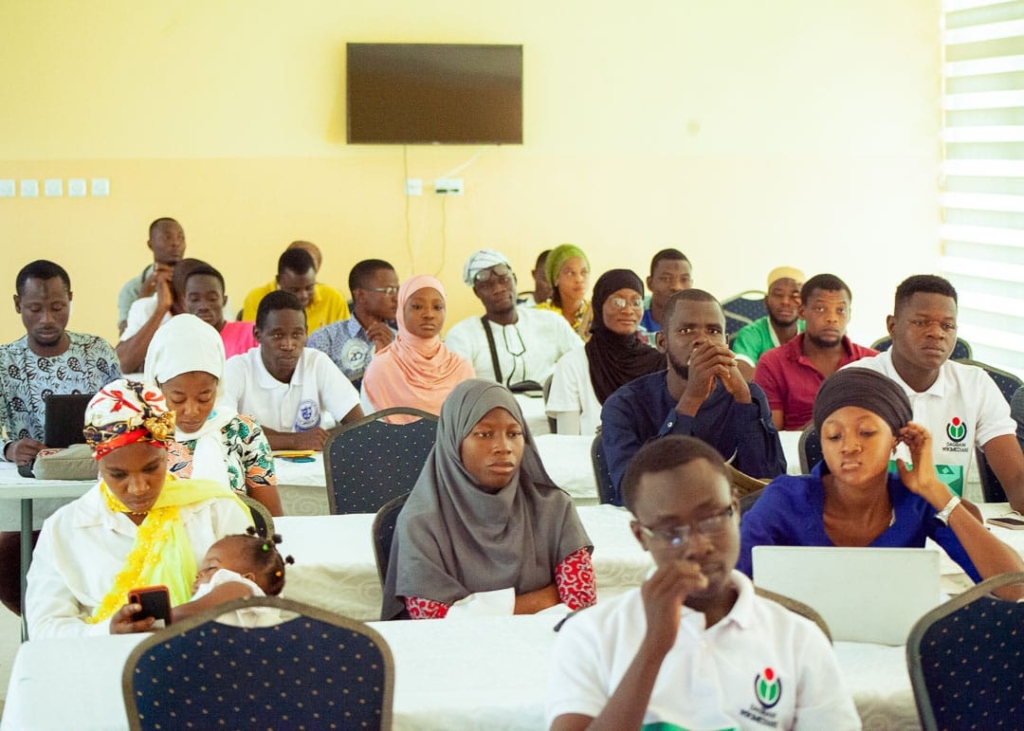
In Northern Ghana, a group of digital-savvy youth is using the internet to digitize their local languages for generations to come. From Dagbani to Kusaal, Gurene, Dagaare, and Waali, these volunteers are making sure their languages can be read and learned online. Their goal is to keep their culture and identity alive for the next generation.
It started with the Dagbani Wikimedians User Group, a team of language supporters who wanted to put Dagbani on Wikipedia, the free online encyclopedia.
Executive Director, Mr. Sadik Shahadu, says the community started small, but with big dreams. “We started small, but with a big dream — to make Dagbani visible on the internet and on Wikipedia.”
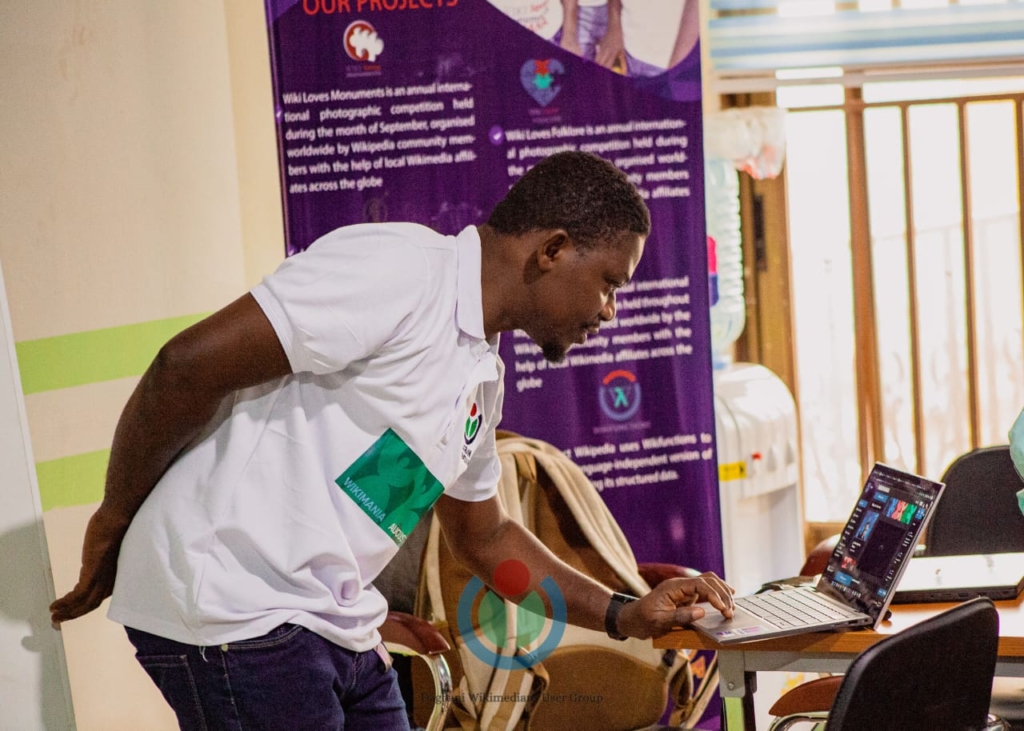
Now, the group has grown and inspires other communities.
“Our goal is to make sure future generations can read, learn, and communicate in Dagbani online,” he adds.
For them, language is part of who they are. Everyone can help digitize and preserve it.
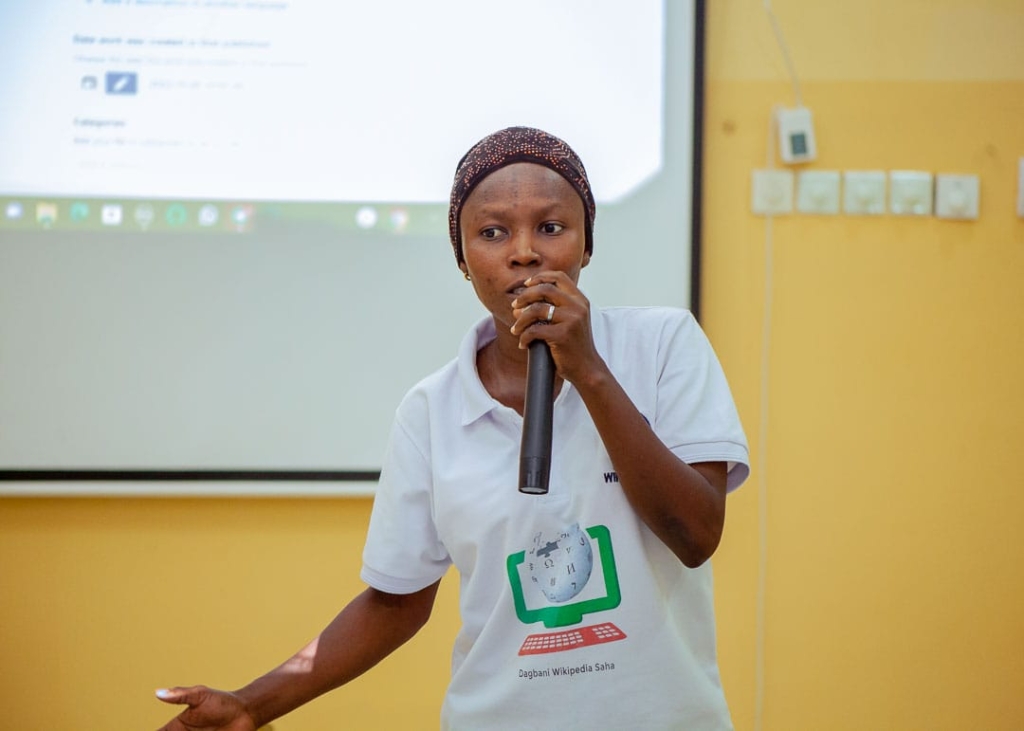
Advocacy Officer, Rukaya Hamidu, explains that being a volunteer for the community does not depend on someone’s educational level but on commitment. “Being a volunteer for Wikipedia doesn’t depend on your gender, age, or education level. Everyone is welcome.”
She says that when people see their language online, they feel proud.
“When people see their language online, they feel proud. It tells them they belong to something bigger,” she says.
The team believes that the internet is important for keeping languages alive.
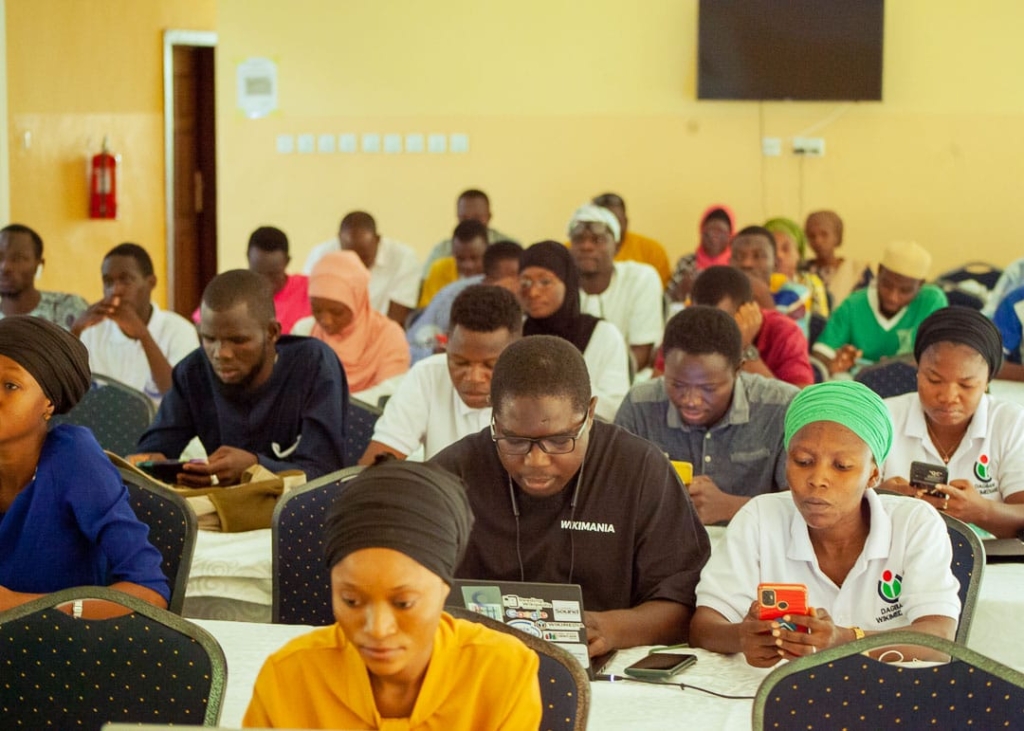
Project Coordinator, Musah Fuseini, emphasises the need to make good use of the digital space since it has come to stay. “The digital space has come to stay. We must project our languages and cultures to the world.”
Musah and his colleagues train young people to create and edit Wikipedia articles in local languages.
“We are building digital skills and at the same time protecting our heritage,” he says.
Some members work behind the scenes to make sure the group can continue.
But there is one person who ensures the community continues its projects all year round. That is the Grant Manager, Mohammed Kamaldeen Fuseini, whose job is to find a grant for the group.
My job is to find grants and ensure the group has the funds to support its activities.”
He adds: “We are grateful to the Wikimedia Foundation, our main sponsor, for believing in our mission.”
Social media and community facilitation also help spread their work. While Fuseini Mugisu Suhuyini, Social Media Manager, makes sure their work reaches more people, Abdul-Rafiu Fuseini recruits committed volunteers for the group.
“I make sure our work reaches more people on social media so that others can learn to contribute.”
“We use Facebook, X, and YouTube to show what we do — and it inspires many to join us.”
MORE LANGUAGES JOIN
The work has grown beyond Dagbani. The group is now working with Gurene, Kusaal, Dagaare, and Waali.
Mr. Shahadu says the success of Dagbani gave confidence to others. “Now, we have Gurene, Kusaal, Dagaare, and Waali joining us.”
“It’s a group of communities — each keeping their ancestors’ voices alive.”
In Bawku, the Kusaal Wikimedians Community (KWC) is building digital content for Kusaal. Engr Mahmud Mohammed-Nurudeen Winna’amzua, Co-lead, says KWC wants to ensure the language is passed on digitally to the next generation beyond Ghana.
“We want to make sure our language is preserved, maintained, and passed on digitally.”
Abande Isaac, Communications Lead, adds that, one day, anyone in the world can learn Kusaal on the internet.
“Our dream is that one day, anyone in the world can learn Kusaal just by going online.”
In Bolgatanga, Daniel Abugri leads the Gurene Wikimedians Community, and in Wa, Zakaria Bukari leads Waali Wikimedians.
According to Daniel Abugri, his team is teaching people to edit and write articles in Gurene “so that our language stays alive.”
Challenges Ahead
The team faces problems like slow internet and a lack of technology in some communities.
Engr Winna’amzua says the internet is slow in “our communities. Sometimes, it affects training sessions.”
Some languages do not have standard spellings, which makes editing harder.
“Some languages don’t have standard spellings yet, and that makes editing a bit difficult,” says Daniel.
University students and volunteers are working together to keep their languages alive online.
Thanks to these Wikimedians, the voices of their ancestors will continue to be heard.
Latest Stories
-
The thing that transforms An Image into Art is The Point of View
4 minutes -
Mahama: Ghana’s health reset will prioritise local drug production
23 minutes -
Mahama lists maternal and child health as first test of Accra Reset
24 minutes -
Beyond the GH¢500b Target: A legislative blueprint to protect Ghana’s workforce (Part 2)
25 minutes -
Alan Kyerematen explains why he contested 2024 election under Movement for Change
25 minutes -
+233 to host Pat Thomas’ 80th birthday concert
52 minutes -
EPA warns climate resilience plans face $22.6bn financing demand
53 minutes -
Today’s front pages: Tuesday, September 22, 2026
54 minutes -
Alan: ‘NPP has abandoned values of UP tradition, but I believe in those values’
55 minutes -
Sustaining economic gains is Mahama’s real test – Alan Kyerematen
56 minutes -
‘We won political independence, but global power remained elsewhere’ – Mahama
1 hour -
Mahama to take Accra Reset agenda into AU framework in 2027
1 hour -
Drugs cases disgracing Ghana before the world – Catholic Bishops Conference tells Government
1 hour -
Accra Reset must move from ‘design to execution’ – Mahama
1 hour -
Dangote praises Mahama’s handling of Ghana’s economic recovery
2 hours