

Audio By Carbonatix
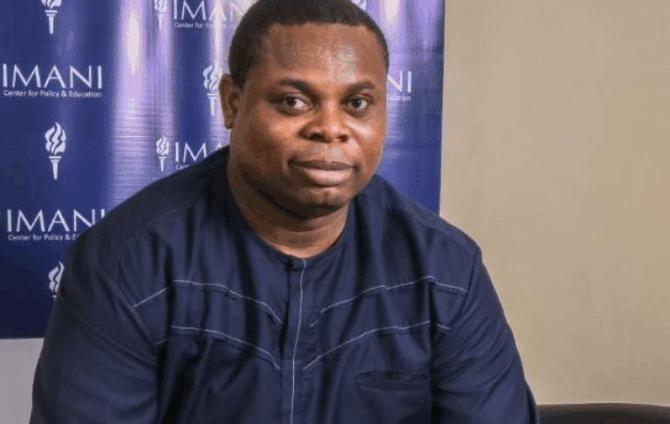
President of IMANI-Africa, Franklin Cudjoe, has commended the Ghana Gold Board (GoldBod), the Bank of Ghana (BoG), and the Ministry of Finance for applying lessons from previous initiatives to improve the implementation of the Gold-for-Oil and GoldBod programmes.
In a post on his social media account on Sunday, Mr. Cudjoe said it was evident that the current administration had made deliberate efforts to avoid repeating past mistakes associated with similar programmes.
“Having followed the Gold-for-Oil and GoldBod programmes, it is clear significant lessons have been learned by the current government in order not to repeat past mistakes,” he stated, adding that GoldBod, the Bank of Ghana, and the Finance Ministry “deserve enormous commendation.”
However, Mr. Cudjoe cautioned that the current structure of the GoldBod system makes transaction losses unavoidable, particularly due to currency conversion between dollars and cedis during gold purchases and sales.
According to him, while he understands why GoldBod may be reluctant to classify such losses on its books, given its intermediary role between the BoG and gold aggregators, these losses should still be recognised as transactional or trade losses.
“But they are losses—transactional or trade losses,” he stressed.
Mr. Cudjoe noted that the reported US$214 million loss in Gold-for-Reserves scheme is significant and warrants full disclosure to help the public understand how, when, and where the losses occurred, including details on buyers involved and the extent of losses per transaction.
He explained that transparency would serve two purposes by helping authorities minimise future losses and preventing potential manipulation or abuse of privileged information, commonly referred to as insider trading.
“I think the Bank of Ghana should provide answers to how the $214m loss happened and what they will do to minimise it in future transactions,” he said.
Mr. Cudjoe also expressed concern that the information about the losses only became public after it appeared in an International Monetary Fund (IMF) report.
“My worry though is that it had to take the IMF to receive this information and then publish it for us to be knocking our heads discussing what name to call it,” he remarked.
Latest Stories
-
GAFM demands retraction from GTEC over ‘unrecognised universities’ listing
1 minute -
Saltpond residents renew call for return of Founders’ Day celebrations
5 minutes -
Consumer spending records mixed performance in 5-months of 2026, but manufacturing activities improved – BoG
8 minutes -
Passenger arrivals at airport increased by 3.7% in 5 months of 2026
12 minutes -
NSMQ 2026: St. Augustine’s College reach third straight semifinal after seeing off Aburi Girls, St. John’s Grammar
16 minutes -
Re: Mahama backs crackdown on airport workers begging visitors for tips
16 minutes -
Photos: 6th Akwasidae Festival in the U celebrates Asante heritage and Ghanaian unity
17 minutes -
Ghana, India explore armwrestling collaboration as Golden Arms prepare for World Armwrestling Championship in New Delhi
26 minutes -
What Is Wrong With Us: We sign off on value for money before we have even defined it
37 minutes -
2026 U20 WWC: Black Princesses final squad for tournament revealed
38 minutes -
ECG liabilities hit GH¢82.31bn as SIGA flags persistent financial risks
40 minutes -
Why Dr Bawumia’s latest church-building gesture has shamed the bigots who are building walls of division
44 minutes -
Kenya airport staff strike delays thousands of passengers
51 minutes -
Youth Forum “Africa’s Freedom Is In Our Hands” in Accra to examine debt, colonial extraction and Africa’s future
55 minutes -
Jada Yankey bags six individual medals at 2026 Africa Aquatics Zone II Championships
56 minutes