

Audio By Carbonatix
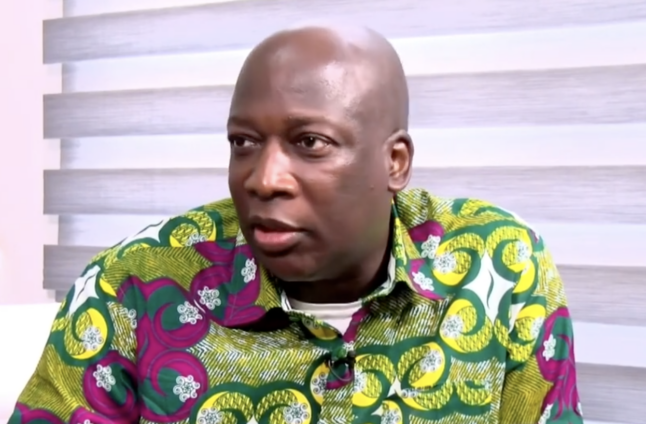
Business executive and independent consultant Yaw Nsarkoh has called for a decisive shift from short-term thinking, insisting that Ghana’s real test lies in how it prepares for the future.
“Well, the long term is where we will live, not the past, not the present,” he said on Joy News’ PM Express on Tuesday.
“The long term is where we will live, and the long term is where our progeny will live.”
The former Unilever Executive Vice President argued that national conversations must move beyond immediate political and economic pressures and focus on the kind of society being built for the next generation.
“More importantly, so if we are people who think very carefully about what society we would like those who come after us to live in, then we have to be focused on the long term, not just the short term.”
His comments come at a time of heightened public debate over economic challenges and policy direction. But Nsarkoh maintained that while present difficulties are real, they must not trap leaders into reactive decision-making.
“Yes, there are immediate pressures, but we must understand the past and the immediate pressures in order that we can create a better future for those who come after us.”
He stressed that understanding history and current constraints is necessary, but only as a foundation for shaping what lies ahead.
For Nsarkoh, the responsibility goes beyond policymakers. It extends to citizens and corporate leaders who shape institutions and influence public life.
“And I would think that should be the ambition of people who are serious about citizenship and about society.”
His remarks frame long-term thinking not as an abstract ideal but as a civic duty. He suggests that leadership without a generational horizon risks leaving future citizens to deal with the consequences of today’s short-sighted choices.
Throughout the interview, Nsarkoh returned to the idea that the future is not a distant concept but the space where today’s decisions will mature.
“The long term is where we will live,” he repeated, underscoring the urgency of planning beyond electoral cycles and quarterly results.
In a climate often dominated by immediate fixes and political expediency, his message was clear: the real measure of seriousness about nation-building lies in how boldly leaders and citizens commit to shaping the society their children will inherit.
Latest Stories
-
Women leaders’ wisdom and work deserve recognition – Mahama
5 minutes -
NRSA to refund surplus from auctioned vehicles of non-subscribers after deducting towing costs
6 minutes -
Ghana must integrate AI into mainstream education – DigiMarkt Project Board
7 minutes -
Armwrestling: Ghana unveils World Armwrestling Championship squad, appeals for travel support
7 minutes -
NPRA cites pensions college, data bank to justify 10-storey building project
13 minutes -
16 arrested as security team recovers guns, ammunition at Gbane mining site
13 minutes -
African group demands action on climate finance and adaptation ahead of COP 31
13 minutes -
CAF President announces 33% increase in annual subventions for the 54 CAF member associations
19 minutes -
We must account for every cedi entrusted to us as public officials – Ato Forson
53 minutes -
Supreme Court rejects Solomon Asamoah’s bid to overturn Sky Train ruling
1 hour -
Nungua Traditional Stool, WT Plastics partner to establish factory, create 1,400 jobs
1 hour -
Mahama describes Ghana’s religious diversity as its greatest treasure, defends fairness to all faiths
1 hour -
Police to arrest motorists who use pedestrian footbridges – ACP Obeng
1 hour -
KNUST announces revised reopening dates, lectures begin October 19
1 hour -
GoldBod, military engineers partner to reclaim galamsey-damaged Tano Nimri Forest
1 hour