

Audio By Carbonatix
Stakeholders in the energy and transport sectors have met in Accra to explore how electric mobility powered by clean energy can improve healthcare delivery while helping Ghana tackle climate change.
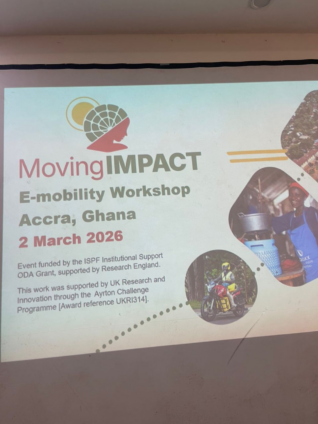
The inception workshop, organised by the Regional Centre for Energy and Environmental Sustainability at the University of Energy and Natural Resources in partnership with the MOVING IMPACT consortium, examined how solar-powered electric vehicles could support critical services such as health facilities, particularly in underserved communities.
The MOVING IMPACT project, funded by UK Research and Innovation, focuses on improving energy access across Sub-Saharan Africa by integrating renewable energy technologies with essential services. One key area under discussion is the use of flexible solar-powered charging systems to support electric mobility in sectors including healthcare and agriculture.
A lecturer in urban energy systems at the University of Leeds, Dr Sheridan Few, noted that reliable energy and transport systems are essential for effective healthcare delivery, especially in areas vulnerable to climate change.
“Access to reliable energy is closely linked to health outcomes. When health facilities have dependable power and transport systems, they are better able to deliver essential services, particularly in rural communities,” he said.
Project Manager at Imperial College London, Emma Fromant, explained that the initiative is also aimed at reducing emissions while strengthening essential services.
“We are looking at how clean energy solutions such as solar-powered charging infrastructure can support electric mobility in critical sectors like healthcare while also contributing to climate change mitigation,” she said.
Principal Investigator of the MOVING IMPACT project at Imperial College London, Adria Junyent-Ferré, highlighted the importance of integrating renewable energy into transport systems to make them more sustainable.
“By combining solar energy with electric mobility, we can reduce reliance on fossil fuels and create systems that are both environmentally sustainable and practical for essential services like health care,” he noted.
A lecturer at the University of Energy and Natural Resources, Dr Felix Amankwah Diawuo, stressed the potential benefits for Ghana’s health sector, particularly in rural areas where energy access remains a challenge.
“Integrating e-mobility with renewable energy systems can help improve access to health services, especially in remote areas where transportation and electricity remain unreliable,” he said.
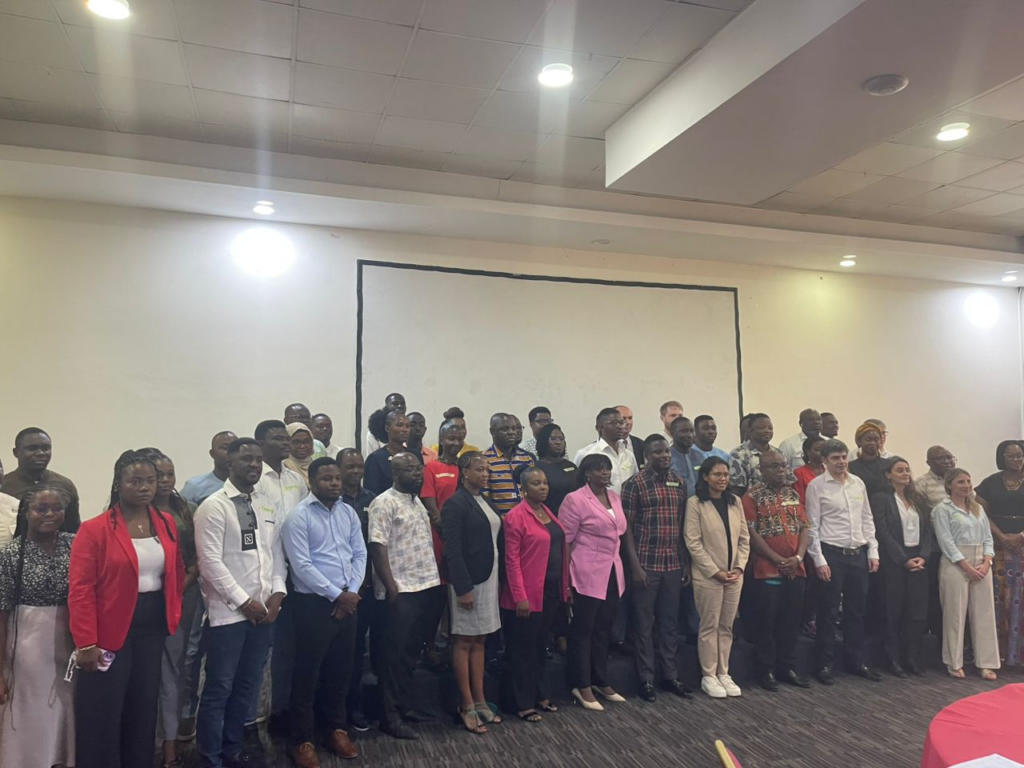
The workshop brought together researchers, policymakers, and industry stakeholders to examine policy frameworks, infrastructure needs, and business models required to support electric mobility in Ghana.
Participants also discussed how solar-powered charging stations located near health centres could improve emergency response and service delivery while reducing the carbon footprint of the health sector.
The MOVING IMPACT project is expected to provide recommendations to support the development of policies and investments that promote clean transport solutions while strengthening climate resilience in critical sectors such as healthcare.
Latest Stories
-
GNFS intensifies fire safety campaigns across Eastern Region
37 seconds -
Messi retires from international football
10 minutes -
One dead and more than a dozen missing after ‘terrifying’ flash flood hits Grand Canyon
10 minutes -
Full Report: SIGA releases 2025 State Ownership Report on performance of state entities
15 minutes -
Messi retires from international football
19 minutes -
Accra Institute of Technology holds 22nd graduation as 572 students graduate and PhD alumni surpass 100
20 minutes -
Metro Mass Transit returns to profit as revenue rises to GH¢161.85m
24 minutes -
Barcola joins Liverpool from PSG in £123m move
27 minutes -
GOIL profit rises to GH¢90.67m despite 9% revenue decline
30 minutes -
Aid system is broken, African Civil Society leaders say; 200 gather in Accra to build a new Africa-Led model
35 minutes -
TrustGH records more than 6,000 ‘scam’ numbers as TikTok emerges a major fraud channel in Accra, Ghana
35 minutes -
SIGA proposes liquidation of Ghana Railway Company and absorption of staff into GRDA
36 minutes -
FWSC boss steals show at JoySports Invitational with CEOs Penalty thriller
41 minutes -
Ghanaian dogs sweep top honours at West African August classic dog show
43 minutes -
YEA records GH¢110.4m surplus after turning around 2024 deficit – SIGA report
50 minutes