

Audio By Carbonatix
The Home Office has, for the first time, formally acknowledged that a woman who was abused by Mohamed Al Fayed was a victim of modern slavery, the BBC understands.
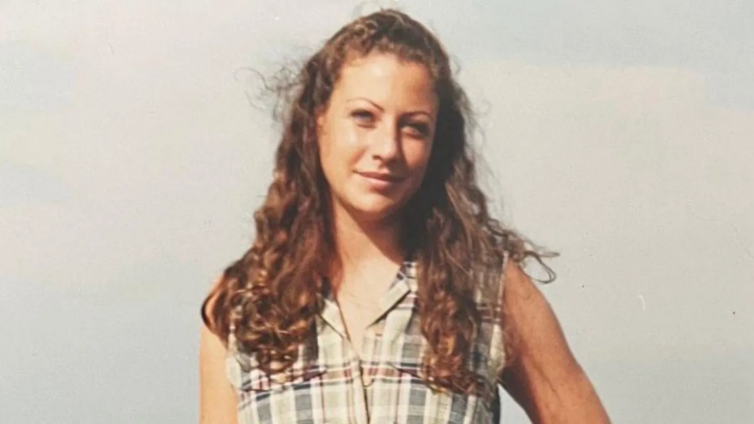
Rachael Louw, who has waived her right to anonymity, was trafficked and suffered abuse at the hands of the former Harrods owner and his brother Salah.
She says she feels "vindication" and "validation" that her case has been recognised by the British government.
The BBC has spoken to at least three other women who have made applications to the government's National Referral Mechanism (NRM) for modern slavery, and are expecting similar rulings soon.

Where an individual receives what's known as a positive "conclusive grounds" decision, they are considered to be a confirmed victim of modern slavery. Legal experts say such a decision lends credibility to witnesses in a criminal court and may affect how police investigate a case.
The Modern Slavery Act, which came into force in 2015, defines human trafficking as arranging or facilitating the travel of another person within a country or across borders for the purposes of that person being exploited.
Hundreds of women have accused Al Fayed, who owned the luxury Harrods store in London between 1985 and 2010, of rape, sexual assault and trafficking. Several women have made the same allegations against his brother Salah Fayed. Mohamed Al Fayed died in 2023, aged 94, having never faced any charges. Salah Fayed died in 2010.
'Vindication and validation'
For Louw, the decision comes as the first step in bringing to justice those whom she says facilitated the trafficking and abuse.
"It was an odd feeling to feel positive about an acknowledgement of something that was so intrinsically negative," she says. "But it is vindication and validation."
The NRM was introduced in 2009 as a way to identify potential victims of exploitation, human trafficking and modern slavery.
"First responders", including police officers, social workers and charity workers, can refer an individual to the NRM if they suspect such abuse has taken place.
The Home Office makes an initial so-called "reasonable grounds" decision if it believes a crime may have occurred before investigating further and making a final "conclusive grounds" decision.
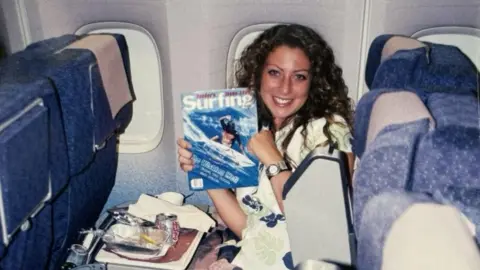
Louw's final determination says the Home Office found she had been subjected to sexual exploitation in the UK and in multiple areas of France over a three-year period.
The BBC understands at least five women linked to Al Fayed abuse have been granted positive "reasonable grounds" decisions, the first stage in the process, and are awaiting final decisions. These were all referred by the anti-slavery charity Unseen.
Louw says she wouldn't have been able to go through with the process without the support she received from the survivor campaign group No One Above, who then worked closely with Unseen to make the referral.
She reported her case to the Metropolitan Police in 2024 but felt the force never took the trafficking elements of the case seriously and should have referred her case to the NRM.
'Meaningful accountability'
A spokesperson for No One Above said: "The government has recognised what survivors and experts said from the start: this was trafficking. NOA campaigned tirelessly for this - because only a trafficking investigation can gather the evidence needed for meaningful accountability."
The Met Police said it had broadened its Al Fayed abuse investigation to include human trafficking. It is understood to have strengthened its team with officers with a background in modern slavery and will contact victims who it feels could be referred.
In March it announced that three women and a man had been interviewed under caution over offences including human trafficking for sexual exploitation and facilitating rape.
It said that 154 victims had come forward and reported allegations of sexual assault, rape, sexual exploitation and human trafficking.
The Home Office would not confirm details of any NRM referrals or specific cases.
A spokesperson said the home secretary had "committed to ensuring that the Home Office supports agencies to work effectively together, and that any systemic issues raised by survivors are given consideration".
Latest Stories
-
Government backing is no EPA permit – Authority warns GoldBod, ministries
4 minutes -
Real Madrid produce stunning late fightback to down Roma
16 minutes -
EPA orders immediate halt to unpermitted reclamation and dredging nationwide
24 minutes -
Afenyo-Markin’s lawsuit against Sammy Gyamfi takes focus away from development – Kpebu
39 minutes -
FWSC urges media to guard against misinformation in proposed IPEC transition
40 minutes -
MoMo Fest 2026: Shatta Wale to Rock Accra Stadium on October 17
42 minutes -
GTEC’s letter directing public universities to reopen by October 16 is unprofessional – GAUA
1 hour -
Suspect in viral video assaulting wife jailed for 3 months
1 hour -
GAUA insists strike will end only after Fair Wages addresses market premium issue
1 hour -
Kpemka seeks compensation as he sues BOST over alleged unlawful termination
1 hour -
GES asks applicants to check status of 2026 promotion applications on October 15
2 hours -
Kobe Boujee joins Olympics.com team for Dakar 2026 Youth Olympic Games
2 hours -
Slaty egret’s shifting nesting sites offer clues to changing ecosystems
2 hours -
First phase of arrears for promoted teachers to be paid on Friday – Haruna Iddrisu announces
2 hours -
Caveman Watches partners with Mfantsipim School for 150th anniversary
2 hours