

Audio By Carbonatix
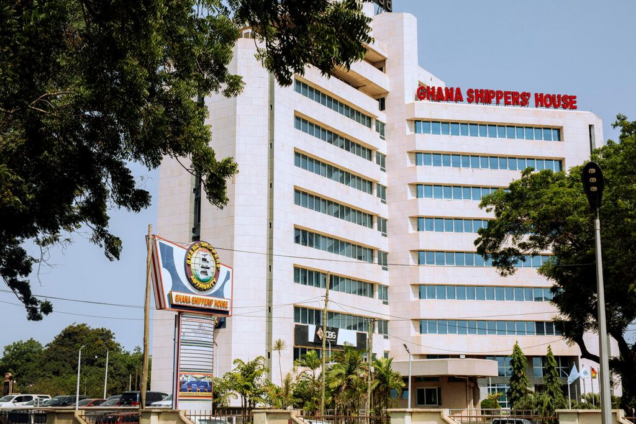
Over the last few days, an online portal, Ghana Today, published a post that the Ghana Shippers Authority (GSA) had procured some ICT equipment worth GH¢2 million through the restrictive tendering process.
This publication generated some public discussion about the real intentions of the publication and whether there were breaches of any law.
Here are the facts as we have found:
What was procured?
According to details available, the procurement involved over 100 pieces of ICT equipment to support the Authority’s operations.
These include laptops, tablets, HP LaserJet printers, access control systems, CCTV installations, uninterrupted power supply (UPS) units, and solar-powered inverter systems, among others.
The acquisition, the Authority explains, was not an ad-hoc decision but part of a broader plan dating back to 2024, with several of the needs inherited and already budgeted for.
Was there due process and competitive tendering?
To ensure transparency and value for money, the GSA was said to have shortlisted five experienced firms based on technical capacity, track record, and after-sales support.
These included Urban Tech Solutions Limited, Wumberic Group, Ruzyne Group Limited, Procure Charter Limited, and Venus Hills Company Limited.
The procurement process was not unilateral as the GSA received formal approval from the Public Procurement Authority (PPA), after which a restricted tendering process was conducted through the Ghana Electronic Procurement Platform.
Subsequently, the Authority sought and obtained final approval from the Central Tender Review Committee of the Ministry of Finance before awarding the contract.
Cost savings and final contract value
While the initial estimated cost of the procurement stood at GH¢2 million, an amount approved by the relevant regulatory bodies, the contract was ultimately awarded at a significantly reduced figure.
Urban Tech Solutions Limited, the winning bidder, supplied the full range of equipment at a renegotiated cost of GH¢1.4 million, inclusive of taxes.
This represents a savings of approximately GH¢600,000 to the state.
Why restricted tendering?
The use of restricted tendering is fully compliant with Ghana’s Public Procurement laws.
The method allows institutions to invite selected qualified firms where specialised expertise and reliability are critical.
In this case, limiting the process to vetted firms was intended to ensure efficiency, maintain quality standards, and guarantee timely delivery.
Putting the matter in perspective
The above clarification suggests that rather than overspending, the procurement process may have achieved notable cost savings while adhering to established legal and administrative procedures.
As public scrutiny over government spending intensifies, the case highlights the importance of context, due process, and verified information in shaping public discourse.
Latest Stories
-
PRESEC, Augusco and Accra Academy battle for 2026 NSMQ crown today
12 minutes -
GH₵12 cement price increase: GPHA clarifies attribution to port congestion
14 minutes -
Pythagoras won’t balance your books
16 minutes -
Pay me by Sept. 11 or face the court – Kow Essuman demands salary, benefits from Finance Minister
35 minutes -
Bawumia’s destiny lies in the hands of God; not you – Muslim Forum for Peace and Unity replies Rev. Owusu Bempah
37 minutes -
NPP NEC meets today to discuss and approve party’s position paper on Constitution Review proposals
43 minutes -
Today’s frontpages: Thursday, September 10, 2026
50 minutes -
Ghana Garden and Flower Show returns on Sept 11 with focus on green jobs, business and wellbeing
51 minutes -
Titus-Glover camp says Mustapha Salam wasn’t pressured to withdraw from National Organiser race
53 minutes -
Ghana’s acclaimed Christian – Muslim unity bigger than Owusu Bempah’s hatred and bigotry – Muslim Forum for Peace and Unity
55 minutes -
Karpowership lights up young minds on International Literacy Day
1 hour -
Banking sector NPLs fall to GH¢19.9bn as asset quality improves
1 hour -
Republic Bank Ghana, UPSA sign strategic MoU to advance professional development and industry-academia collaboration
1 hour -
MTN 30th Anniversary CEO Invitational Golf Tournament set to tee off at Achimota
1 hour -
Ghana woos Australian investors into critical minerals
1 hour