

Audio By Carbonatix
Economics professor Peter Quartey has backed government’s cautious approach to easing fuel prices, urging a measured response as global uncertainty deepens.
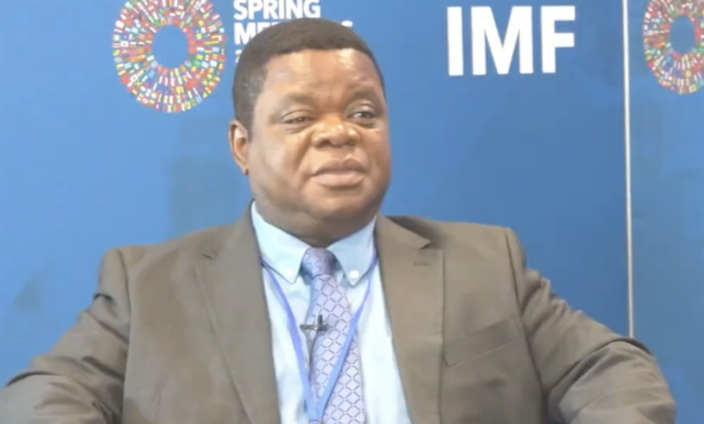
Speaking to George Wiafe on PM Express Business Edition on Joy News, on the sidelines of the IMF Spring Meetings, Prof. Quartey said the decision to adjust margins rather than cut taxes reflects the difficult trade-offs facing policymakers.
His comments come as the Presidency recently indicated it is intervening to stabilise petroleum prices in response to tensions in the Middle East, which have pushed global oil prices upward and raised concerns about the cost of living.
Asked whether government should have reduced taxes rather than margins, Prof Quartey acknowledged the pressure on consumers but warned against undermining fiscal plans.
“Inasmuch as I am also a consumer, and I would love to see lower prices at the pumps, I think these taxes have been earmarked already.
Government has budgeted with the taxes, and there are some critical expenditures that need to be incurred, so you need to strike a delicate balance.”
He argued that touching margins signals intent without destabilising revenue streams.
“And I believe I agree with the government that if you touch the margins, at least you show some commitment and get some reduction to consumers.”
Prof Quartey stressed that the global context makes aggressive interventions risky, especially given the unpredictable nature of the ongoing conflict driving price volatility.
“We also have to note that this is a war that nobody can predict the end.”
He cautioned against front-loading relief measures, noting that policymakers must retain flexibility as the situation evolves.
“So you in as much as you want to assist consumers, you cannot do everything today.”
For him, the path forward lies in gradual adjustments, guided by developments in global markets.
“You have to be gradual in the sense that as time progresses, you will know whether to even do more, or perhaps the margins you need to put them back.”
He emphasised the need for continuous review, suggesting that current relief measures should not be seen as permanent.
“That’s, for me, the way to go. It’s a gradual process, review over time and see whether you need to do more or you need to even take out what you have given to consumers.”
Prof Quartey’s position underscores the balancing act between cushioning households and maintaining fiscal stability, as Ghana navigates external shocks and domestic economic pressures.
Latest Stories
-
DVLA Deputy CEO adjudged overall best student at Ghana Armed Forces Staff College
43 minutes -
IMF urges tighter controls over GoldBod programme amid concerns over BoG losses
1 hour -
Appointments Committee to vet Zanetor Agyemang-Rawlings today
1 hour -
GMA strengthens competencies of seafarer examiners, instructors
1 hour -
‘Crime is crime’ – Mahama Ayariga cautions MPs against shielding politicians from prosecution
1 hour -
IMF cautions Ghana against early return to international capital markets
1 hour -
GoldBod ‘losses’ have helped stabilise Cedi, contain inflation – Mahama Ayariga
1 hour -
NDC formally notifies Speaker of James Agalga’s appointment as Majority Leader
1 hour -
DGPP’s GH¢21.89bn ‘loss’ is accounting adjustment, not cash expense – Sources
2 hours -
Tuba murder: Court adjourns case to September 28, as police prepare to forward docket to AG
2 hours -
Debt restructuring key to Ghana’s economic recovery – IMF
2 hours -
Let’s wait and see – Agalga refuses to take sides on extortion allegation as OSP probe begins
2 hours -
FDA intensifies drive to ensure iodised salt reaches consumers
2 hours -
HTU partners Praise Export to boost student training, employability
2 hours -
Samuel Abu Jinapor proposes independent body to fight galamsey
2 hours