

Audio By Carbonatix
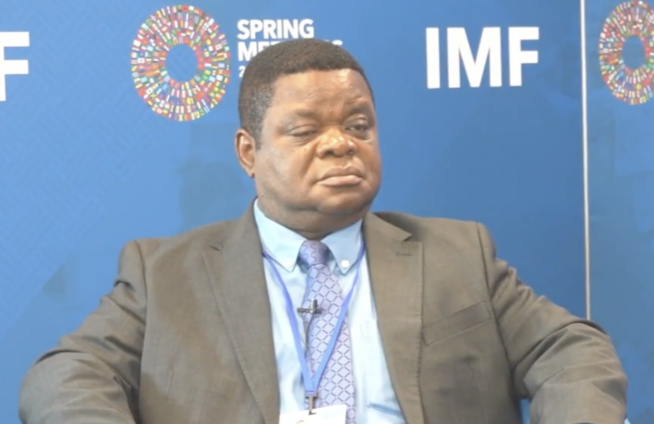
Economics professor Peter Quartey has backed government’s decision not to tamper with fuel taxes.
He is arguing that the current approach strikes a necessary balance between easing consumer pressure and protecting public finances.
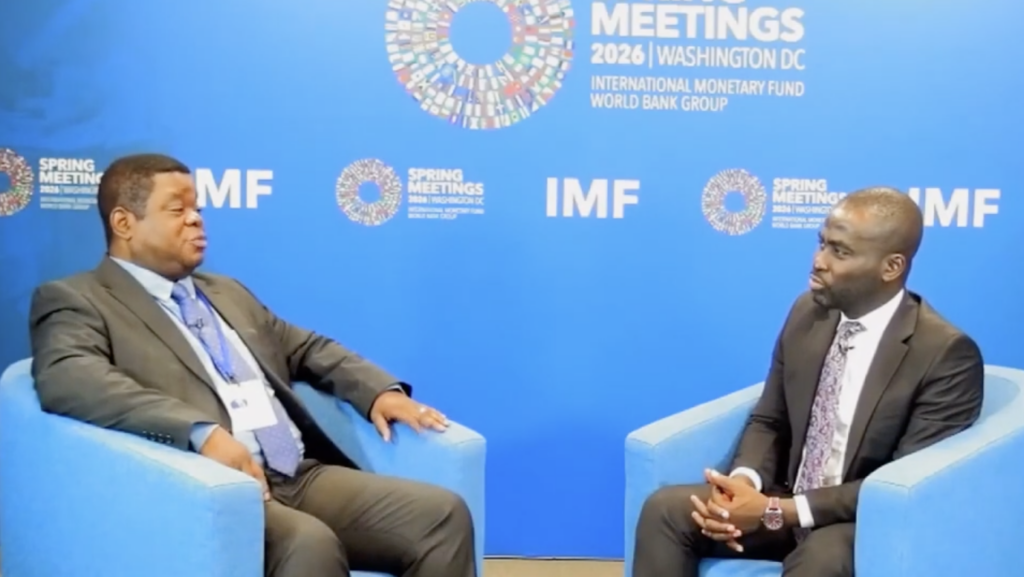
Speaking to George Wiafe on PM Express Business Edition on Joy News on the sidelines of the IMF Spring Meetings in Washington, D.C., Prof. Quartey acknowledged the burden of rising fuel prices but warned against cutting taxes already built into government spending plans.
“Inasmuch as I am also a consumer, and I would love to see lower prices at the pumps, I think these taxes have been earmarked already.
"Government has budgeted with the taxes, and there are some critical expenditures that need to be incurred, so you need to strike a delicate balance,” he said.
His comments come as the presidency recently indicated that authorities are intervening to stabilise petroleum prices in response to volatility driven by tensions in the Middle East.
The conflict has pushed global crude prices upward, raising concerns about the knock-on effects on transport costs, inflation, and household spending in Ghana.
Despite the pressure on consumers, Prof Quartey said government’s decision to adjust margins instead of taxes is a measured one.
“And I believe I agree with the government that if you touch the margins, at least you show some commitment and get some reduction to consumers,” he noted.
He cautioned that the uncertainty surrounding the geopolitical situation makes it risky to deploy all relief measures at once.
“We also have to note that this is a war that nobody can predict the end. So you in as much as you want to assist consumers, you cannot do everything today.”
According to him, a phased approach allows policymakers to respond more effectively as events unfold.
“You have to be gradual in the sense that as time progresses, you will know whether to even do more, or perhaps the margins you need to put them back,” he explained.
Prof Quartey stressed that flexibility is key, especially when global shocks remain unpredictable.
“That’s, for me, the way to go. It’s a gradual process, review over time and see whether you need to do more or you need to even take out what you have given to consumers.”
His remarks reinforce the broader policy dilemma facing government—balancing fiscal commitments with immediate public relief—as global uncertainties continue to shape domestic economic decisions.
Latest Stories
-
MamaCare CEO warns unresolved conflicts among health workers could undermine maternal and neonatal care
3 minutes -
Health professionals urged to translate medical knowledge into practice to save mothers
10 minutes -
Conflicts among care providers linked to maternal, neonatal deaths – Expert
2 hours -
GIS marks 10th TIME conference, champions improved teaching practices
2 hours -
BRICS Or Balance? What Ghana’s bid really means
2 hours -
GPRTU wants full TRAFFITECH-GH implementation to start in 2027
3 hours -
Mahama announces plans to import electric wheelchairs for PWDs
3 hours -
KGL U17 Colts 2026: Western beat Prempeh Elite Academy to set up final final with Greater Accra Region
3 hours -
Late Solanke strike salvages 10-man Spurs draw at Man United
3 hours -
Gender Ministry to monitor welfare of Nana Akua Addo’s children amid domestic violence case
3 hours -
Benedict Okyere Yeboah: Ghana’s football problem goes beyond sacking a coach
3 hours -
GPL 2026/27: Darkwah Wiafe’s winner sees All Blacks beat Kotoko
4 hours -
ITF World Tour : Patel Wins Boys’ Singles Final at J100 Accra
4 hours -
Ghana must pursue BRICS partnership if it brings economic benefits – Kpebu
4 hours -
Success and Wright Claims J100 Accra Girls’ Doubles Championship
4 hours