


Audio By Carbonatix
Liver cancer is emerging as one of Ghana’s most serious but under-recognized public health threats, quietly climbing to become the second most common cancer in the country, a new study by Gilma Research and Consulting has uncovered.
The report, referencing the Global Cancer Observatory (GLOBOCAN), showed that Ghana recorded 3,731 new liver cancer cases in recent estimates, ranking it just behind breast cancer, which had 5,026 cases. Cervical cancer, traditionally seen as one of the country’s leading threats, follows with 3,072 cases.
This pattern, according to the study, is quite unique and alarming as liver cancer does not rank among top cancers globally.
“While public attention has long focused on breast and cervical cancers, new data shows liver cancer is rapidly becoming a major cause for concern. Ghana’s situation, therefore, signals a unique and alarming public health challenge that requires urgent attention,” said Yussif Mohammed, lead researcher at Gilma Research and Consulting.
The rise in liver cancer cases, according to the report, is driven by a dangerous combination of chronic hepatitis B infection and widespread exposure to aflatoxins in food.
Chronic infection with Hepatitis B (HBV) is particularly widespread in Ghana, with about 9 percent of the population affected, one of the highest rates globally. The virus often progresses silently, damaging the liver over many years without noticeable symptoms until severe disease, including cancer, develops.
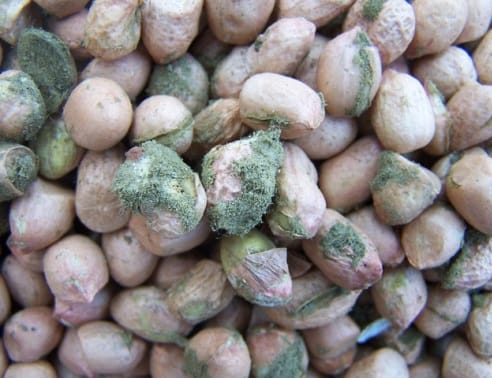
A second major driver is aflatoxin, a toxic substance produced by fungi that contaminate commonly consumed foods.
“The interaction between hepatitis B infection and aflatoxin exposure is particularly dangerous. When both risk factors are present, they significantly increase the likelihood of developing liver cancer, making the combined effect far more severe than either factor alone,”
Mr. Mohammed further explained.
Aflatoxins are frequently found in staple foods such as maize and groundnuts, which form a significant part of the Ghanaian diet. Studies indicate that more than 35 percent of these foods tested show contamination, often at levels significantly exceeding international safety standards.
Contrary to common assumptions, alcohol consumption is not the primary cause of Ghana’s liver cancer burden. The country’s average alcohol intake remains relatively low compared to many Western nations where liver cancer rates are lower.
Comparisons with countries such as Germany, the United Kingdom, and the United States where alcohol consumption is significantly higher show that alcohol alone cannot explain Ghana’s high liver cancer rates.
To address the crisis, experts are calling for stronger interventions in both agriculture and healthcare. On the agricultural front, the use of bio-control methods that introduce non-toxic fungi into farms has been shown to reduce aflatoxin contamination by up to 90 percent.
The reported added: “Improved post-harvest handling practices, including proper drying; the use of tarpaulins and solar dryers, and better storage systems can significantly reduce contamination levels.
Strengthening enforcement of food safety standards, including routine testing and compliance measures is also seen as critical.”
On the health side, expanding hepatitis B vaccination remains the most effective long-term solution. Implementing universal birth-dose vaccination, alongside wider screening and treatment programs, could dramatically reduce future liver cancer cases.
The report further recommended stronger political commitment, sustained funding, and effective enforcement of the National Aflatoxin Control Policy to translate policy into meaningful impact and curb the growing liver cancer threat.
Latest Stories
-
Ghana’s new wealth window
4 minutes -
Thinking beyond risk key to building resilient institutions – Stanbic Bank executive
13 minutes -
John Boadu leads NPP National Chairman race with 27% — Global InfoAnalytics
13 minutes -
AMMREN calls for renewed investment in science, community action to fight mosquito-borne diseases
13 minutes -
Eastern Regional Coordinating Council, UNFPA train 120 parents on adolescent sexual and reproductive health
17 minutes -
Africa CDC invites Annoh-Dompreh to join Continental Immunisation Advisory Council
20 minutes -
MTN Ghana urges businesses to embed sustainability in everyday operations
22 minutes -
2026/27 GPL prize money increased to GHS3m – GFA boss Kurt Okraku
22 minutes -
Mushroom killer must stay in jail forever for ‘truly dreadful’ crime, appeal court told
23 minutes -
‘You want us to do what ministries failed to do in 70 years?’ — Goosie Tanoh defends pace of 24-Hour Economy
24 minutes -
MTN Ghana urges businesses to make sustainability a way of life, not just compliance
25 minutes -
George Geel Kutortse
31 minutes -
Ex-Zambian minister killed in security raid on opposition
31 minutes -
AG cannot represent Chief Justice in vacation trial case — Frank Davies questions AG’s role
32 minutes -
Recovery is possible — NACOC Director-General urges youth battling substance abuse to seek help
44 minutes