

Audio By Carbonatix
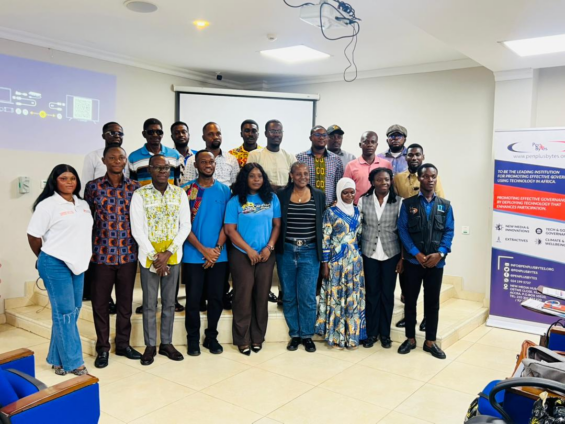
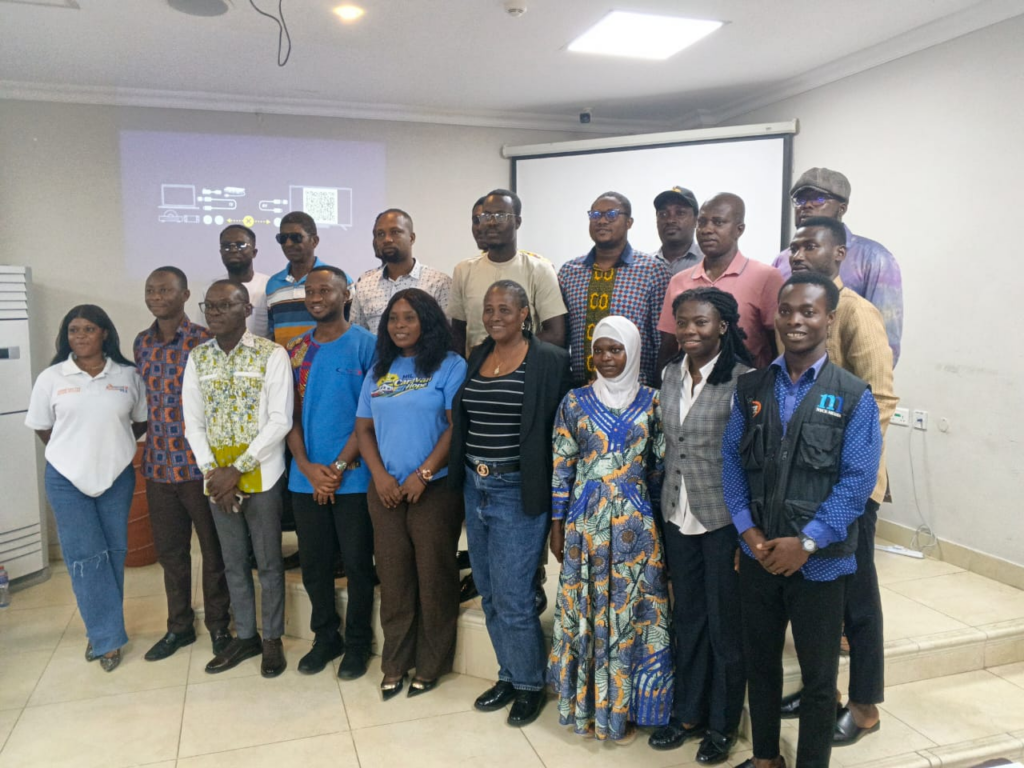
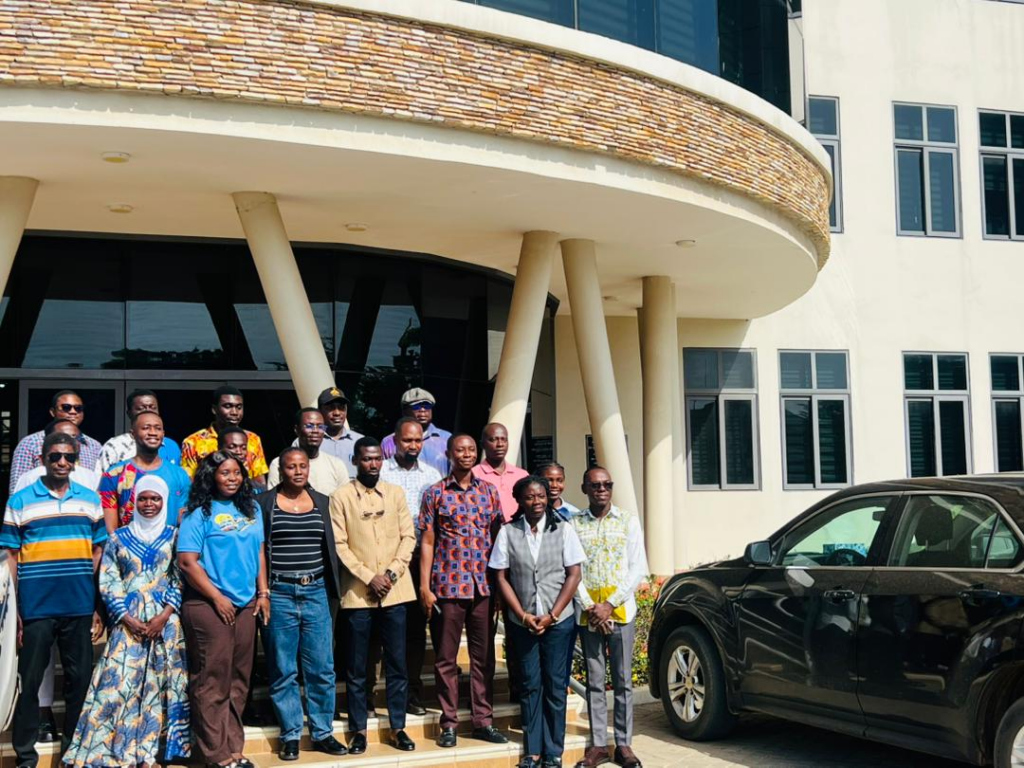
The Centre for Communication Education Research and Professional Development at the School of Communication and Media Studies, University of Education, Winneba, in collaboration with Penplusbytes, has held a capacity-building workshop for media practitioners to address the growing threat of misinformation, AI-generated fake news, and ethical challenges in journalism.
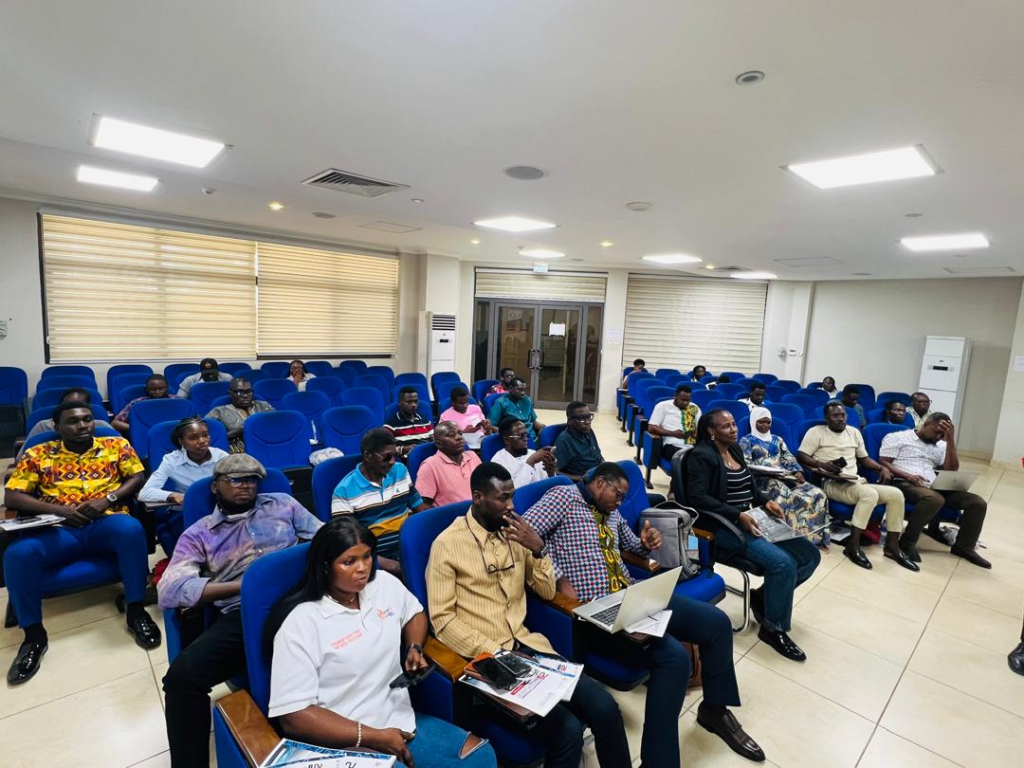
The workshop, which took place at 9:00 am at Seminar Room 3 of the Student Centre on UEW’s North Campus, brought together journalists and media professionals for practical training in media and information literacy as artificial intelligence continues to reshape the global information ecosystem.
Held under the theme, “Tackling information disorder, AI-Driven Fake News, and Ethical Journalism through Media and Information Literacy skills,” the programme focused on strengthening the capacity of media practitioners to identify, confront and responsibly report in an era where digital manipulation and misinformation are becoming increasingly sophisticated.
The event came at a critical time when concerns over misinformation and disinformation are rising in Ghana and globally, particularly with the rapid expansion of AI tools capable of generating deceptive content. For Ghana’s media landscape, where public trust remains central to democratic accountability, the workshop addressed the urgent need for journalists to sharpen fact-checking skills and uphold ethical standards.
Dean of the School of Communication and Media Studies, Prof Albert A. Wornyo, hosted the event, reinforcing the role of academia in shaping responsible journalism and strengthening professional media development.
Facilitating the workshop were Prof Gifty Appiah-Adjei, Head of Journalism and Media Studies, Emmanuel Koranteng Asomani, Programme Manager at Penplusbytes and Rebecca Avusu, Project Coordinator at Penplusbytes. Their sessions focused on ethical reporting, media literacy, verification tools and practical approaches to combating information disorder in both traditional and digital journalism.
The collaboration highlighted increasing efforts by academic institutions and media development organisations to respond to broader national and global concerns about fake news, technological disruption and declining trust in information sources.
As Ghana’s media industry navigates the challenges posed by artificial intelligence and digital transformation, the workshop served as a timely platform to equip practitioners with the knowledge and professional tools required to protect credibility, accuracy and ethical journalism.
Latest Stories
-
Trump says he is considering firing US ambassador to Greece
27 minutes -
Man City bananas ‘brought fun back’, says Varadi
31 minutes -
Meta releases Muse Wonder AI models to challenge Anthropic and OpenAI
40 minutes -
Daily Insight for CEOs: The CEO as Chief Decision Maker
41 minutes -
Burnham had formal meeting with Man City chair while mayor
48 minutes -
Is Ghana producing too many lawyers? What is the best lawyer-to-citizen ratio?
50 minutes -
NDC sinking Ghana’s democracy with Emelia Agbenyo’s appointment – Miracles Aboagye
59 minutes -
Seedorf back in football as Corinthians head coach
1 hour -
Hincapié and Zubimendi injured in post-match training session
1 hour -
Fridges in French supermarkets hit by cyberattack
2 hours -
Qantas flight grounded after bedbug outbreak
2 hours -
Reality Zone with Vicky Wireko: International Day of the Girl, shaping today’s girl for tomorrow’s future – ZONTA Clubs lead the way
2 hours -
Global health must be led by countries, not designed for them – Mintah Akandoh
3 hours -
Mahama honoured at 2026 World Health Summit in Berlin for global health leadership
3 hours -
Breast cancer is not a death sentence – Besease Kontire Obaapanin, Magmina Foundation lead awareness campaign
3 hours